
Reviewed · BANTEAY SREI TOURS
2-Day Angkor Wat With Small, Big Circuit & Banteay Srei Tour
Angkor Wat is only the beginning here. This private two-day tour links the famous temple with Ta Prohm’s tree roots, Bayon’s smiling faces, the pink stonework of Banteay Srei, and quieter roads through rice fields. Guides such as Bunhak and Chhay are praised for clear explanations, good photo stops, and routes that avoid some of the biggest crowds.
I like the private format, since you can adjust the pace and spend more time at the temples that catch your eye. I also like the small comforts: an air-conditioned vehicle, cold drinking water, and cool wet towels waiting after temple walks. The main drawback is the long, early schedule. You will pay $136 per person, then add the $62 temple pass and your meals, so this is not a budget day trip.
In This Review
- Key points to know before booking
- Two days that make Angkor easier to understand
- Day 1: Angkor Wat, Ta Prohm, and the royal city
- Day 2: Sunrise, the Big Circle, and Banteay Srei
- Banteay Srei and the road through rural Cambodia
- What the private guide changes
- Transport, towels, and the small details
- Is $136 a fair price?
- Who should choose this Angkor tour?
- Should you book it?
- FAQ
- How long is the tour?
- What temples are included?
- Is sunrise at Angkor Wat included?
- Where do I see the sunset?
- Is the tour private?
- What language does the guide speak?
- Is the temple pass included?
- Are meals included?
- What is included in the transport and service?
Key points to know before booking
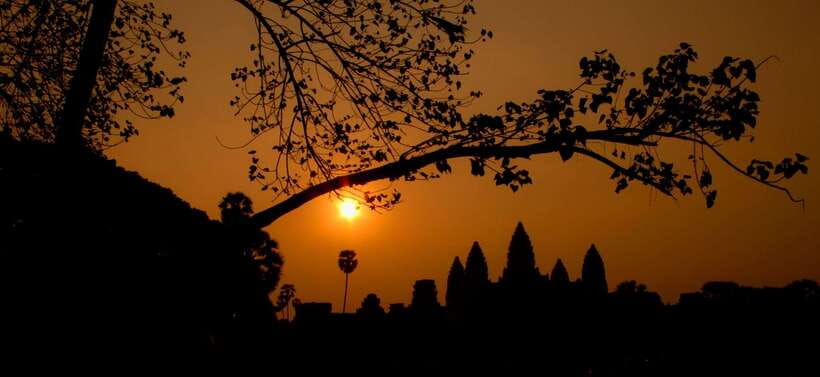
- Angkor Wat at sunrise and sunset: The tour gives you two classic light shows, with sunrise on Day 2 and sunset from Phnom Bakheng on Day 1.
- A full sweep of Angkor: You visit the Small Circle, Big Circle, Angkor Thom, Banteay Srei, Banteay Samre, and Banteay Kdei.
- Private guide and vehicle: Your English-speaking guide can shape the pace around your interests, while air-conditioned transport handles the long gaps between temples.
- Strong guide service: Bunhak is noted for balancing history, mythology, religion, and Cambodian culture. Chhay is also praised for temple explanations and crowd-aware routing.
- Small practical comforts: Cold water and refreshing face towels are provided at stops, a welcome touch in Cambodia’s heat.
- Extra costs matter: The $136 tour price does not include food or the temple pass, which costs $62 for a two to three-day pass.
Two days that make Angkor easier to understand
Angkor can feel like a pile of impressive ruins if you see it too quickly. This tour gives you two days, a private guide, and a sensible route through the main temples and outlying sites.
That extra time matters. You can see the grand centerpiece, Angkor Wat, then compare it with temples built for different purposes and in different styles. You also get time for Angkor Thom, the jungle-covered Ta Prohm, and Banteay Srei, whose fine pink sandstone carvings look very different from the gray stone of many central temples.
The tour is private, so you are not tied to a large group’s pace. You still need to be ready for early starts, temple steps, heat, and plenty of walking. The vehicle reduces the strain between sites, but this is an active two-day outing rather than a gentle sightseeing ride.
More Banteay Srei visits:
- Full-Day Banteay Srei & 4 Temples – Grand Tours Join-in Tour
5.0 · 1,155 reviews - Siem Reap Tour: Angkor Wat Sunrise, Bayon, Ta Prohm, Banteay Srei
5.0 · 931 reviews - 2-Day Angkor Wat With Small, Big Circuit and Banteay Srei Tour
5.0 · 545 reviews
Day 1: Angkor Wat, Ta Prohm, and the royal city
Your first morning begins with pickup from your Siem Reap hotel or accommodation. Give the operator your address, hotel name, phone number, and website, then wait in the lobby about 10 minutes before pickup.
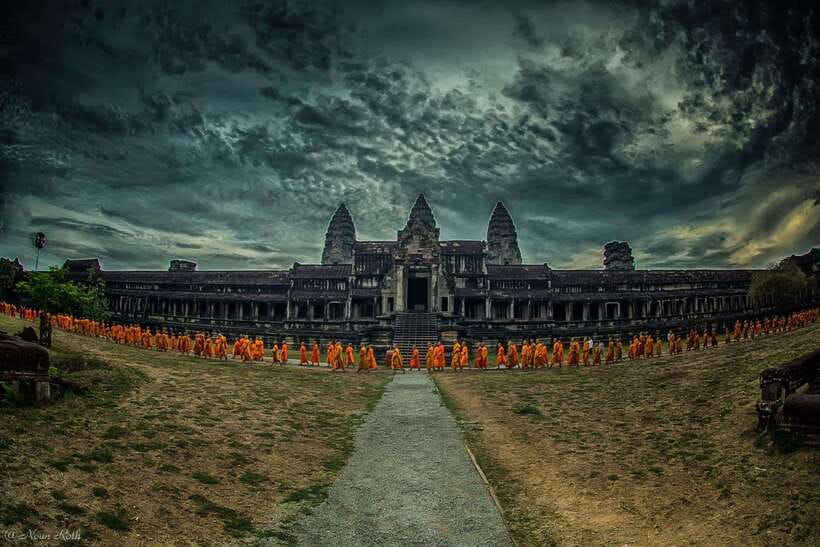
The first major stop is Angkor Wat, the enormous 12th-century temple complex. Set aside several hours here. A good guide can help you read the temple as more than a grand photograph: its galleries, towers, courtyards, and religious imagery make more sense when someone explains their Hindu foundations and later Buddhist use.
The scale can be hard to grasp at first. Angkor Wat is not one small sanctuary but a huge complex with long approaches and repeated layers of walls, galleries, and courtyards. Wear shoes suitable for uneven ground, and avoid spending all your energy on the first walk from the entrance.
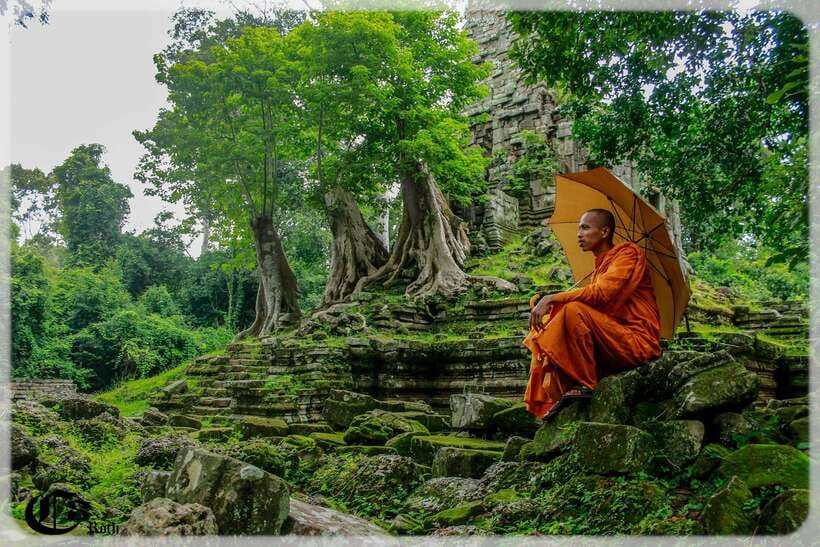
After Angkor Wat, the route continues around the Small Circle. The best-known stop is Ta Prohm, the temple associated with the film Tomb Raider. Its appeal comes from the uneasy meeting of stone and forest, with giant roots curling over walls and doorways.
Ta Prohm is photogenic, but it can also be one of the busiest stops. The private format helps because your guide can suggest where to pause and how to move through the site without simply following the largest cluster of people. Still, do not expect solitude at the famous tree-root views.
Lunch comes at a local restaurant, with food purchased separately. This arrangement gives you flexibility, but remember that meals are not part of the tour price. Ask your guide about the stop and keep some cash available for food and drinks.
The afternoon brings Ta Nei, a smaller temple that adds a quieter note after Ta Prohm. It is followed by Angkor Thom, the walled royal city. Entering through the Victory or Death Gate gives you a different approach from the better-known South Gate, and the gate choice can help shape the day’s route.
Inside Angkor Thom, Bayon is the big attraction. Its towers carry the famous smiling faces, creating a temple that feels more enclosed and mysterious than the open galleries of Angkor Wat. There are 49 towers associated with the site, and your guide can point out how the faces appear from different angles as you move through the temple.
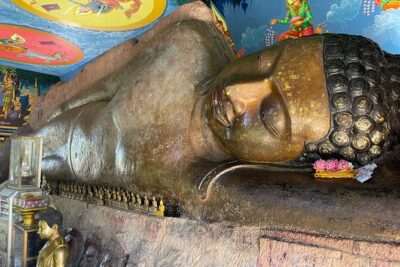
Nearby Baphoun offers another change in scale and shape. Behind it, you can see the immense Reclining Buddha. The royal city then opens into a series of important sites and walls, including the Royal Enclosure Wall, Phimeanakas, the Elephant Terrace, the Leper King Terrace, and Palilay.
This part of the day rewards attention to detail. The terraces and walls are not just leftover stones beside a road. They help show how Angkor Thom functioned as a planned royal center, with ceremonial spaces and religious buildings grouped within the city.
By now, you will likely be warm and tired. That is the tradeoff of fitting so much into one day. The guide can adjust the pace in a private group, but you should not expect to examine every carving at every stop in depth.
The day ends at Phnom Bakheng for sunset. The hill gives you a high viewpoint, though the exact quality of the sunset depends on weather and the number of people present. It is a fitting finish after a day spent moving through temples, but it also makes Day 1 a long one.
Day 2: Sunrise, the Big Circle, and Banteay Srei
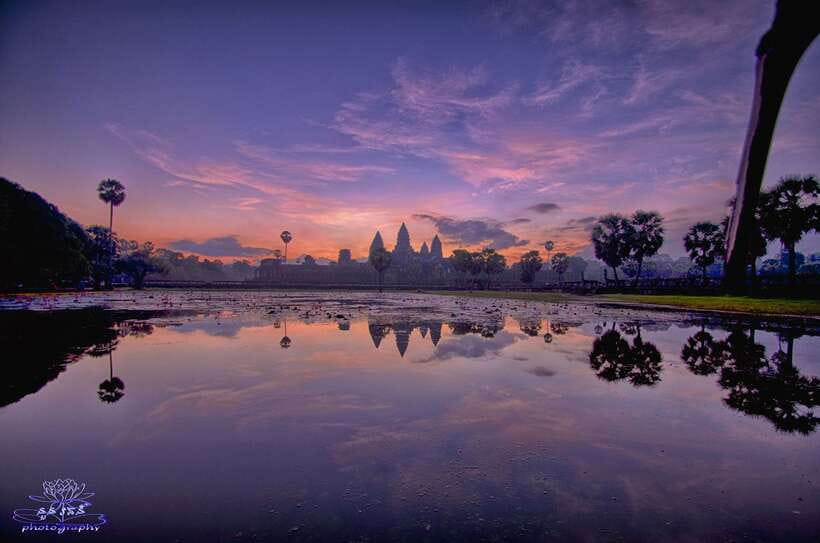
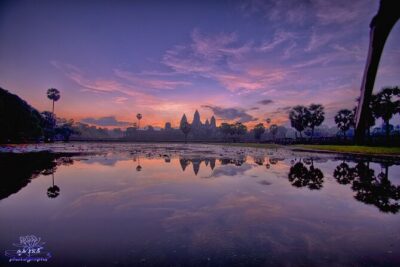
Day 2 starts early for sunrise at Angkor Wat. You return to the same great temple in a different mood, when the changing light can outline the towers and reflect across the water.
Sunrise is one of the tour’s strongest features, but it requires a serious wake-up call. Afterward, you return to your hotel for breakfast or eat at a restaurant at your own expense. This break is useful because it lets you reset before the second full temple circuit.
The Big Circle begins with Preah Khan. Its long galleries and layered plan make it a rewarding site for a guided visit. It feels different from Angkor Wat because the experience is less about one overwhelming view and more about moving through connected spaces.
Next comes Neak Pean, a small island temple reached by a causeway. Its setting around water gives it a calmer look than the stone-heavy central temples. The stop is shorter in scale, but it helps break up the morning.
Ta Som follows, bringing you back to the theme of trees reclaiming old stone. It is smaller than Ta Prohm, which can make its details easier to appreciate. The tour highlights Ta Som’s connection with ancient religious traditions, and the guide can place the temple within the wider Angkor story.
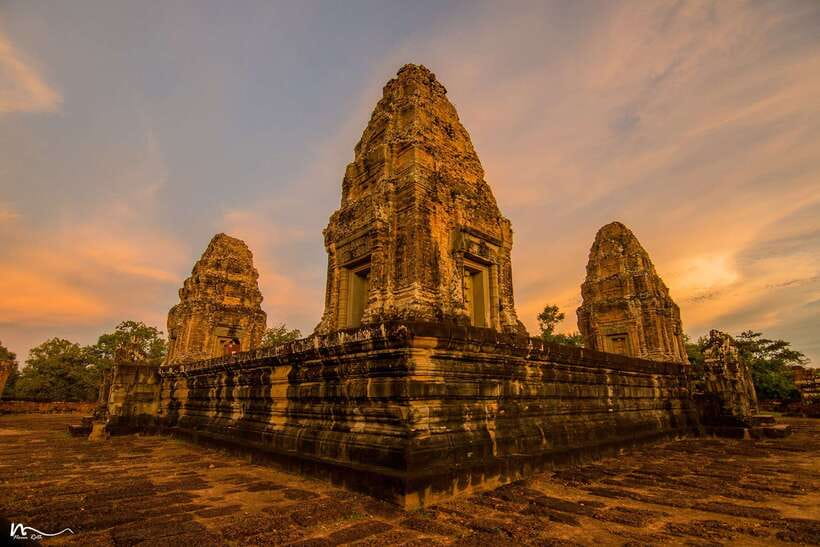
East Mebon and Pre Rup add a more formal, brick-and-stone temple style to the day. Their structures feel more open and vertical, with raised levels that give you a sense of how temple design changed across the Angkor period.
Lunch is again separate. You stop at a local restaurant before continuing farther from the central temple zone. Plan for food, drinks, and the possibility that prices may vary by restaurant, since none of this is covered by the tour fee.
Banteay Srei and the road through rural Cambodia
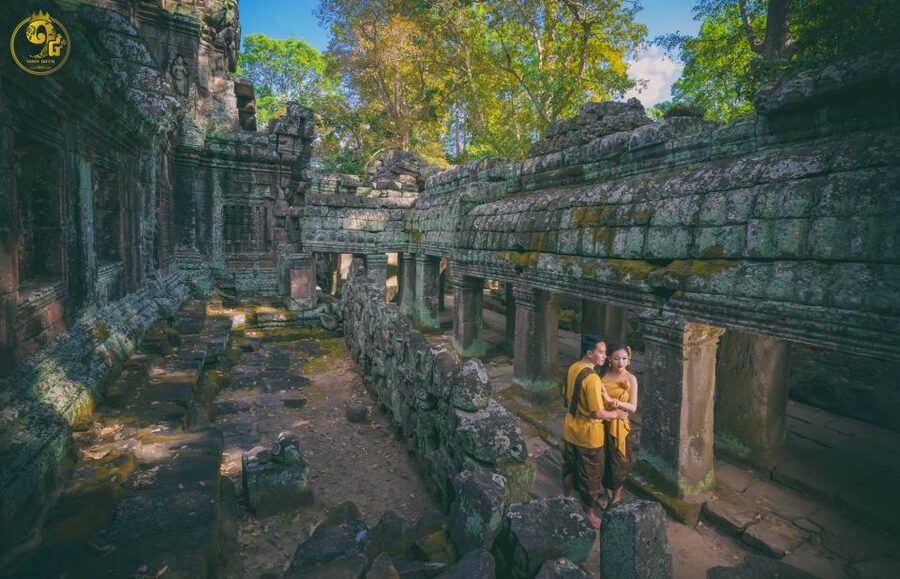
The drive to Banteay Srei takes you beyond the busiest central group of temples. The route passes villages and rice fields, giving the second day a broader feel than a temple-to-temple circuit alone.
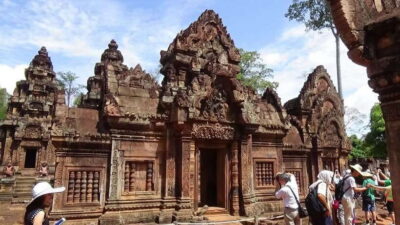
Banteay Srei is often called the Ladies Temple. Its pink sandstone and finely carved decoration make it one of the most distinctive stops in the Angkor area. The temple is smaller than Angkor Wat, but the carving detail rewards a slower look.
This is where a guide adds real value. Without context, you may simply see delicate figures and floral patterns. With an explanation of the Hindu imagery and the temple’s dedication to Hindu goddesses, the carvings have a clearer place within Cambodian religious art.
Banteay Srei is also one of the reasons to choose a two-day tour rather than only visiting the central temples. It lies farther out, and combining it with the main Angkor sights would make for an even more rushed day. Here, you get a separate morning and a private vehicle for the longer road journey.
Banteay Samre comes next. Its structure recalls some of the larger Angkor temples but usually feels less overwhelming than Angkor Wat or Bayon. It gives you another chance to compare temple layouts, stonework, and religious design without repeating the same experience.
The final stop listed is Banteay Kdei. Its ruined galleries and open courtyards provide a quieter finish to the tour. After two days of major monuments, this site can feel like a gentler last chapter, though your energy will depend on how fully you tackled the sunrise and the first day’s long circuit.
More Angkor temple itineraries:
- Angkor Wat Sunrise or Sunset Tour with Guide from Siem Reap
5.0 · 12,109 reviews - Siem Reap: Angkor Wat: Small-Group Sunrise or Sunset Tour
5.0 · 9,444 reviews - Siem Reap: Angkor Wat 2-Day Tour with Sunrise and Sunset
4.9 · 4,429 reviews - Siem Reap: Full-Day Angkor Wat Guided Tour with Sunset
4.9 · 3,803 reviews
What the private guide changes
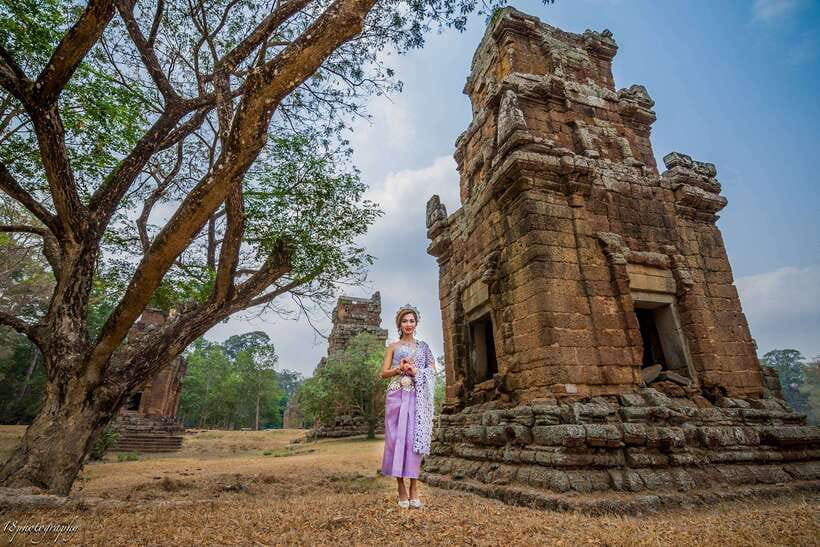
A private guide is not just a person who names the temples. The best use of the arrangement is to tell your guide what you care about early in the trip.
If you want architecture, ask for attention to temple plans, galleries, towers, and construction details. If you prefer religion and mythology, guides such as Bunhak have been praised for balancing those subjects with Cambodian culture and history. If photography matters most, say so. Bunhak is particularly noted for finding useful picture spots.
The route can also be handled more intelligently in a private group. One guide, Chhay, is praised for avoiding major streams of people and arranging temple entries and exits so you do not always retrace the same path to the vehicle. That can save time and reduce unnecessary walking.
You should not assume a particular guide will be assigned. Bunhak and Chhay are names associated with the service, but availability can change. The important point is to expect an English-speaking licensed guide and to use the private format actively rather than simply following along.
Transport, towels, and the small details
The tour includes private air-conditioned transportation, hotel pickup, and drop-off. That matters in Siem Reap, where the distance between temple groups can add up quickly. You will still walk at each site, but you can cool down between stops instead of spending the whole day exposed to the heat.
Cold water and face towels are included. The wet towels may sound minor before you go, but after a hot walk through stone courtyards, they are one of the most useful touches in the package.
The vehicle has also received praise for comfort, and the driver is part of the experience. Drivers named Sreang and That are specifically praised for attentive service. Do not overlook this role. A careful driver who places the vehicle conveniently and keeps the day moving makes a big difference when the itinerary covers this many sites.
Is $136 a fair price?
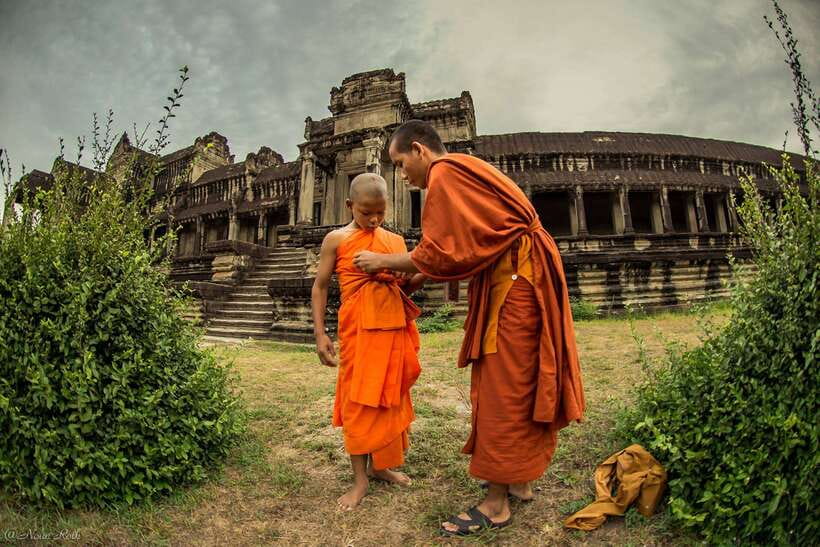
The tour costs $136 per person, not including the temple pass or meals. The pass costs $62 per person for two or three days, while children under 12 enter free. That brings the adult total to $198 before food and drinks.
At first glance, that is much more than hiring transport for one day. The value comes from the two full days, private air-conditioned transport, hotel pickup and drop-off, an English-speaking guide, water, and towels. You are also paying for a route that includes both the core temples and farther sites such as Banteay Srei.
The price makes the most sense for couples, families, or small private groups that want a guide to themselves. Solo visitors may find the total harder to justify, especially once the pass and meals are added. Still, the flexible pacing and amount covered can be worthwhile if you want the temples explained rather than simply photographed.
Free cancellation up to 24 hours before the start and the option to reserve now and pay later add useful flexibility. Starting times vary, so check availability before booking, especially because the sunrise portion requires an early start.
Who should choose this Angkor tour?
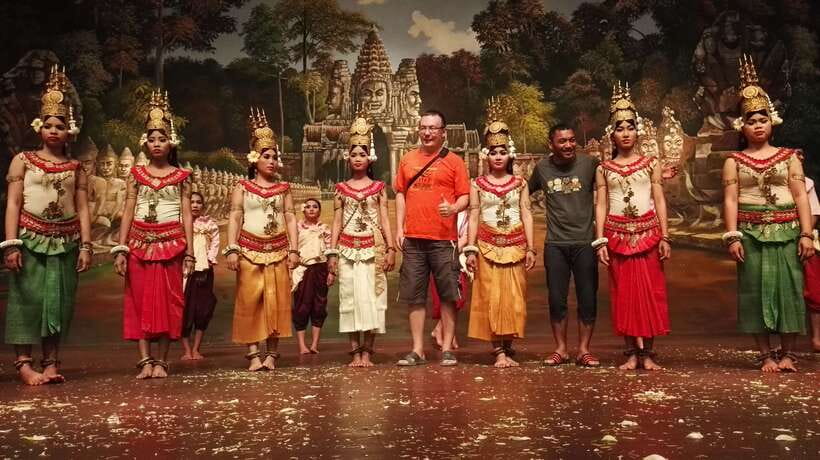
I would choose this tour if you want the major Angkor sights plus Banteay Srei without arranging separate transport, guide service, and timing yourself. It suits first-time visitors who want cultural and religious context, as well as photographers who value help finding good angles.
It also suits families and small groups. A private guide can slow down for children, move faster when needed, or adjust the balance between major temples and smaller sites.
I would be cautious if you dislike early mornings, long sightseeing days, or walking in hot weather. You might prefer a shorter, more relaxed plan with fewer temples. This two-day route is generous, but it is not light.
Should you book it?
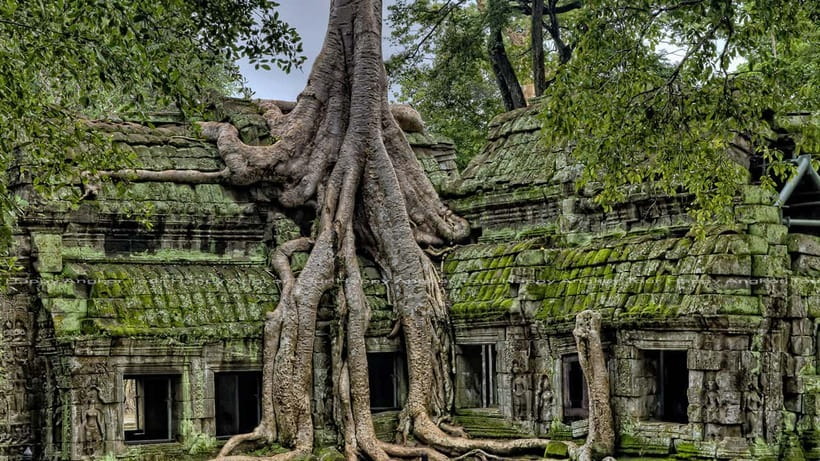
Book this tour if you want a well-filled Angkor visit with a private guide, comfortable transport, sunrise, sunset, and a strong mix of famous and less central temples. The most useful strengths are the adaptable pace, the guides’ focus on history and culture, and the practical service of cold water and towels.
Before booking, budget for the $62 temple pass and two days of meals. Also confirm your accommodation details and accept that the itinerary is demanding. For an active first visit to Angkor, the coverage and private attention make the $136 tour price reasonable.
FAQ
How long is the tour?
The tour lasts two days.
What temples are included?
The route includes Angkor Wat, Ta Prohm, Ta Nei, Angkor Thom, Bayon, Baphoun, Phnom Bakheng, Preah Khan, Neak Pean, Ta Som, East Mebon, Pre Rup, Banteay Srei, Banteay Samre, and Banteay Kdei.
Is sunrise at Angkor Wat included?
Yes. Day 2 begins with sunrise at Angkor Wat.
Where do I see the sunset?
The tour finishes Day 1 with sunset from Phnom Bakheng.
Is the tour private?
Yes. It is arranged as a private group with a private guide and private transportation.
What language does the guide speak?
The live guide speaks English.
Is the temple pass included?
No. You need to purchase your own pass. A two to three-day pass costs $62 per person, and children under 12 enter free.
Are meals included?
No. Lunch and breakfast are available for purchase at local restaurants, but food is not included in the tour price.
What is included in the transport and service?
Hotel pickup and drop-off, private air-conditioned transportation, an English-speaking guide, cool drinking water, and face towels are included.
More 2-Day Experiences in Siem Reap
- Angkor 2-Day Sunset & Sunrise Small-Group Tour
5.0 · 2,567 reviews - 2 Days Exclusive Temple Highlights with Sunset and Sunrise Tour
5.0 · 1,157 reviews - Siem Reap: Angkor Sunrise 1- or 2-Day Guided Temples Tour
4.9 · 1,132 reviews - 2 Days Guided Historical Tour in Angkor
5.0 · 855 reviews
Fresh reviews from around Siem Reap
- Full-Day Tour Preah Vihea & Koh Ker Temple 3.7 · 3 reviews
- Savor the Countryside: Tours with Authentic Cooking Classes” 5.0 · 3 reviews
- Guided Private Tuk Tuk Tour Angkor Wat and Small Circle and Five Extras 5.0 · 3 reviews
- Angkor Wat Sunrise TukTuk Tour 5.0 · 3 reviews
- Angkor Grand Circuit Tour & Banteay Srei 5.0 · 3 reviews
- Siem Reap Temple Tour 2-Day with Sunrise/Sunset 3.7 · 3 reviews
- Bangkok to Angkor Wat 2 Days 1 Night by Flight 4.5 · 3 reviews
- Kompong Pluk Tour 5.0 · 3 reviews
Banteay Srei Tours, compared.
Full-Day Banteay Srei & 4 Temples – Grand Tours Join-in Tour
Read our review →
2-Day Angkor Wat With Small, Big Circuit and Banteay Srei Tour
Read our review →
3-Days Discovery Of Angkor: Waterfalls,Floating Village and Banteay Srei temple
Read our review →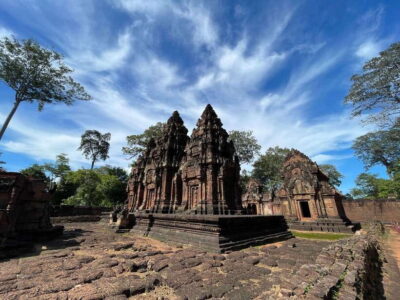
Browse the lists this tour appears in