
Reviewed · ANGKOR TEMPLE TOURS
Siem Reap: Angkor Wat 2day Big and Small Circuit Guided Tour
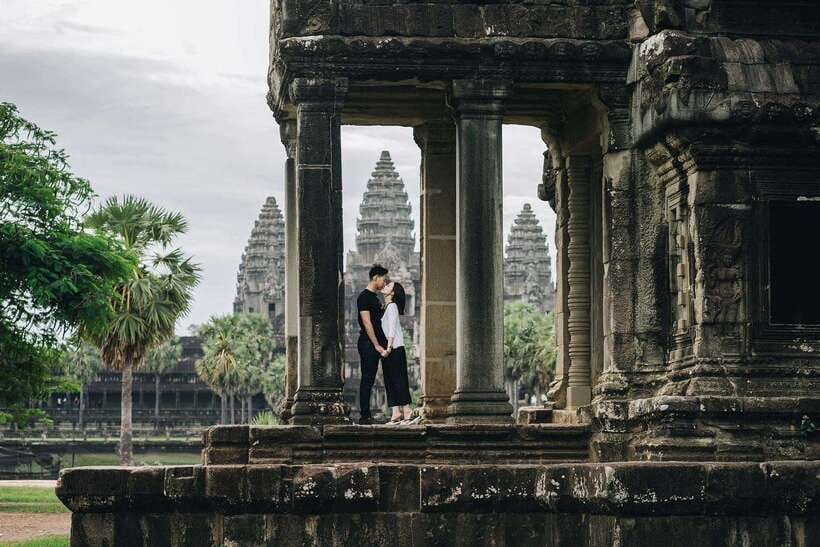
Angkor Wat is impressive at any hour, but seeing it first in evening light and then again at sunrise gives you two very different views of Cambodia’s greatest temple complex. This tour also takes you beyond the famous postcard stops, to places such as Neak Pean, Ta Som, and Preah Khan.
I like the mix of major sights and quieter temples, and I like having an English-speaking guide to explain why each one was built. Guides Sayon and Sam are named for their clear explanations, strong knowledge of the temples, and friendly spirit. The $39 price is also fair for two days of transport, guiding, hotel pickup, water, and towels.
The main catch is that your temple pass and meals cost extra. You also need to handle a very early sunrise start, plenty of walking, and steep stone steps at some temples. This is not a good fit for children under 12 or anyone with limited mobility.
In This Review
- Key points to know before you book
- Why two days work better than one
- Sunset at Phnom Bakheng and the first look at Angkor
- Preah Khan, a temple built for a royal father
- Neak Pean and the old healing waters
- Ta Som and the tree at the east gate
- East Mebon and Pre-Rup, two 10th-century viewpoints
- Sunrise at Angkor Wat
- Ta Prohm, where stone and trees share the frame
- Angkor Thom and Bayon’s smiling faces
- Banteay Kdei and Ta Keo
- What the $39 price really covers
- Practical preparation for two long temple days
- Who should book this Angkor tour
- Should you book it?
- FAQ
- Is the Angkor temple pass included in the $39 price?
- Does the tour include food?
- Is hotel pickup and drop-off included?
- Is the tour conducted in English?
- What should I bring?
- Is the tour suitable for children or people using wheelchairs?
Key points to know before you book
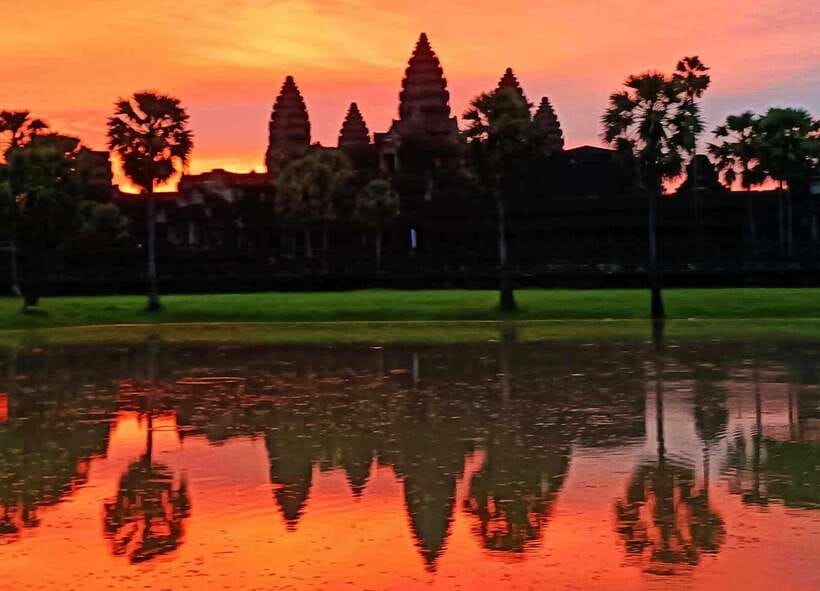
- Two different views of Angkor Wat: See the temple at sunset and return before dawn for sunrise.
- Major temples plus quieter corners: The route includes Ta Prohm, Bayon, Preah Khan, Banteay Kdei, Ta Som, and more.
- Guides Sayon and Sam earn special praise: Their temple explanations and interest in Khmer history add real value.
- Air-conditioned transport is included: Hotel pickup, drop-off, cool water, and a wipe towel help during long temple days.
- The $39 price does not include food or admission: Buy your Angkor pass separately online or at the ticket office.
- Expect walking and stairs: Comfortable shoes, sun protection, and a reasonable level of fitness are important.
Why two days work better than one
Angkor is not one temple. It is a huge archaeological area filled with monuments from different periods of the Khmer Empire. Trying to cover the best sites in one rushed day can leave you hot, tired, and unable to remember which king built what.
This two-day plan gives the main sights room to breathe. You begin around sunset on the first day, then spend the following day at Angkor Wat and several nearby temples. The early start helps you visit the most famous places before the heat grows strong and before the crowds become more intense.
I like this structure because it gives you a first look at the scale of the complex on day one. The second day then begins with the emotional high point, sunrise over Angkor Wat, before moving through a long list of temples while the air is still cooler.
You should still expect full sightseeing days. The tour includes breaks for rest, but this is not a gentle bus ride with brief photo stops. You will walk on uneven ground, cross temple courtyards, and climb stairs at places such as Ta Keo and Phnom Bakheng.
More Angkor temple itineraries:
- Angkor Wat Sunrise or Sunset Tour with Guide from Siem Reap
5.0 · 12,109 reviews - Siem Reap: Angkor Wat: Small-Group Sunrise or Sunset Tour
5.0 · 9,444 reviews - Siem Reap: Angkor Wat 2-Day Tour with Sunrise and Sunset
4.9 · 4,429 reviews
Sunset at Phnom Bakheng and the first look at Angkor
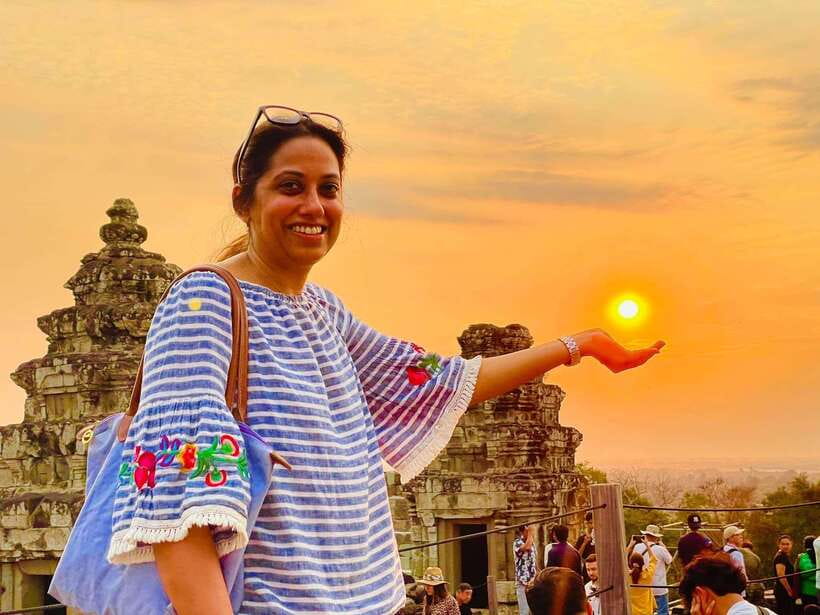
The first day begins with a sunset visit within the Angkor complex. Phnom Bakheng sits on a hill, and its 33 towers represent the heavens. The setting gives you a useful first lesson in how Khmer builders connected temple design with Hindu ideas about the universe.
The hilltop position also explains the appeal of this stop. You get a wider view over the surrounding area rather than looking only at walls, towers, and carved galleries. The climb is part of the experience, so wear shoes with a firm grip and expect some effort.
Phnom Bakheng is not the only temple associated with this part of the tour. The route also includes several monuments on what is often called the Grand Circuit, each with a different shape and purpose. Your guide can help you compare them instead of treating every stone structure as simply another ruin.
Sunset is a popular time, and the hilltop setting can feel busy. The value here is not solitude. It is the chance to watch the light change over one of Angkor’s oldest temple settings and understand the site’s grand scale before the next morning’s sunrise.
Preah Khan, a temple built for a royal father
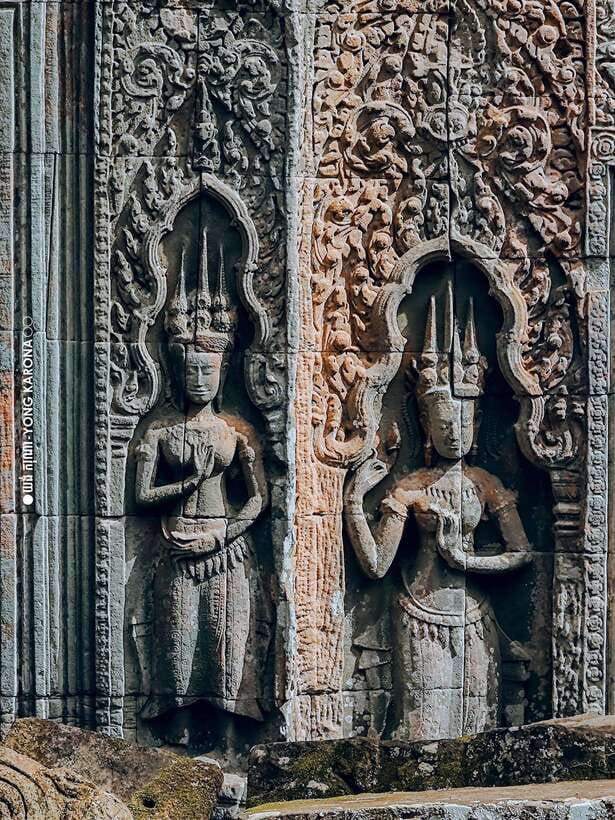
Preah Khan is described as the largest temple on this circuit and was built by King Bayon for his father. Its long corridors and broad layout make it a good place to see how an Angkor temple could work as more than a single shrine.
I like Preah Khan because it rewards slow looking. You can notice doorways, galleries, sculptures, and the way the structure opens and closes as you walk through it. The size can be confusing, so a guide matters here. A clear explanation helps you understand the plan rather than simply wandering from one attractive wall to the next.
The condition of the temple also gives you a sense of time and change. Some parts feel formal and ordered, while other sections show the effects of age and repair. Bring a camera, but remember that flash photography is not allowed.
Neak Pean and the old healing waters
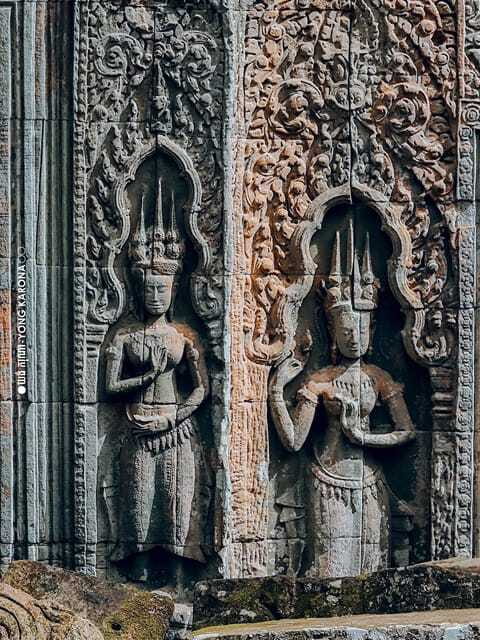
Neak Pean is one of the more unusual stops. The temple sits on an island, surrounded by water that was used for bathing and health during the Angkor period.
This is a smaller and more focused site than Preah Khan. Its importance comes from the relationship between the temple and the water around it. Your guide’s explanation can turn what might seem like a quick photo stop into a lesson about religious belief, healing, and daily life in the Khmer period.
You might find the experience less dramatic than Angkor Wat or Ta Prohm, especially if you prefer giant towers and jungle-covered walls. Still, I think it earns its place because it shows a different side of Angkor’s planning. Water was not only useful for farming and transport. It also had religious and medical meaning.
Other Siem Reap experiences to weigh up
- Angkor 2-Day Sunset & Sunrise Small-Group Tour
5.0 · 2,567 reviews - 2 Days Exclusive Temple Highlights with Sunset and Sunrise Tour
5.0 · 1,157 reviews - Siem Reap: Angkor Sunrise 1- or 2-Day Guided Temples Tour
4.9 · 1,132 reviews - 2 Days Guided Historical Tour in Angkor
5.0 · 855 reviews
Ta Som and the tree at the east gate
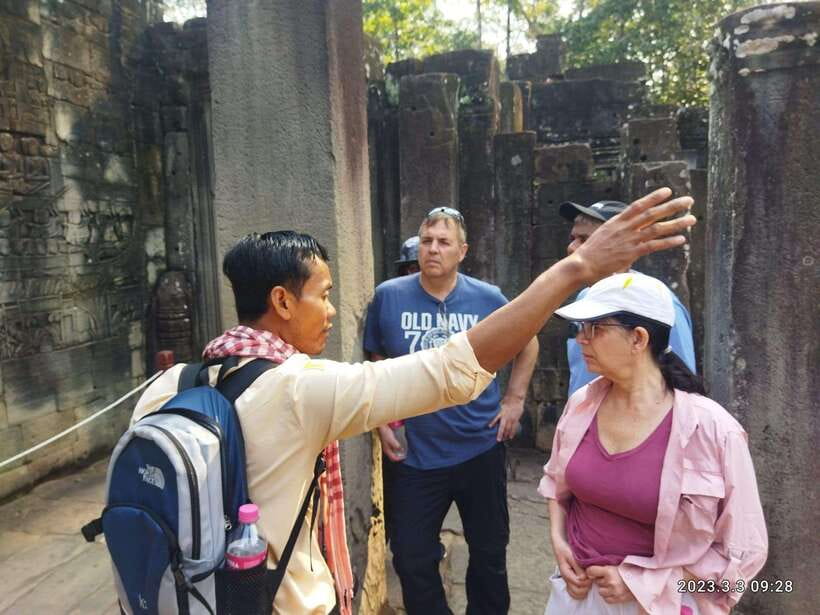
Ta Som is a smaller temple with a memorable feature: a large tree growing over its east gate. The image is not as famous as Ta Prohm’s jungle scenes, but it gives you another chance to see nature pressing against old stone.
The temple contains many sculptures of dancers with long hair. It was built for the king’s sister, which gives the monument a personal connection within the royal family. That detail is worth hearing on site because it makes the temple feel less like an anonymous ruin.
Ta Som works well as part of a longer route. You can see its character without spending the whole day at one monument, and its smaller scale provides a break from the massive complexes. Take time to look at the carvings instead of rushing straight to the tree-covered gate.
East Mebon and Pre-Rup, two 10th-century viewpoints
East Mebon was built for the ancestors and once stood in the middle of a reservoir. Today, the water is no longer the main feature, so your guide’s explanation is important. Without that context, you may miss how different the temple must have looked when the reservoir surrounded it.
The site dates to as early as the 10th century and gives you a sense of an earlier stage of Khmer temple design. Its position and purpose connect architecture with royal ancestors and water management.
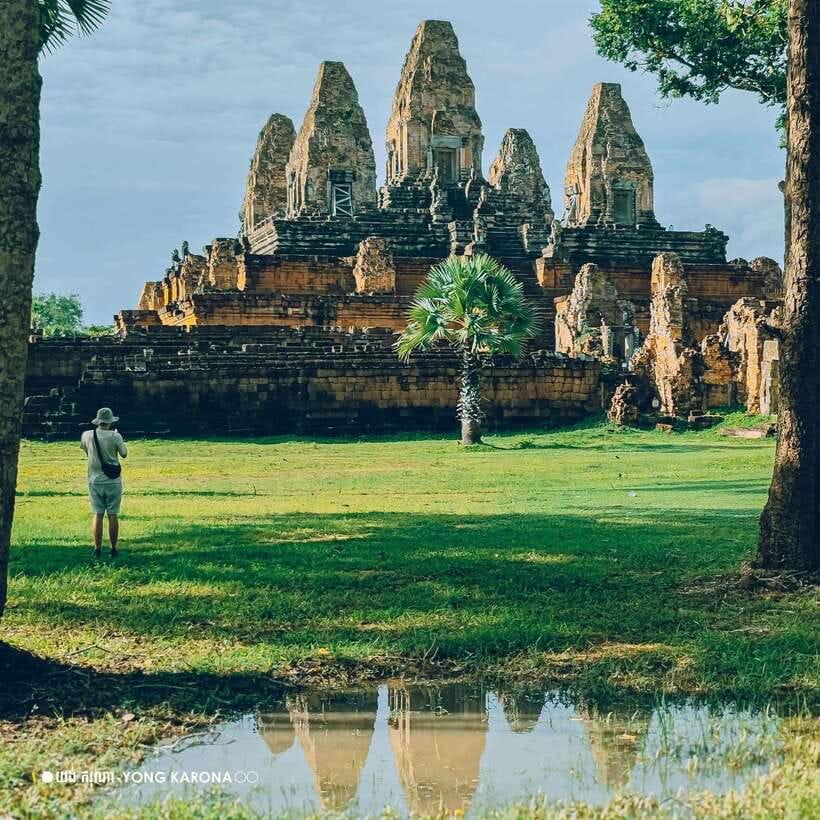
Pre-Rup was built by a king for himself. It is sometimes mistaken for a crematorium because of a stone structure that resembles a coffin. The structure actually had a different role: Hindus used it for meditation during the full moon.
That is a useful reminder not to rely on quick labels. Angkor’s monuments have often been interpreted through appearances, but their original purposes were tied to religion, royalty, and ceremony. Pre-Rup can be especially rewarding if you enjoy the stories behind the stones.
Sunrise at Angkor Wat
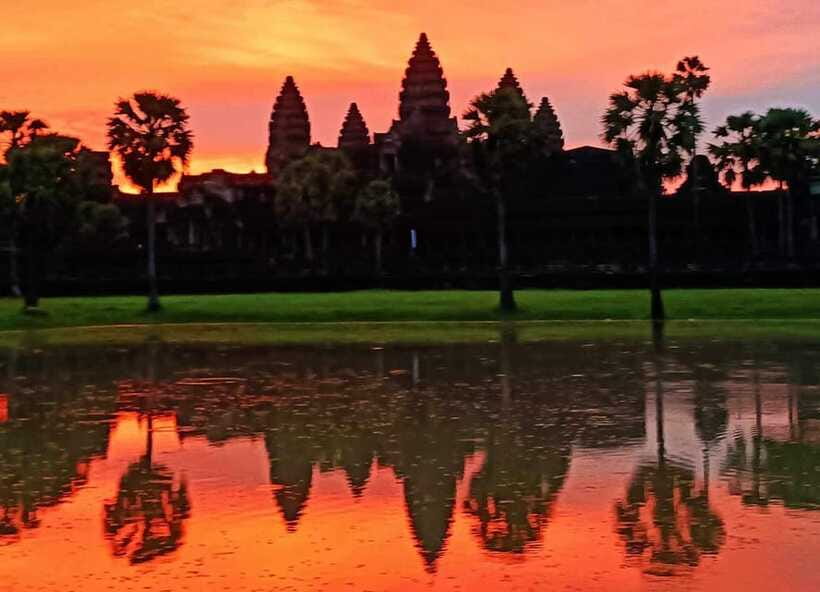
Day two begins early, before sunrise. You will watch the sky brighten over Angkor Wat, Cambodia’s most visited attraction and a UNESCO-listed archaeological site.
You should prepare for darkness, waiting, and a large crowd at this famous viewing. The reward is the gradual change in light across the temple towers and reflecting pools. Sunrise is not a guarantee of perfect color, but the setting gives you a strong start to the day even when the sky is subdued.
The early departure has a practical benefit. After the sunrise stop, you can explore the temple while the morning is still relatively cool. That matters in Cambodia, where heat can make long walks and open courtyards tiring.
Angkor Wat deserves more than a sunrise photograph. Give attention to its scale, galleries, towers, and religious purpose. Your English-speaking guide can explain the Khmer Empire’s culture and the ideas behind the design, which helps you see more than a famous outline against the sky.
Ta Prohm, where stone and trees share the frame
Ta Prohm is the jungle temple made famous by the Tomb Raider movie. Its appeal comes from the way large trees grow over walls and doorways, creating scenes that look almost too dramatic to be real.
The movie connection draws many people, but the temple has more to offer than a film location. Ta Prohm shows the tension between preservation and nature. Roots push through masonry, galleries collapse in places, and carved stone appears through layers of shade and growth.
You will likely spend time waiting for clear photo angles at the best-known spots. Try not to let that turn the visit into a single photo hunt. Look at the remaining carvings and the way the temple’s corridors connect. The uneven surface also calls for careful walking.
Angkor Thom and Bayon’s smiling faces
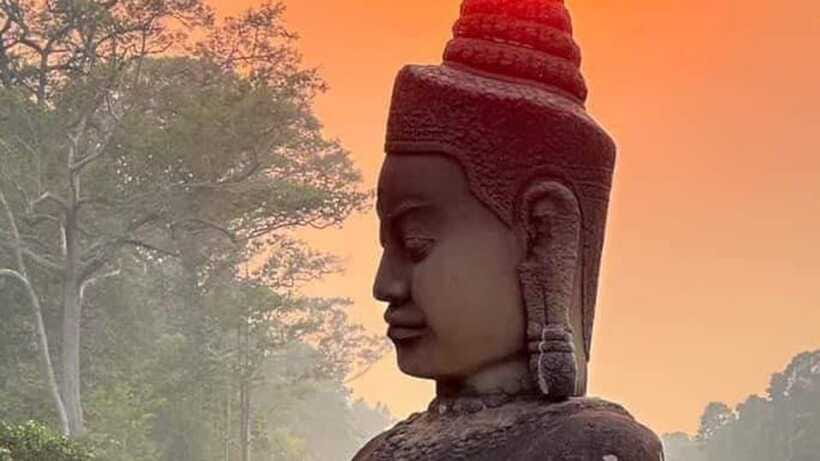
The South Gate of Angkor Thom is one of the route’s memorable entrances. A bridge lined with statues of gods leads toward the fortified city, giving you a strong visual introduction before you reach the temples inside.
This is a place where a guide can add useful context. The statues are not random decoration, and their arrangement reflects the religious and political ideas of the Khmer world. The South Gate also helps you understand Angkor Thom as a planned royal city rather than just a collection of monuments.
Inside, Bayon is famous for its large smiling faces. The towers can feel puzzling at first because faces appear from different directions as you move through the temple. Slow down and watch how the views change.
Bayon is visually powerful, but its tight passages and many levels can make it tiring. I recommend listening to the explanation first, then taking time to explore the carvings and faces at your own pace.
Banteay Kdei and Ta Keo
Banteay Kdei is a Buddhist temple that remains largely unrestored and is still used by monks. That combination gives the visit a different feel from the more heavily photographed monuments. You can see a temple that remains part of living religious practice while also bearing the marks of age.
The partly unrestored condition may appeal to you if you prefer a less polished setting. It can also make the layout harder to follow, so stay close enough to hear your guide’s explanation. Watch your footing on uneven stone.
Ta Keo is a mountain temple built in the 10th century. You walk up between the ancient structure and the modern world around it, with the climb making the temple’s vertical design clear.
The steps can be steep, and this is one of the reasons the tour is not suitable for people with mobility impairments or wheelchair users. If you are comfortable with stairs, the climb gives you a direct sense of how these temples were designed to rise above the ground.
What the $39 price really covers
At $39 per person, the tour offers good value if you want guided transport across two full days. The price includes an English-speaking guide, an air-conditioned van, hotel pickup and drop-off, sunset and sunrise visits, local tax, rest breaks, cool water, and a wipe towel.
The largest extra cost is the temple pass. Admission is not included, and you can buy the pass online through the Angkor Enterprise website or at the ticket office. Food is also separate, so plan for meal costs during the long sightseeing days.
I see the price as especially useful for people who do not want to arrange transport between widely separated temples. The van saves you from negotiating each ride, while the guide gives the sites a clear order and historical framework.
The value depends less on luxury and more on coverage. This is a sightseeing-focused tour, not a private high-end experience with meals and admission included. Private and small-group options are available, but the exact group arrangement should be checked when booking.
Practical preparation for two long temple days
Wear comfortable shoes. Sandals may be fine for some visitors, but uneven paths and temple stairs make secure footwear a wiser choice.
Bring a hat, sunscreen, water, and a camera. Cool water is included, but carrying your own supply is still sensible during long walks. Flash photography and littering are not allowed, and you should treat the temples as active cultural and historic places.
You need a passport or an ID card. A copy is accepted according to the tour information, but keep your identification available for the temple pass process.
The sunrise morning requires an early start, and the pickup time will match the time selected for the tour. Confirm that time carefully and be ready before pickup. The tour includes rest breaks, but you should still expect heat, stairs, and substantial walking.
Children under 12 are not accepted. The tour is also unsuitable for wheelchair users and people with mobility impairments. If you need a slower pace or frequent seating, ask about the private option before booking, though the provided details do not promise a modified itinerary.
Who should book this Angkor tour
I would choose this tour if you want the major Angkor sights but also want temples that receive less attention than Angkor Wat, Bayon, and Ta Prohm. It suits first-time visitors who want explanations as they go, rather than a driver who only drops them at the gates.
It is also a good choice if you value practical transport. Two days of temple roads, hotel pickup, air conditioning, water, and a guide for $39 is a sensible package, provided you budget separately for admission and food.
You may prefer another arrangement if you want to set your own pace, sleep late, or spend an entire morning at one temple. The sunrise start is central to the experience, not an optional extra, and the itinerary covers many sites.
The strongest personal touch comes from the guiding. Sayon and Sam are specifically praised for explaining the temples, the city, and Cambodia’s history with warmth and enthusiasm. Guide quality can vary by booking, but the experience clearly depends on having someone who can connect the monuments instead of merely naming them.
Should you book it?
Book this tour if you want an efficient, affordable introduction to Angkor with both famous temples and less familiar stops. The combination of sunset, sunrise, Ta Prohm, Bayon, Preah Khan, Neak Pean, Ta Som, East Mebon, Pre-Rup, Banteay Kdei, and Ta Keo gives you a broad view of the complex.
Skip it if you dislike early mornings, long walking days, steep steps, or separate ticket and meal costs. For most reasonably fit visitors who want history, practical transport, and strong coverage at a low price, this is a well-focused two-day plan.
FAQ
Is the Angkor temple pass included in the $39 price?
No. The temple entrance fee must be purchased separately. You can buy the pass online through the Angkor Enterprise website or at the ticket office.
Does the tour include food?
No. Food is not included, so you should budget separately for meals during the two-day tour.
Is hotel pickup and drop-off included?
Yes. Hotel pickup and drop-off are included, and the pickup time matches the time selected when you book.
Is the tour conducted in English?
Yes. The live tour guide language is English.
What should I bring?
Bring comfortable shoes, a hat, sunscreen, water, a camera, and a passport or ID card. A copy of the passport or ID is accepted.
Is the tour suitable for children or people using wheelchairs?
No. The experience is not suitable for children under 12, people with mobility impairments, or wheelchair users.
Fresh reviews from around Siem Reap
- Full-Day Tour Preah Vihea & Koh Ker Temple 3.7 · 3 reviews
- Savor the Countryside: Tours with Authentic Cooking Classes” 5.0 · 3 reviews
- Guided Private Tuk Tuk Tour Angkor Wat and Small Circle and Five Extras 5.0 · 3 reviews
- Angkor Wat Sunrise TukTuk Tour 5.0 · 3 reviews
- Angkor Grand Circuit Tour & Banteay Srei 5.0 · 3 reviews
- Siem Reap Temple Tour 2-Day with Sunrise/Sunset 3.7 · 3 reviews
- Bangkok to Angkor Wat 2 Days 1 Night by Flight 4.5 · 3 reviews
- Kompong Pluk Tour 5.0 · 3 reviews
Angkor Temple Tours, compared.

Angkor Wat Sunrise or Sunset Tour with Guide from Siem Reap
Read our review →



Angkor Wat Sunrise tour with Small – Group and Guide tours
Read our review →
Angkor Wat Highlights and Sunrise Guided Tour from Siem Reap
Read our review →

Full-Day Angkor Wat Sunrise Private Tour with Guide from Siem Reap
Read our review →Browse the lists this tour appears in