
Reviewed · 3-DAY EXPERIENCES
Siem Reap Temple and Waterfall 3-Day Tour
Angkor Wat is only the beginning here. This three-day private tour links Cambodia’s major temples with Phnom Kulen waterfall and a Tonlé Sap floating village, so you see more than the famous postcard sites. You also get an Angkor Wat sunrise and a sunset from Phnom Bakheng or Pre Rup.
I like the door-to-door transport, which saves you from arranging separate cars for distant temples. I also like the personal feel: guides including Boy, Young, and Makara are noted for friendly service, good photographs, and making families feel well looked after. The main catch is cost planning, since temple tickets, food, and accommodation are not included.
In This Review
- Key points at a glance
- Why this three-day plan works well
- Day one: Angkor Thom, Bayon, and Angkor Wat
- Day two: Phnom Kulen’s waterfall and sacred carvings
- Day three: sunrise, jungle-covered Ta Prohm, and the Grand Circuit
- What the $171.50 price really covers
- Heat, clothing, and the early starts
- Who should book this tour
- Should you book it?
- FAQ
- How long is the tour?
- Where does the tour start?
- What time does the first day start?
- What time does the sunrise day start?
- Is this a private tour?
- Is hotel pickup and drop-off included?
- What type of vehicle is provided?
- Are entrance fees included?
- Are meals included?
- What clothing should I wear?
- Can I cancel for a full refund?
Key points at a glance
- Private touring for your group: You travel with your own companions and guide rather than joining a large shared bus.
- A wide Angkor route: The plan includes Angkor Wat, Angkor Thom, Bayon, Ta Prohm, Preah Khan, Neak Pean, Ta Som, and Pre Rup.
- Sunrise and sunset included: You start as early as 5:00 am on day three and finish another day with a sunset view.
- Phnom Kulen adds variety: Waterfall, the River of 1000 Lingas, and a large reclining Buddha give you a break from temple corridors.
- Banteay Srei is a visual highlight: Its pink sandstone and fine carving make it unlike the larger Angkor monuments.
- Budget beyond the tour price: The $171.50 tour rate excludes entrance fees, lunches, and personal spending.
Why this three-day plan works well
Siem Reap’s temple zone is spread across a wide area, while Phnom Kulen and Tonlé Sap require separate journeys. Without public transport, arranging all of this yourself can take time and involve several drivers. This tour gives you one private vehicle, one guide, and hotel pickup and drop-off in Siem Reap.
That matters most on the long days. You can leave the driving to someone else, carry water in the air-conditioned car, and return to the vehicle between sites. The included cool water and cool towels are small touches, but in Cambodia’s heat they are useful ones.
The pace is full. You will see major monuments, smaller temples, a waterfall, a mountain shrine, and a floating village in three days. That makes the tour a good fit if you have limited time and want a broad first look at the area. It is less suited to you if you prefer spending half a day at one temple with no fixed schedule.
The private format is the biggest advantage. You can ask questions, take time for photographs, and travel with only your own group. The feedback also points to a warm, personal style from guides such as Young, who was praised for being professional, kind, playful, and attentive to a group with a four-year-old child. Makara is also noted for taking excellent photographs, while Boy and driver Chantha received specific praise for their care.
The tour holds a 4.7 rating from three reviews, a promising but small sample. I would treat that as useful evidence of strong guide service, not as a guarantee that every departure will feel identical.
Other Siem Reap experiences to weigh up
Day one: Angkor Thom, Bayon, and Angkor Wat
The first morning begins at 8:00 am at the South Gate of Angkor Thom. The gate itself is a dramatic entrance, lined with stone figures pulling a serpent. From there, you enter the old walled city and visit several major sites.
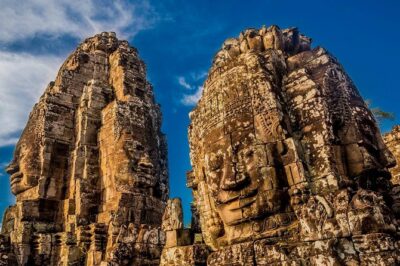
Bayon is the star. Built in the late 12th century as a Buddhist state temple, it is known for its towers carved with enormous calm faces. The faces appear from different angles as you move through the complex, so this is a temple where your guide’s explanation can help you notice details you might otherwise miss.
The reliefs at Bayon show scenes of daily life and warfare involving the Champa Kingdom. Look for the human scale of the carvings: soldiers, animals, markets, and ordinary activities appear alongside royal and religious scenes. After Angkor Wat, this may be the most memorable temple on the schedule.
The route continues through the north entrance toward Baphoun. This pyramid-shaped temple rises above the surrounding ground and gives you a sense of how Khmer builders used height to represent sacred mountains. Nearby, Phimeanakas sits beside the former Royal swimming pool. These sites are less immediately famous than Bayon, but together they help you understand Angkor Thom as a city rather than a collection of isolated monuments.
Lunch and a rest break come in the Angkor Park area. Lunch is not included, so budget for it separately. The break is important because the heat can make a temple-heavy morning feel longer than expected, especially if you are climbing steps or walking over uneven surfaces.
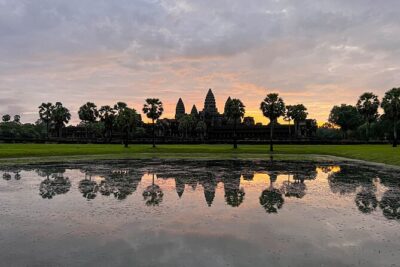
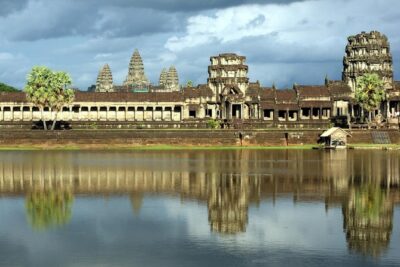
In the afternoon, you visit Angkor Wat. This is the monument most people picture when they think of Siem Reap, and the first approach across the causeway gives you the classic view of its towers and reflecting water.
Angkor Wat is not a quick photo stop. Its galleries contain long carved panels, its central towers rise above several levels, and its scale becomes clearer as you walk inward. Give yourself time to look at the carvings rather than rushing straight to the central sanctuary.
The day ends with sunset at Phnom Bakheng or Pre Rup, depending on the plan and conditions. Phnom Bakheng is a well-known sunset viewpoint, while Pre Rup is a brick temple with a strong upper-level view. The schedule names both, but you should confirm which one your guide expects to use.
Day two: Phnom Kulen’s waterfall and sacred carvings
Day two leaves at 8:00 am for Phnom Kulen. This changes the mood of the tour. Instead of moving from one temple compound to another, you travel through rural scenery and see Khmer communities along the way.
Phnom Kulen is important because it is described as the first major shrine and city connected with the beginning of the Khmer Empire. The mountain also brings together several kinds of sights in one visit.
The waterfall is the obvious draw, especially after a hot temple day. The River of 1000 Lingas adds a religious detail that is easy to miss if you think of Kulen only as a nature stop. Carved lingas in the riverbed connect the water with Hindu worship and show how sacred meaning was built into the site itself.
You also see a large reclining Buddha image. Together, the waterfall, river carvings, and Buddha make Kulen a useful counterpoint to Angkor’s grand stone temples. You are not simply repeating the same kind of attraction for three days.
The tour includes lunch and a short rest period after the mountain visit, but lunch is at your own expense. Since the day includes an early start, heat, and a longer excursion, take the rest seriously rather than trying to squeeze in extra sightseeing.
The afternoon visit is to Banteay Srei, a small temple built from pink sandstone. It is often called the jewelry of Khmer art because of its delicate carving and fine detail. Compared with Angkor Wat or Angkor Thom, Banteay Srei feels compact and more intimate.
The smaller scale is part of its appeal. You can study the carved figures, floral designs, and ornamental borders without confronting the huge distances of Angkor Wat. The pink stone also gives the temple a different color and texture from the larger monuments.
The final stop is Tonlé Sap, with a floating village and floating market. This adds a look at present-day Cambodian life after two days focused mainly on ancient sites. The description does not specify which floating village you visit or how long you spend there, so ask your guide about the exact route before setting out.
Tonlé Sap is valuable because it shows how communities adapt daily life to the lake. Still, it is worth keeping expectations sensible. This is not a quiet temple visit, and the floating market may feel more commercial than the ancient monuments. Its place in the schedule is best understood as a cultural change of pace.
Day three: sunrise, jungle-covered Ta Prohm, and the Grand Circuit
The third day begins at 5:00 am for sunrise at Angkor Wat. This is the earliest start of the tour, so it is not a good morning for a relaxed hotel breakfast. The reward is the chance to see the temple in the soft early light before the day becomes hotter.
After sunrise, you go to a local restaurant for breakfast. The meal is not included, and you should plan to pay for it yourself. The early departure also means the timing may shift with weather and crowd conditions, so listen closely to your guide once you arrive.
Ta Prohm follows breakfast. This is the temple made famous by the Tomb Raider film, but its appeal goes well beyond the movie connection. Trees grow through and over parts of the stonework, creating the tangled appearance that makes Ta Prohm so recognizable.
The temple also shows the tension between preservation and nature. Roots and branches give the site its atmosphere, but they can obscure carvings and restrict movement. Your guide can help you focus on the sections that remain clear rather than treating the visit as only a film location.
A five-minute drive along the Grand Circuit brings you to Preah Khan. It is described as the largest ancestor temple built by a Buddhist king in honor of his father. Its corridors and chambers feel more spread out than Ta Prohm, with a mix of religious imagery and architectural remains.
Neak Pean comes next. This temple sits in the middle of a reservoir and is associated with a holy pool. The approach over the water is part of the visit, and the setting makes it different from the enclosed courtyards of the earlier temples.
Ta Som is located beside another water reservoir. It is a smaller stop, but the route gives you a useful sense of how temples, water management, and royal planning worked together across the Angkor area. You may appreciate this visit most if you like quieter sites and architectural details rather than only the grandest monuments.
The final temple is Pre Rup, a 10th-century royal state temple built mainly of brick. Its stepped form and warm brick color give it a character of its own. Since Pre Rup is also listed as a possible sunset site on day one, confirm how the schedule handles it so you know whether you will see it in daylight, at sunset, or on both occasions.
This last day covers a great deal of ground. The early start is the price of seeing Angkor Wat at sunrise and reaching Ta Prohm before the biggest crowds arrive. If you need a slow morning, this will feel demanding. If you want to see major and less prominent temples in a carefully connected route, it is one of the tour’s strongest days.
A different pace for your next Siem Reap morning:
- Angkor Wat Sunrise or Sunset Tour with Guide from Siem Reap
5.0 · 12,109 reviews - Siem Reap: Angkor Wat: Small-Group Sunrise or Sunset Tour
5.0 · 9,444 reviews - From Siem Reap: Kampong Phluk Floating Village Tour by Boat
4.9 · 6,979 reviews - Sunset tour of Kampong Phluk stilts home village on the Tonle Sap
5.0 · 4,865 reviews
What the $171.50 price really covers
The listed rate is $171.50 per person. For a private three-day tour with hotel pickup and drop-off, an air-conditioned car, van, or minibus, a guide, and a driver, that can be reasonable, particularly for couples or small groups who value convenience.
Group discounts may improve the per-person price when several people share the vehicle. The private setup also means you are paying for flexibility and direct service, not simply transport between fixed stops.
The price does not include accommodation, temple entrance tickets, lunch, or personal expenses. The supplied information gives the temple ticket as $37 per person for a single day. Since your plan visits Angkor sites on three days, ask the operator how many days of admission you need and what ticket arrangement applies before you finalize your budget.
Food costs are also separate each day. Day one includes a lunch break, day two includes lunch and rest, and day three stops at a local restaurant for breakfast, but none of these meals are covered by the tour price.
The included water and cool towels help, but you should still carry money for meals and personal purchases. The tour is not an all-inclusive package. It is a guided sightseeing service with transportation.
Heat, clothing, and the early starts
Cambodia is hot and humid for much of the year. Light cotton clothing is recommended, and temple rules require covered shoulders and clothing that reaches at least to the knees. Tank tops, scarves, shawls, and overly short shorts are not accepted for temple visits.
November, December, and January are described as the pleasantest months. Even then, the schedule includes long walks and exposed areas, so comfortable clothing remains important.
The 5:00 am sunrise is the main physical and scheduling challenge. Day two starts at 8:00 am, and day one also begins at 8:00 am, but all three days involve walking, heat, and uneven temple surfaces. Most people can take part, though you should judge the pace against your own comfort.
The private format helps here. You can tell the guide when you need a short pause, and families can travel at their own pace within the day’s plan. The experience with a four-year-old child suggests the style can work for families, but the early morning and amount of walking still require planning.
Who should book this tour
I would choose this tour if you have three days in Siem Reap and want one organized plan that reaches beyond Angkor Wat. It suits first-time visitors who want the major temples, a waterfall, Banteay Srei, and Tonlé Sap without arranging separate transport.
It is also a good match for couples, families, and small groups who prefer a private guide. Guide service is clearly one of the strongest parts of the experience, especially if you are paired with someone like Young, Boy, or Makara. Ask in advance whether you can request a particular guide, since the available names may vary.
You may want a different arrangement if you dislike early mornings, want long unstructured temple visits, or need meals and admission included in one price. The schedule is broad and efficient, but it is not slow.
The tour is booked an average of 15 days ahead, which is a useful planning signal. If your dates are fixed, arranging it before arrival gives you more time to confirm the guide, vehicle, ticket costs, and exact sunset and floating-village details.
Should you book it?
Book this tour if you want wide coverage with private transport and like the idea of mixing major temples with places many short itineraries leave out. Angkor Wat, Bayon, Ta Prohm, Banteay Srei, Phnom Kulen, and Tonlé Sap make a varied three-day plan.
Skip it if your priority is the lowest possible cost or a very relaxed pace. The $171.50 rate is only part of the budget, and the schedule is full. For the right visitor, though, the private vehicle, friendly guide style, sunrise, sunset option, and broad route make it a practical way to get oriented to Siem Reap.
Free cancellation is available if you cancel at least 24 hours before the start time. Changes or cancellations inside that window are not accepted for a refund.
FAQ
How long is the tour?
The experience lasts approximately three days.
Where does the tour start?
Pickup begins in Siem Reap, Siem Reap Province.
What time does the first day start?
Day one starts at 8:00 am.
What time does the sunrise day start?
Day three starts at 5:00 am from your hotel in Siem Reap.
Is this a private tour?
Yes. Only your group participates in the activity.
Is hotel pickup and drop-off included?
Yes. Pickup and drop-off in Siem Reap are included.
What type of vehicle is provided?
Transport is by an air-conditioned car, van, or minibus.
Are entrance fees included?
No. Temple entry fees are separate. The stated single-day temple ticket price is $37 per person.
Are meals included?
No. Lunch, breakfast, and other food costs are not included.
What clothing should I wear?
Wear light cotton clothing that covers your shoulders and reaches at least to your knees. Tank tops, scarves, shawls, and clothing that is too short are not allowed at the temples.
Can I cancel for a full refund?
Yes, if you cancel at least 24 hours before the experience start time. Cancellations made less than 24 hours before the start time are not refundable.
Fresh reviews from around Siem Reap
- Full-Day Tour Preah Vihea & Koh Ker Temple 3.7 · 3 reviews
- Savor the Countryside: Tours with Authentic Cooking Classes” 5.0 · 3 reviews
- Angkor Wat Sunrise TukTuk Tour 5.0 · 3 reviews
- Angkor Grand Circuit Tour & Banteay Srei 5.0 · 3 reviews
- Guided Private Tuk Tuk Tour Angkor Wat and Small Circle and Five Extras 5.0 · 3 reviews
- Siem Reap Temple Tour 2-Day with Sunrise/Sunset 3.7 · 3 reviews
- Bangkok to Angkor Wat 2 Days 1 Night by Flight 4.5 · 3 reviews
- Kompong Pluk Tour 5.0 · 3 reviews
3-Day Experiences, compared.
3-Day Angkor Wat with All Interesting Major Temples, Banteay Srei & Beng Mealea
Read our review →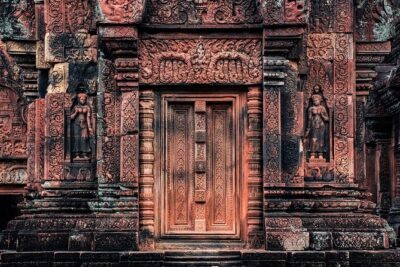
3-Day Angkor Wat & All Interesting Major Temples & Kulen Mount Waterfall
Read our review →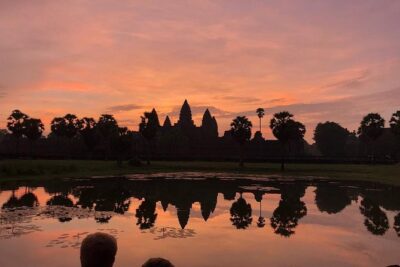
Best of Siem Reap 3-Day Private Tour to Angkor Wat & Tonle Sap
Read our review →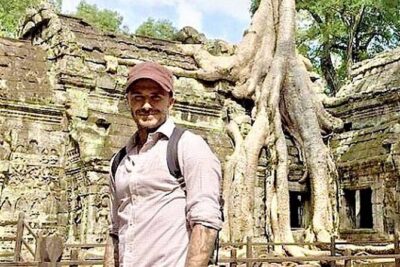
Private Siem Reap 3 Day Tour Discover All Highlight Angkor Temple
Read our review →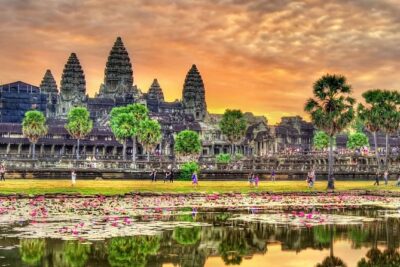
3-Day Tour(Unforgettable Angkor Temple Complex, Banteay Srei& Floating Village)
Read our review →Browse the lists this tour appears in