
Reviewed · CYCLING TOURS
Cycle the Angkor Backroads with lunch / E-Bike or Tuk Tuk
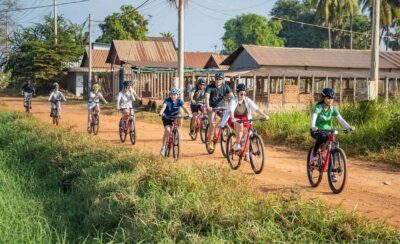
Angkor Wat is only part of the story. This small-group cycling tour takes you along paved roads and dirt lanes to Bayon, Ta Prohm, Srah Srang, and Angkor Wat, giving you fresh air and a closer look at the park between the big sights. The ride covers about 20 to 30 kilometers, so you see the temples with your legs as well as your camera.
I like the quiet backroads and the practical all-in package, which includes a mountain bike, helmet, guide, snacks, water, lunch, and hotel transfers. Guide Son has earned praise for his temple knowledge and flexible approach. The main caution is the heat: this is a real day of cycling, not a gentle roll from one photo stop to the next.
In This Review
- Key points to know before you book
- Why cycling changes your day at Angkor
- Starting at Siem Reaper Travel at 8:00 a.m.
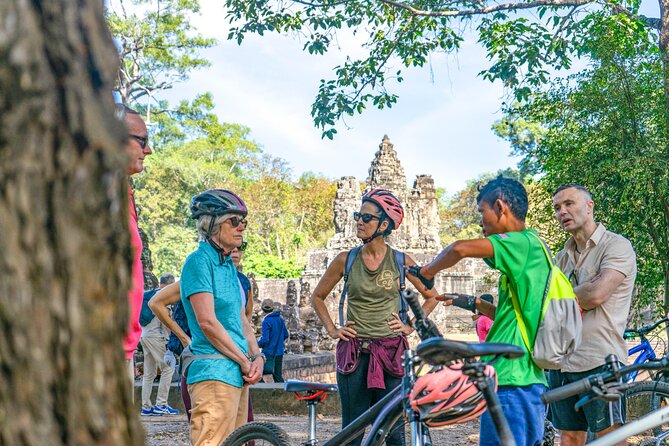
- Riding through Angkor Thom to the Bayon
- Ta Prohm and the appeal of the jungle setting
- Lunch beside Srah Srang
- Angkor Wat after the afternoon rest
- Heat, fitness, and the 20 to 30 kilometer ride
- What the guide adds, and where the experience can vary
- What to bring and how to prepare
- Is $55 good value for a day at Angkor?
- Should you book this Angkor cycling tour?
- FAQ
- How long does the Angkor cycling tour last?
- How far do you cycle?
- Which temples are included?
- Is lunch included?
- Are Angkor temple entrance fees included?
- What equipment is provided?
- Is hotel pickup available?
- Is the tour suitable for children?
Key points to know before you book
- 20 to 30 kilometers on two wheels: You need moderate fitness and confidence on a bike.
- Four major Angkor stops: The route includes Bayon, Ta Prohm, Srah Srang, and Angkor Wat.
- Lunch beside Srah Srang: The midday break gives you time to rest by the pond before the afternoon temple visit.
- Small groups capped at 12: You get a more personal outing than on a large coach tour.
- Temple tickets cost extra: Angkor Archaeological Park admission is not included in the $55 price.
- Family equipment is available: Kid-sized bikes, tag-alongs, and child seats can be arranged.
Why cycling changes your day at Angkor
The Angkor temples are spread across a large archaeological park. By car or tuk tuk, you can move between the major monuments quickly, but you also spend much of the day sitting in traffic or waiting beside the road. A bicycle gives you a slower, more physical way to connect the sites.
The useful part is not only the exercise. Riding between temples lets you notice the spaces between them: tree-lined roads, dirt lanes, gates, ponds, and stretches of forest. You get a better sense of Angkor as a former city complex rather than a handful of separate monuments.
This tour is designed to avoid some of the ordinary vehicle traffic, though you should not expect complete solitude. Angkor Wat and the Bayon are major attractions, and they can be busy. The backroad sections provide the calmer parts of the day, while the temples themselves remain popular.
At $55 per person, the price is fair if you value convenience. You are paying for hotel pickup and drop-off, bike use, a helmet, an English-speaking guide, bottled water, snacks, and lunch. You still need to budget separately for admission to the Angkor temple complex, so calculate that extra cost before booking.
The group limit of 12 is another plus. It is small enough for questions and basic help on the road, without the private-tour price. The exact feel will depend on the final group size, but this is not built around a large busload.
More Angkor temple itineraries:
- Angkor Wat Sunrise or Sunset Tour with Guide from Siem Reap
5.0 · 12,109 reviews - Siem Reap: Angkor Wat: Small-Group Sunrise or Sunset Tour
5.0 · 9,444 reviews - Siem Reap: Angkor Wat 2-Day Tour with Sunrise and Sunset
4.9 · 4,429 reviews
Starting at Siem Reaper Travel at 8:00 a.m.
Your day begins with hotel pickup at about 8:00 a.m. You are taken to the Siem Reaper Travel office, where you are fitted with a bicycle and helmet. This first stop takes roughly 30 minutes.
The bike provided is described as a Trek mountain bike. That matters because the route includes both paved roads and dirt lanes. A mountain bike is better suited to mixed surfaces than a basic city bicycle, though you should still make sure the seat height and brakes feel right before setting off.
Tell the operator in advance if you need a vegetarian lunch. Kid-sized bikes, tag-alongs, and child seats are also available, which gives families more flexibility. The stated fitness level is moderate, so parents should think carefully about the full distance, the heat, and the age of each child.
The tour also carries bottled water and snacks. That is useful in Cambodia’s warm conditions, but bring sensible personal clothing and any extra water you know you will need. The tour lasts about seven hours, and the ride itself can take energy even when the route is not technically difficult.
Riding through Angkor Thom to the Bayon
The morning ride heads toward Angkor Archaeological Park and enters the ancient city of Angkor Thom through a gate decorated with elephants and giant faces. This approach gives the first major temple visit some drama. You are not simply dropped at the entrance. You arrive by moving through the old city walls and gates.
Bayon is the centerpiece of Angkor Thom. Its famous stone faces appear among a dense arrangement of towers, galleries, and carved surfaces. The temple can feel confusing at first, and this is where a guide adds real value. A good explanation helps you understand how the structure is laid out and where to look.
Guide Son has been singled out for clear information about the temples and for adjusting the day when needed. That flexibility is useful on a cycling tour, where the group’s pace, the heat, and the time spent taking photographs can all affect the schedule.
Allow about three hours for this first major section, including the approach and exploration around Angkor Thom and Bayon. That is a substantial portion of the morning, but it prevents the visit from becoming a rushed stop.
One practical point: the temple admission ticket is not included. You will need the required Angkor pass separately, and you should have it ready for entry into the archaeological park. The tour price covers the experience around the temples, not the entrance fee itself.
Ta Prohm and the appeal of the jungle setting
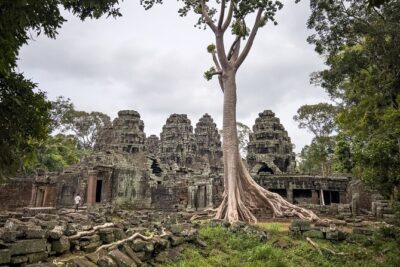
From Bayon, the route continues to Ta Prohm. This is the temple many people associate with the Tomb Raider film, but the movie connection is only part of its appeal. Ta Prohm is striking because trees and stone seem to occupy the same space, with roots pressing over walls and towers.
You get around two hours here, which gives you time to walk through the temple and take in the details. The setting is more enclosed and atmospheric than the broad approach to Angkor Wat. It is also a place where a guide can help you separate what is original, what has been restored, and what is simply a memorable photographic angle, provided the explanation is clear.
One past outing was praised for its organization and enjoyable riding, while the temple explanations and photo help were judged less confident. That is a useful expectation to carry into the day. Son appears to be a strong choice when assigned, but guiding styles can vary, and not every guide will frame the history or photographs in exactly the way you prefer.
You should also expect the ground around the temples to be uneven. The cycling portions may be manageable, but temple exploration involves walking, standing, and negotiating old stone surfaces. Comfortable shoes matter more than cycling speed once you are inside the monuments.
More cycling days around Siem Reap:
- Siem Reap Countryside Bike Tour / E-Bike or Tuk Tuk
5.0 · 935 reviews - Angkor Sunrise Bike Tour / E-Bike or Tuk Tuk
5.0 · 615 reviews - Siem Reap: Bike the Angkor Temples – Full-Day 30km Tour
5.0 · 463 reviews - Siem Reap: Angkor Wat Sunrise Bike Tour & Jungle Breakfast
5.0 · 415 reviews
Lunch beside Srah Srang
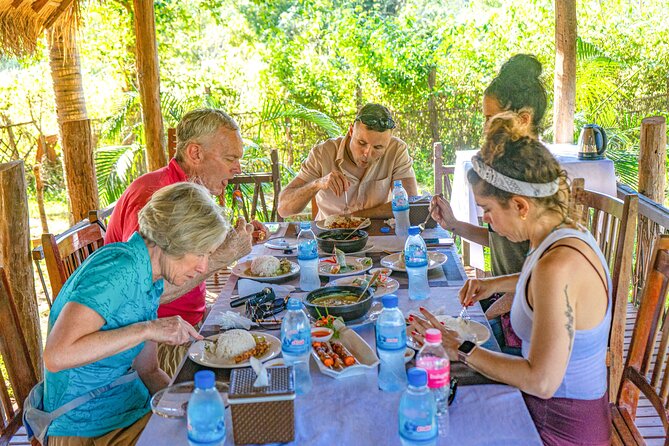
The midday break takes place at Srah Srang, a large pond with a tropical garden setting. Lunch is included, and you have about an hour to eat, rest, and look across the water.
This is a smart point in the route for a pause. By late morning, the combination of riding, walking, and Cambodia’s heat can catch up with you. A proper meal and a quiet hour are more useful than squeezing in another temple and arriving at Angkor Wat tired.
The pond also gives you a change of scene. After stone galleries and tree-covered ruins, open water and garden space provide a simple place to reset. Do not treat lunch as a long restaurant outing, though. The break is built into an active day, and the afternoon still includes the tour’s biggest site.
Vegetarian food is available if you request it at booking. If you have other dietary needs, the supplied details only confirm the vegetarian option, so ask before you pay rather than assuming the meal can be changed.
Angkor Wat after the afternoon rest
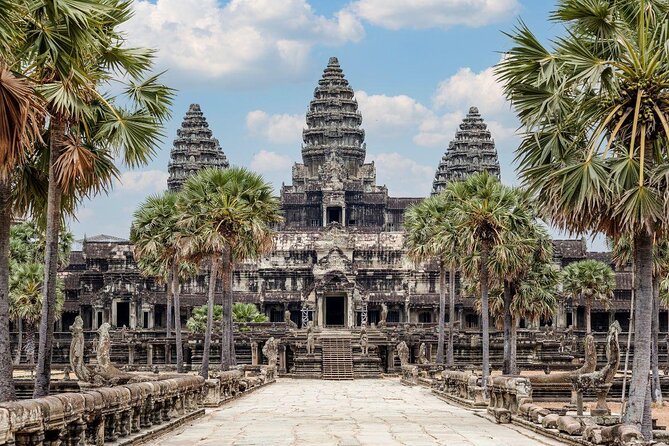
After lunch and a rest period, you ride to Angkor Wat. The temple receives about two hours, making it the longest named temple stop in the afternoon.
Angkor Wat is vast, carefully planned, and full of details that are easy to miss when you hurry. The complex is known for its scale, symbolism, galleries, towers, and religious importance. It is also the most famous stop on the route, so expect more activity here than on the connecting roads.
The cycling approach helps put the monument in context. You arrive after seeing Bayon’s faces and Ta Prohm’s tree-covered ruins, so Angkor Wat becomes part of a wider sequence rather than the entire day’s focus.
Two hours is enough for a meaningful visit, but it is not unlimited. If you want to inspect every gallery, linger over every carving, and take a long series of photographs, you may wish the stop were longer. The guide’s job is to keep the group moving, especially after a long ride and lunch.
Dress respectfully. Cambodia is conservative, and clothing covering your shoulders and knees is requested at the main temples, especially Angkor Wat. This is not only a comfort issue. Proper clothing shows respect at active religious sites and helps you avoid an awkward problem at the entrance.
Heat, fitness, and the 20 to 30 kilometer ride
The biggest decision is not the temples. It is the bicycle.
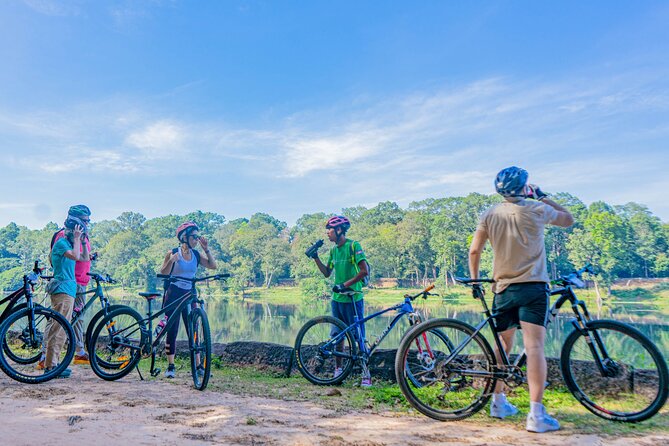
The stated distance is about 20 to 30 kilometers. That is reasonable for someone who cycles regularly, but it can feel demanding in hot, humid weather. One person described the weather as hot and humid even while rating the tour positively, and that is the warning worth taking seriously.
You do not need to be a racing cyclist. You do need to be comfortable spending much of a day on a bicycle, riding on mixed surfaces, and getting on and off repeatedly. You should also be able to walk through temple grounds after riding.
I would choose this tour if you enjoy active sightseeing and prefer a slower connection between major sites. I would think twice if you dislike heat, have trouble with moderate exercise, or want to spend the day moving at a very relaxed pace.
The experience provider also offers an E-Bike or Tuk Tuk option in the tour title, while the detailed inclusions describe a Trek mountain bike and helmet. If you specifically want an electric bicycle or a tuk tuk rather than a standard mountain bike, confirm the selected option before booking. The riding distance and effort may differ depending on what you choose.
What the guide adds, and where the experience can vary
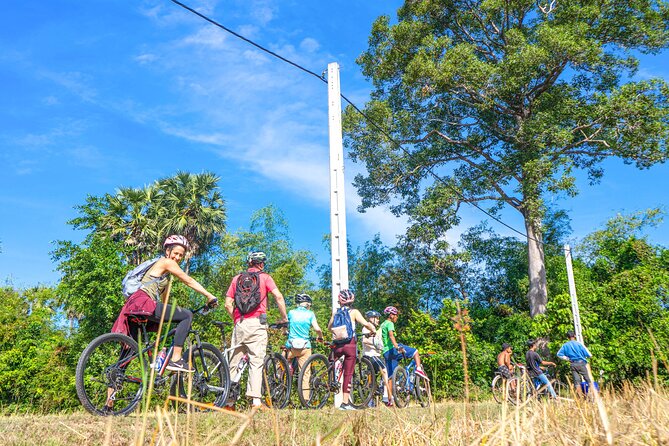
An English-speaking guide is included, and the guide is central to the tour’s value. Without one, cycling through Angkor can still be enjoyable, but you would lose much of the explanation about the gates, temples, carvings, layout, and symbolism.
Son is the guide name associated with the strongest comments. He has been described as well informed and flexible, with useful explanations about the temples. Those are exactly the qualities you want here: someone who can make the sites understandable and adjust the rhythm of the day.
Still, guiding is not identical on every departure. One outing was organized well but felt weaker when it came to explaining the temples and helping with photographs. If you want detailed architectural interpretation or lots of posed pictures, say so early and make your preference clear.
The group cap of 12 helps. A smaller group usually makes it easier to hear the guide, stop for questions, and maintain a reasonable pace. It does not guarantee a private experience, but it is a good middle ground between independence and personal guidance.
What to bring and how to prepare
Keep your packing simple, but get the important things right.
- Wear clothing that covers your shoulders and knees for the temples.
- Use comfortable shoes for walking on temple grounds.
- Bring sun protection suitable for a long outdoor day.
- Carry a small bag for personal items.
- Request a vegetarian lunch when booking if needed.
- Arrive ready for moderate physical activity, not just sightseeing.
The tour includes water and snacks, but personal preferences vary. If you know you drink a lot while cycling, carrying an additional bottle is sensible, though the supplied information does not specify refill points.
Hotel pickup and drop-off remove much of the morning hassle. Confirmation is provided at booking, and the scheduled start is 8:00 a.m. Free cancellation is available if you cancel at least 24 hours before the start time. Changes or cancellations inside that window are not accepted for a refund.
Is $55 good value for a day at Angkor?
For $55 per person, this is a useful package rather than simply a bike rental. You receive transport from your hotel, equipment, a guide, snacks, water, and lunch. You also get a planned route through four of the park’s best-known sights.
The value is strongest if you would otherwise need to arrange transport, rent a bicycle, find lunch, and research the temple route yourself. The price also buys a bit of structure. You can focus on riding and looking instead of sorting out every move between the monuments.
The price is less attractive if you already have a bicycle, your own transport, and a strong knowledge of Angkor. You will also need to add the temple admission cost, which is the main extra expense.
A rating of 5 from 124 reviews and a recommendation rate of 98 percent suggest a very strong overall record. I would read those figures as support for the basic organization and cycling format, not as a promise that every guide, meal, or weather condition will suit every person.
Should you book this Angkor cycling tour?
Book it if you want to see Angkor actively, prefer small groups, and like the idea of linking the temples by backroads rather than sitting in a vehicle. It is especially well suited to reasonably fit visitors who want fresh air, a guide, and a full day that includes both famous monuments and quieter stretches.
Choose another format if you want air-conditioned transport, a slow schedule, or extensive time at only one or two temples. Also confirm the E-Bike or Tuk Tuk choice if a standard mountain bike is not right for you.
For the best chance of a smooth day, request vegetarian food in advance, wear temple-appropriate clothing, check the bike at the fitting stop, and treat the 20 to 30 kilometer distance seriously. If those conditions suit you, this tour offers a practical and active way to meet Angkor.
FAQ
How long does the Angkor cycling tour last?
The tour lasts about seven hours, beginning at approximately 8:00 a.m.
How far do you cycle?
The stated riding distance is approximately 20 to 30 kilometers.
Which temples are included?
The route includes Bayon Temple, Ta Prohm Temple, and Angkor Wat. It also includes a stop at Srah Srang for lunch and a break.
Is lunch included?
Yes. A meal is included, and a vegetarian option is available if you request it when booking.
Are Angkor temple entrance fees included?
No. Admission fees to the Angkor temple complex are not included in the tour price.
What equipment is provided?
The tour includes a Trek mountain bike and helmet. Bottled water and snacks are also provided.
Is hotel pickup available?
Yes. Hotel pickup and drop-off are included.
Is the tour suitable for children?
Kid-sized bikes, tag-alongs, and child seats are available. The tour requires a moderate level of physical fitness, so consider the distance and heat when deciding if it suits your child.
More Tuk-Tuks in Siem Reap
- Siem Reap: Angkor Wat Private Tuk-Tuk Tour
4.9 · 2,222 reviews - Angkor Wat Private Tuk-Tuk Tour (sunrise Option) & more
5.0 · 439 reviews - Old Siem Reap Sunset Food Tour by Tuk-tuk
5.0 · 311 reviews - Siem Reap: Street Food Experience by Tuk-Tuk
4.9 · 310 reviews
More E-Bikes in Siem Reap
- Siem Reap Countryside Sunset Bike Tour / E-Bike or Tuk Tuk
5.0 · 173 reviews - Siem Reap Countryside Guided Tour by Bike and E-Bike Private Tour
5.0 · 157 reviews - Floating Village Bike & Boat Sunset / E-Bike Available
5.0 · 78 reviews - Angkor Wat Sunrise Tour By E-Bike Experience With Breakfast Included
5.0 · 76 reviews
Fresh reviews from around Siem Reap
- Full-Day Tour Preah Vihea & Koh Ker Temple 3.7 · 3 reviews
- Savor the Countryside: Tours with Authentic Cooking Classes” 5.0 · 3 reviews
- Angkor Grand Circuit Tour & Banteay Srei 5.0 · 3 reviews
- Guided Private Tuk Tuk Tour Angkor Wat and Small Circle and Five Extras 5.0 · 3 reviews
- Angkor Wat Sunrise TukTuk Tour 5.0 · 3 reviews
- Siem Reap Temple Tour 2-Day with Sunrise/Sunset 3.7 · 3 reviews
- Bangkok to Angkor Wat 2 Days 1 Night by Flight 4.5 · 3 reviews
- Kompong Pluk Tour 5.0 · 3 reviews
Cycling Tours, compared.
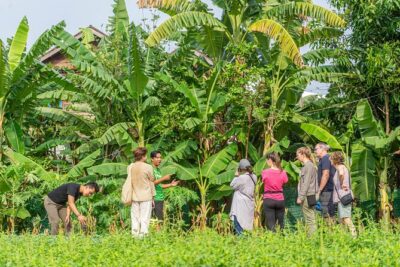
Siem Reap Countryside Sunset Bike Tour / E-Bike or Tuk Tuk
Read our review →Browse the lists this tour appears in