
Reviewed · ANGKOR TEMPLE TOURS
Highlight of Angkor Temples 6 Days Cambodia Tour
Angkor Wat at sunrise is the hook, but this six-day private trip gives you much more than one famous temple. You’ll move from the stone faces of Bayon and tree-covered Ta Prohm to floating homes on Tonle Sap and the waterfalls of sacred Phnom Kulen.
I like the private format, which lets your group set its own pace, and I like the broad mix of temples, rural life, religion, nature, and Khmer craft. The included hotel, breakfast, transport, guide, and entrance fees also make the $827.10 price easier to judge.
The main drawback is the early start and packed temple days. You’ll leave for Angkor Wat at 4:30 a.m., and several days involve long drives, walking, steps, heat, and a moderate level of fitness.
In This Review
- Key details that shape the trip
- Why the 4:30 a.m. Angkor Wat start matters
- Angkor Thom, Bayon, and the royal center
- Banteay Srei and the temple circuit on Day 3
- Tonle Sap and Kampong Phluk: a different Cambodia
- Phnom Kulen, sacred water, and mountain views
- Hotels, meals, vehicles, and guide support
- Is $827.10 a fair price?
- Who should book this six-day plan?
- Should you book it?
- FAQ
- Is this a private tour?
- How long does the tour last?
- Is airport pickup included?
- Which hotels are offered?
- Are meals included?
- Does the tour include entrance fees?
- What level of fitness is needed?
Key details that shape the trip
- Angkor Wat at 4:30 a.m.: You return to the hotel after sunrise for breakfast, then go back out to explore.
- A private six-day schedule: Only your group takes part, with airport pickup and a final airport transfer included.
- Three hotel levels: Choose a listed 3-star, 4-star, or 5-star property, each with daily breakfast.
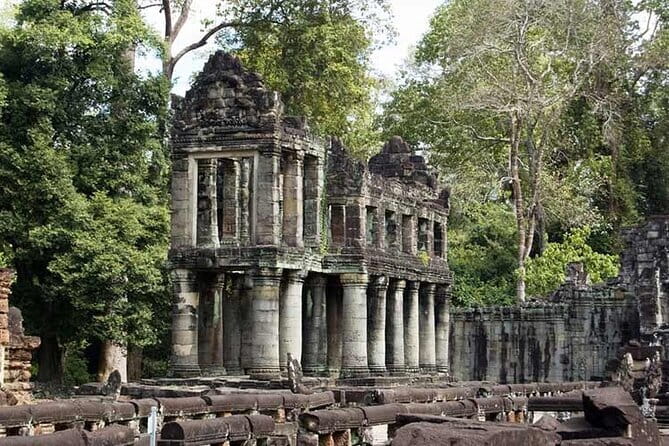
- Temples beyond Angkor Wat: Bayon, Ta Prohm, Banteay Srei, Preah Khan, Pre Rup, and smaller sites fill the program.
- Cambodia beyond the ruins: You visit Kampong Phluk floating village, Wat Preah Prom Rath, Artisans Angkor, and Phnom Kulen.
- Practical comforts: The package includes five breakfasts, private transport, entrance fees, and an English-speaking licensed guide.
Why the 4:30 a.m. Angkor Wat start matters
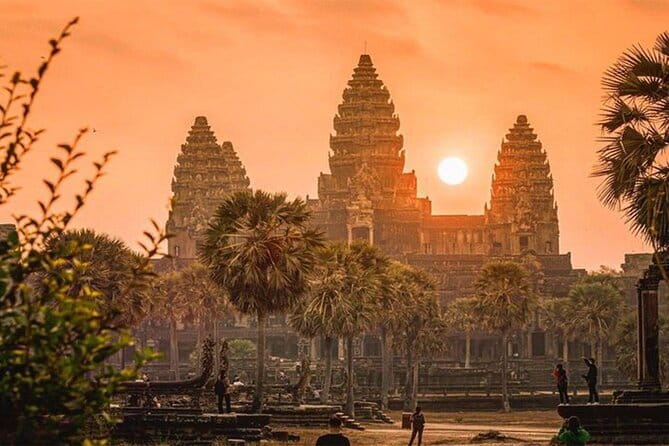
The first full day begins before dawn. Your guide and driver collect you at about 4:30 a.m. and take you to Angkor Wat for sunrise, one of the most memorable moments in the program.
You’ll first watch the sky brighten near the temple’s famous towers. Afterward, you continue through the Angkor Wat complex before returning to your hotel for breakfast. That split is useful: you get the cool early hours for sightseeing, then a proper meal and a short reset before more ruins.
I like this arrangement more than a sunrise visit followed by a nonstop morning. Still, the day is long. You should expect tired legs by afternoon, especially after several hours of stone paths, uneven ground, and temple steps.
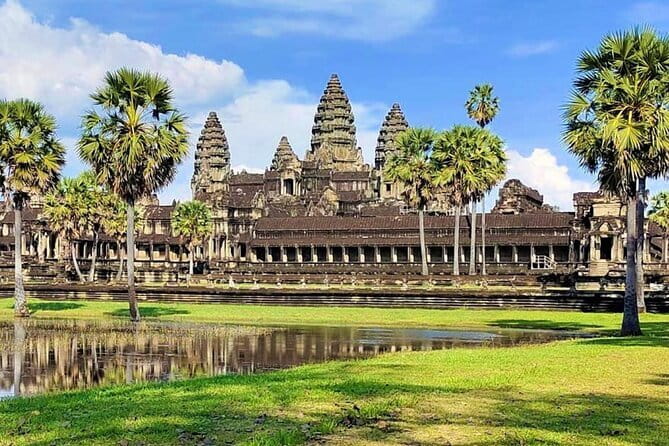
Angkor Wat is not just a photo stop. The scale of the galleries, courtyards, towers, and carved walls gives you a sense of how much planning went into the site. A guide adds value here because the buildings can otherwise blur together. Ask your guide to point out the layout, religious changes, and major carvings rather than rushing from one viewpoint to the next.
More Angkor temple itineraries:
- Angkor Wat Sunrise or Sunset Tour with Guide from Siem Reap
5.0 · 12,109 reviews - Siem Reap: Angkor Wat: Small-Group Sunrise or Sunset Tour
5.0 · 9,444 reviews - Siem Reap: Angkor Wat 2-Day Tour with Sunrise and Sunset
4.9 · 4,429 reviews
Angkor Thom, Bayon, and the royal center
After Angkor Wat, the route moves to Angkor Thom through its South Gate. This entrance is especially striking because many of the carved heads remain in place and the gate has received substantial restoration.
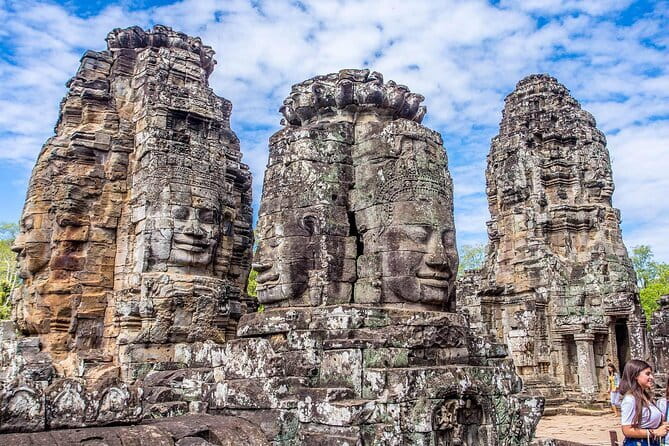
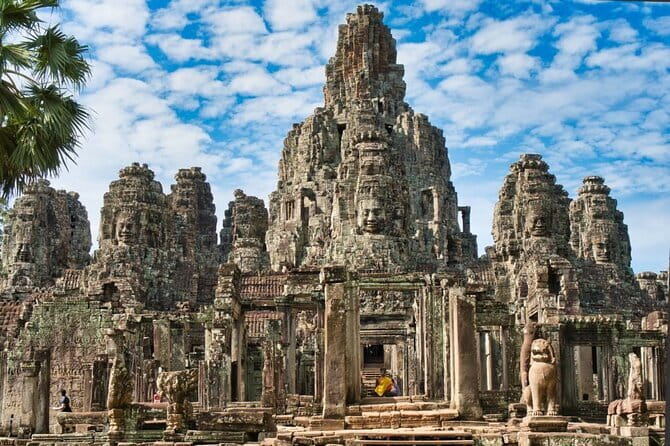
Bayon follows, and it has a very different mood from Angkor Wat. Its towers carry the famous serene faces, while corridors and galleries create a maze-like visit. Give yourself time to look up and around. The faces are the reason many people remember Bayon most clearly, but the close spaces and carvings reward patient viewing.
Baphuon is another major stop. The temple rises on a long sandstone base with several levels of similar size. You may find the climb more demanding than the short stops at the terraces, but it gives the morning more variety.
Phimeanakas, located near the center of the former Royal Palace area, is quieter and more restrained. The Terrace of the Elephants and Terrace of the Leper King are shorter visits, yet they help explain how royal power was displayed through carved stone, processions, and monumental public spaces.
The day ends at Ta Nei and Ta Prohm. Ta Nei is a smaller temple in a jungle setting and is less prominent than the headline sites. That makes it useful as a change of pace. Ta Prohm is the crowd favorite, with large roots spreading across walls and galleries. The trees are not a decoration added for visitors. They are part of the site’s current character, though the combination of roots, stones, and narrow passages can make walking slow.
Banteay Srei and the temple circuit on Day 3
Day 3 takes you farther from the central Angkor group. Banteay Srei is the star. Built from pink and reddish sandstone, it is known for fine carvings and a smaller scale than Angkor Wat or Bayon.
The detail here is the point. Door frames, figures, and decorative patterns are easier to study because the temple feels more intimate. It is also a longer drive from Siem Reap than the central temples, so the private vehicle matters.
Banteay Samre adds another Hindu temple from the Angkor period. It is less famous, but its layout and stonework help you see how different sites fit into the wider area.
Preah Khan brings you back to a much larger complex. King Jayavarman VII built it in the 12th century to honor his father. You’ll find long corridors, courtyards, carvings, and a greater feeling of exploration than at a compact temple.
Nearby Neak Pean is built on an artificial island in the Jayatataka reservoir. The setting is part of the appeal, though the visit may feel more like a short architectural stop than a full temple walk.
Eastern Mebon and Pre Rup belong to an earlier period. Eastern Mebon was built on an island in the now-dry East Baray, while Pre Rup is a brick, laterite, and sandstone temple mountain. Pre Rup’s levels and elevated position make it a fitting place to consider the older design of Angkor’s state temples.
This is another substantial day. The schedule gives you many sites, but you should not expect long, unhurried time at every one. If a particular temple matters most to you, tell the guide early so your group can use its private format well.
Tonle Sap and Kampong Phluk: a different Cambodia
Day 4 shifts from ancient stone to present-day life. After breakfast, you travel to Tonle Sap Lake, the largest lake in Southeast Asia, then take a boat through Kampong Phluk floating village.
The value of this visit is not a quick scenic cruise. You’ll see floating homes, schools, and a community shaped by the lake’s changing water levels. The boat ride gives you a look at daily life that temples alone cannot provide.
Kampong Phluk is some distance from Siem Reap, so the morning involves transport as well as time on the water. Conditions can change with the season, and the character of the village depends on water levels. The tour description does not promise a particular boat type or exact route, so ask your operator for current details before departure.
The afternoon returns to temple history with Bakong and Preah Ko. Bakong was the first sandstone temple mountain built by Khmer rulers at Angkor. Preah Ko was the first temple in the ancient city of Hariharalaya. Together, they show an earlier stage of Khmer temple design, before the best-known monuments of central Angkor.
Wat Preah Prom Rath gives you a living Buddhist site rather than an archaeological ruin. Its wall paintings date from the 17th century, and the visit adds a religious connection to modern Siem Reap.
Artisans Angkor completes the day with Khmer craft and job training. This social business creates work for young people from rural areas while reviving traditional skills. It is a more useful stop than a generic shopping break, though you should remember that purchases are separate from the tour price.
Other Siem Reap experiences to weigh up
- Cambodia Highlight 6 Days Tour from Siem Reap to Phnom Penh
5.0 · 40 reviews
Phnom Kulen, sacred water, and mountain views
Phnom Kulen National Park gives Day 5 a completely different rhythm. The mountain is important for its religious meaning, its role as a sandstone source for Angkor, and its early urban history.
The route includes the River of 1000 Lingas, where carved symbols are associated with the riverbed, although the supplied schedule does not assign a separate time block to this stop. You should confirm the exact walking plan with your guide.
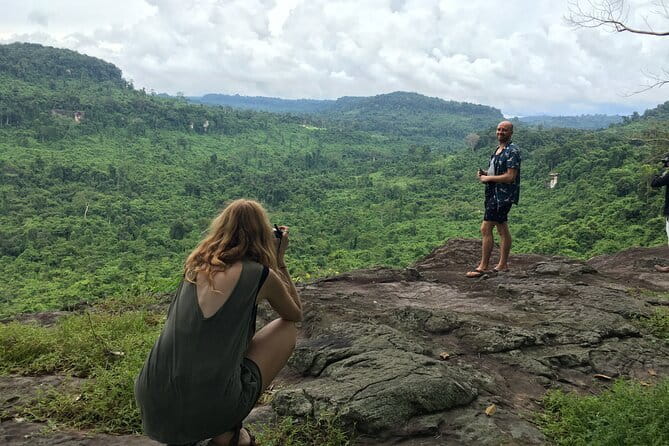
Poeng Ta Kho, also called Amazing Cliff, offers views across a canyon between mountain ranges. The stop is described as easy to reach from the main road, but the day still includes walking and uneven ground.
At Preah Ang Thom, you’ll see the 8-meter reclining Buddha carved into a large natural sandstone boulder. This remains an active sacred place, so dress and behave respectfully. The religious setting is as important as the size of the statue.
The waterfalls are the most hands-on part of the day. Phnom Kulen has two waterfalls, with the first about 5 meters high and 25 meters wide, and the second about 15 meters high and 15 meters wide. Many people come to swim in the river, but swimming should be treated as an option rather than an obligation. Bring suitable clothing if you plan to enter the water.
This excursion is a good reason to choose the six-day version instead of a temple-only program. It also adds driving time and physical variety, so it may not suit someone who wants a slow, hotel-based holiday.
Hotels, meals, vehicles, and guide support
The package offers a choice among Royal Crown Hotel & Spa at the 3-star level, Kulen Central Hotel at the 4-star level, and Angkor Paradise Hotel at the 5-star level, or similar properties. The exact assignment depends on the option you book, so check the hotel category and name before paying.
Five breakfasts are included. Other meals are not listed, which gives you freedom to choose lunch and dinner, but you should budget for them separately. The price also excludes tips and any expenses not specifically included.
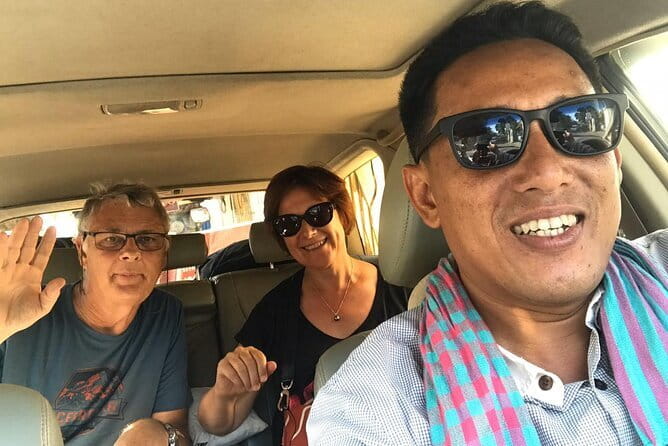
Private transport is a strong feature for this itinerary. You are not waiting for a large group, and your group can ask for short pauses when needed. Past guide and driver service connected with this operator has included clean vehicles, strong air conditioning, cold water, and frozen fresh towels. Those small comforts matter in Cambodia’s heat, especially on the long temple days.
The English-speaking licensed guide is central to the experience. Guide names associated with past programs include Sara, Leap, and Pietro, with drivers named Phiep and Ree. A specific guide is not guaranteed in the supplied details, so confirm the assignment if that matters to you.
Leap has been described as warm, considerate, experienced, and highly focused on guests. Sara has been noted for answering questions and taking photographs. Those details point to the kind of help you should request: explanations that fit your interests, practical pacing, and occasional photos of your group.
Is $827.10 a fair price?
At $827.10 per person, this is not a bargain-basement temple package. It covers six days, private transport, airport transfers, five nights of accommodation, five breakfasts, entrance fees, and an English-speaking guide.
The value depends heavily on the hotel category and the number of people in your group. A private trip costs more than joining a bus, but you receive a much broader program and avoid arranging separate transport to Phnom Kulen, Tonle Sap, and the distant temples.
You should compare the exact hotel option, group size, and exclusions before booking. Lunches, dinners, tips, shopping, and other unlisted expenses remain yours. The package is strongest for someone who wants one organized booking rather than several separate day trips.
Who should book this six-day plan?
I’d recommend it to a first-time Cambodia visitor who wants the major Angkor temples plus cultural and natural stops. It suits couples, families, and small private groups that value an adjustable schedule and door-to-door transport.
It is also a good fit if you want hotel choices. The 3-star option may help control costs, while the 4-star or 5-star choices offer a more comfortable base between long days out.
You should think twice if your main goal is slow temple photography. The program covers many sites, and some stops are brief. It also requires moderate physical fitness, early rising, walking, and time in a vehicle.
The cancellation terms are strict near departure. Full refunds require cancellation at least six full days before the start time, while cancellations two to six days ahead receive 50 percent. Less than two full days brings no refund, based on local time.
Should you book it?
Book this tour if you want a well-filled private introduction to Siem Reap, with Angkor Wat at sunrise, major and minor temples, Tonle Sap, local craft, and Phnom Kulen all in one plan.
Skip it if you dislike pre-dawn starts, packed sightseeing days, or organized hotel choices. Before booking, confirm your hotel category, guide assignment, transport details for Tonle Sap, and how much time your group can spend at its priority temples. For a first visit with limited time, the range is impressive and the included services make the price reasonable.
FAQ
Is this a private tour?
Yes. Only your group participates in the activity, with private transportation and an English-speaking licensed tour guide.
How long does the tour last?
The tour lasts approximately six days, beginning with airport pickup on Day 1 and ending with an airport transfer on Day 6.
Is airport pickup included?
Yes. A guide and driver meet you at Siem Reap Angkor International Airport with a welcome sign. The final transfer to the airport is also included, but it is provided without a tour guide.
Which hotels are offered?
The listed options are Royal Crown Hotel & Spa at the 3-star level, Kulen Central Hotel at the 4-star level, and Angkor Paradise Hotel at the 5-star level, or similar hotels.
Are meals included?
Five breakfasts are included. Other meals are not included in the stated package.
Does the tour include entrance fees?
Yes. The package includes all entrance fees listed as part of the tour.
What level of fitness is needed?
A moderate level of physical fitness is recommended. The program includes temple walking, steps, outdoor sightseeing, a Phnom Kulen excursion, and waterfall visits.
Fresh reviews from around Siem Reap
- Full-Day Tour Preah Vihea & Koh Ker Temple 3.7 · 3 reviews
- Savor the Countryside: Tours with Authentic Cooking Classes” 5.0 · 3 reviews
- Angkor Wat Sunrise TukTuk Tour 5.0 · 3 reviews
- Angkor Grand Circuit Tour & Banteay Srei 5.0 · 3 reviews
- Guided Private Tuk Tuk Tour Angkor Wat and Small Circle and Five Extras 5.0 · 3 reviews
- Siem Reap Temple Tour 2-Day with Sunrise/Sunset 3.7 · 3 reviews
- Bangkok to Angkor Wat 2 Days 1 Night by Flight 4.5 · 3 reviews
- Kompong Pluk Tour 5.0 · 3 reviews
Angkor Temple Tours, compared.

Angkor Wat Sunrise or Sunset Tour with Guide from Siem Reap
Read our review →



Angkor Wat Sunrise tour with Small – Group and Guide tours
Read our review →
Angkor Wat Highlights and Sunrise Guided Tour from Siem Reap
Read our review →
