
Reviewed · COUNTRYSIDE & VILLAGE TOURS
Authentic Siem Reap: Tuk Tuk Countryside and Sunset Tour
The best part of this four-hour outing is that it takes you beyond Siem Reap’s temples and into the daily work of rural Cambodia. You move by tuk tuk from a local market to a rice wine farm, then to a lotus workshop and the rice fields near Phnom Krom. I especially like the rice wine stop, where rice, fermentation, pigs, cows, and buffalo all fit into one practical farm system. The lotus farm also has a clear purpose: it supports local women and shows how a flower becomes textile fiber.
I like that the tour includes real food, not just explanations. You can try market snacks, freshly distilled rice wine, lotus tea, cake, and a meal with lotus dishes near the fields. Guides named Sarah, Ben, and Hong Ho have all led this experience, and English communication is an important part of the tour. The main drawback is the short four-hour schedule. You see several places, but some stops are introductory rather than slow, in-depth visits, and the countryside roads can be warm and dusty.
In This Review
- Key points to know before booking
- Why this countryside tour adds something to Siem Reap
- Starting at the local market
- Baskets, bamboo, and the spirit houses
- Understanding rice wine at a working farm
- The lotus farm and its women-led work
- Sunset beside the rice fields at Phnom Krom
- Guides, transport, and the pace of the afternoon
- What to bring and who should book
- My call on the $69 price
- Should you book this Siem Reap countryside tour?
- FAQ
- How long does the tour last?
- Where does pickup take place?
- What language does the guide speak?
- Is tuk tuk transportation included?
- What food and drinks are included?
- Is the lotus farm visit included?
- Can I try rice wine on the tour?
- What should I bring?
- Is the tour suitable for wheelchair users?
Key points to know before booking
- The tour begins at street level: A local market shows how people buy produce and organize everyday meals.
- Rice is the thread running through the afternoon: You learn how rice becomes food, wine, and animal feed.
- The lotus workshop has a social purpose: The farm provides work for local women and promotes lower-impact production.
- Tuk tuk travel is part of the experience: The ride gives you open views of village roads and farms between stops.
- Sunset comes with food: You sit on a traditional mat near Phnom Krom and sample local dishes, including lotus-based food.
- This is a culture tour, not a temple tour: It suits a second or third day in Siem Reap, after you have seen Angkor.
Why this countryside tour adds something to Siem Reap
Siem Reap is famous for Angkor, and rightly so. But temple visits tell only part of the Cambodian story. This tour gives you a look at farming, food, craft work, household beliefs, and small-scale enterprise outside the main tourist zone.
I like the way the afternoon follows ordinary life rather than a grand historical theme. You start with shopping, then see household objects, farm production, and local food. By sunset, the separate pieces begin to make sense. Rice supports meals and livestock. Lotus plants provide food, tea, religious meaning, and textile material. The market connects these products to daily life.
Your hotel pickup in Siem Reap keeps the tour simple. An English-speaking guide meets you, introduces the plan, and joins you in the tuk tuk. The ride is not simply transport between attractions. It is part of the sightseeing, with countryside views and a closer sense of distance than you get from an air-conditioned vehicle.
The tour costs $69 per person. That is not the cheapest way to spend an afternoon in Siem Reap, but the price includes hotel pickup and drop-off, tuk tuk transport, an English-speaking guide, snacks, drinks, food tastings, entrance fees, and taxes. If you value explanation and several small food experiences, the package offers fair value. If you mainly want a quick sunset ride, you could spend less elsewhere.
More countryside rides around Siem Reap:
- Sunset tour of Kampong Phluk stilts home village on the Tonle Sap
5.0 · 4,865 reviews - Tonle Sap Lake & Kampong Phluk Village Half-Day Tour
5.0 · 1,045 reviews - Siem Reap Countryside Bike Tour / E-Bike or Tuk Tuk
5.0 · 935 reviews
Starting at the local market
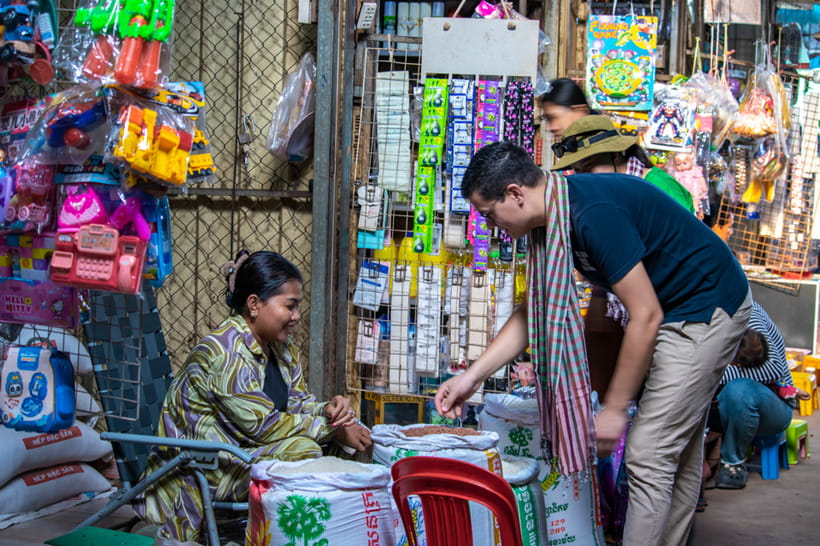
The first stop lasts about 30 minutes and introduces you to a working market in Siem Reap. This is not presented as a grand attraction. That is exactly why it matters.
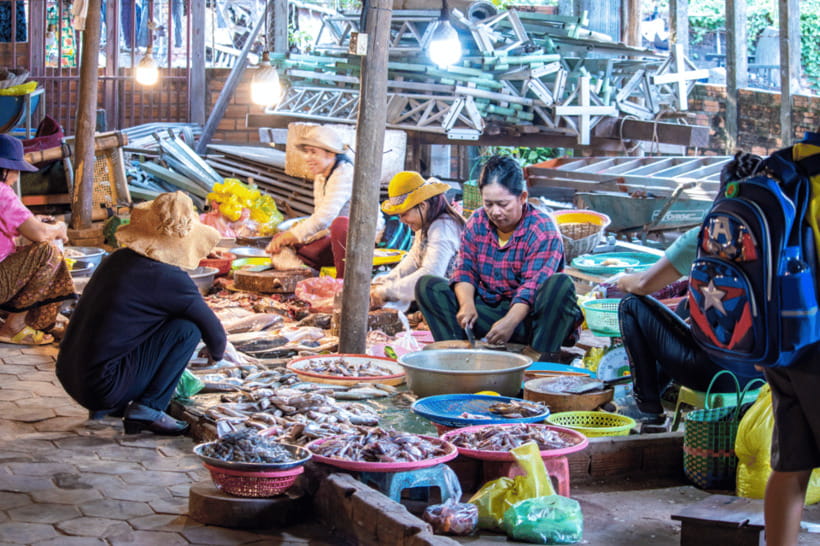
Your guide explains how the market functions, where local produce comes from, and how crops are cultivated. You learn how families shop for everyday food and how changing supermarket habits affect local customs and ideas about a healthy diet.
I find market visits most useful when you have someone who can explain what you are seeing. Without a guide, a Cambodian market can look like a blur of produce, packaged goods, cooking supplies, and unfamiliar snacks. With an explanation, you can connect the stalls to farms and family meals.
You may also shop for picnic food during this part of the afternoon. One stop included freshly made fried banana, which gives you a chance to try something warm and local rather than relying only on familiar tourist food.
Expect a short walking visit, not a long cooking lesson. The market can be crowded or hot, and the emphasis is on observation and context. Wear comfortable shoes, carry water if you need it, and keep small personal spending money handy.
Baskets, bamboo, and the spirit houses
The next visit, listed around Wat Athwear Road, takes about 20 minutes. You see a local basket shop and learn how bamboo, wood, and other materials are used for cooking tools, storage, decoration, religious objects, and household goods.
This is a useful stop because it shows the practical side of Cambodian craft. A basket is not just a souvenir. Depending on where it is made, you may find different forms and uses. The visit also gives you a chance to buy something, but shopping is not the only point.
Your guide explains the small spirit houses placed near local homes. These familiar structures can be easy to overlook as you ride through the countryside. Learning why they appear at the front of houses adds a layer of meaning to the village views.
The visit is brief, so do not expect a full workshop where you watch an entire basket being made from start to finish. Think of it as a compact introduction to household craft and belief. It works best for people who enjoy seeing how ordinary objects fit into local culture.
Understanding rice wine at a working farm
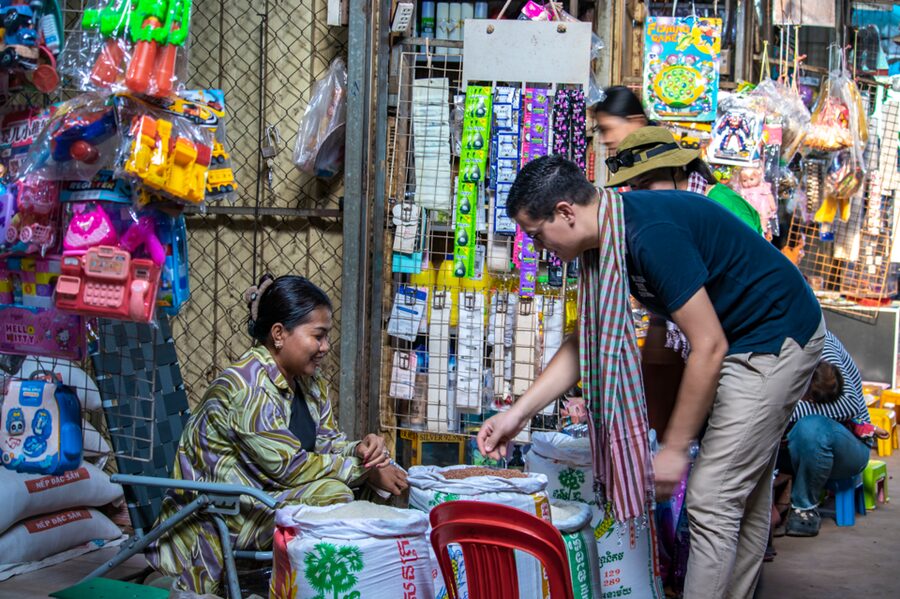
The rice wine stop near Wat Po Banteaychey is the most informative part of the tour for many visitors. It lasts about 30 minutes and looks at how rice is grown, fermented, and distilled into a local drink.
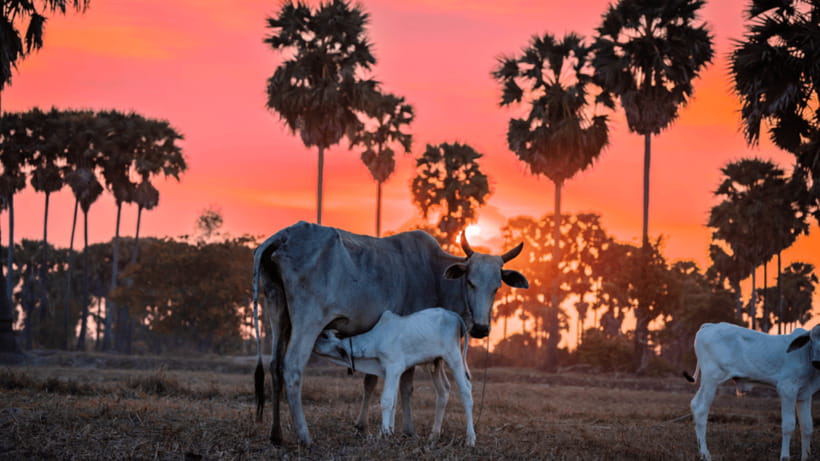
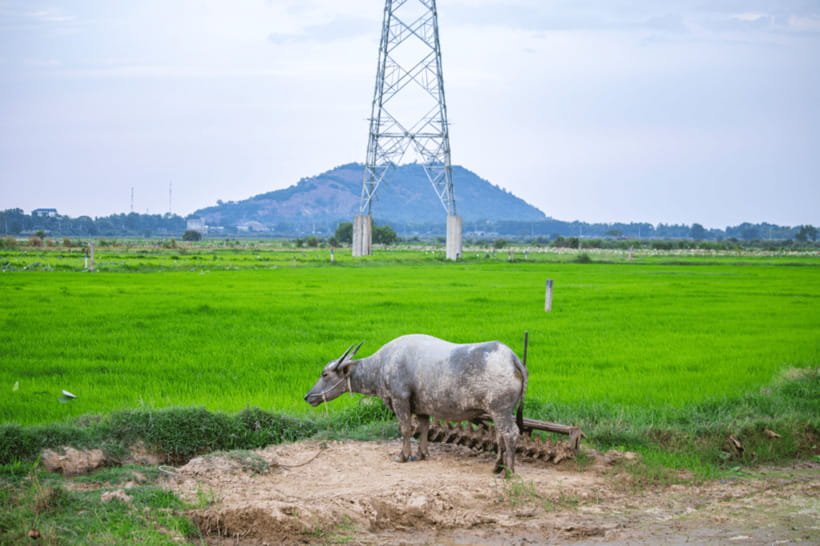
The useful lesson here is the circular use of farm resources. Rice grown by the household is used in production. After fermentation, the leftover rice is used to feed pigs. The stop also brings in the role of cows and buffalo in farm life, giving you a wider picture than a simple tasting session.
You can taste local snacks and freshly distilled rice wine. If you do not drink alcohol, you can still follow the process and enjoy the food. The tour description does not promise a large meal at this stage, so treat the tasting as part of the lesson rather than a replacement for lunch.
This visit helps explain why rice is so central to Cambodia. It is food, an economic product, part of family work, and a base for other household goods. I appreciate that the tour shows production in a small rural setting instead of presenting rice as an abstract cultural symbol.
The stop may feel basic if you are expecting a polished distillery or a formal museum. That is also its strength. You see a local process linked to a real farm system. Shoes that can handle uneven ground are a wise choice.
Other Siem Reap experiences to weigh up
- Siem Reap: Angkor Wat Private Tuk-Tuk Tour
4.9 · 2,222 reviews - Angkor Sunrise Bike Tour / E-Bike or Tuk Tuk
5.0 · 615 reviews - Angkor Wat Private Tuk-Tuk Tour (sunrise Option) & more
5.0 · 439 reviews - Old Siem Reap Sunset Food Tour by Tuk-tuk
5.0 · 311 reviews
The lotus farm and its women-led work
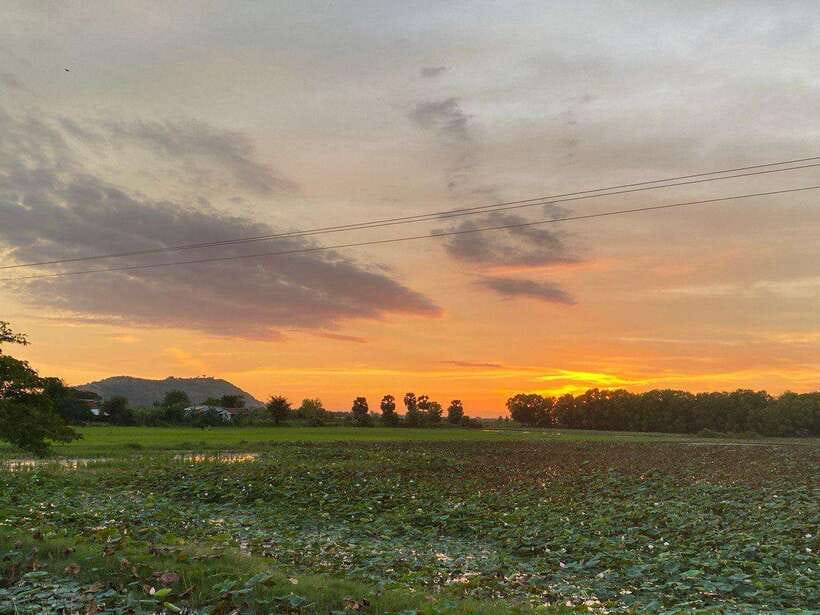
The lotus farm is scheduled for about an hour, making it the longest single stop before the sunset portion. Here you learn about the lotus plant as food, religious symbol, and source of textile fiber.
The most surprising detail is the plant’s ability to become an environmentally friendly textile. The tour explains how lotus fiber can be turned into material, while the social enterprise provides work for local women. The project also promotes environmentally conscious energy use.
This gives the visit more weight than a standard photo stop. You are not only looking at lotus ponds or buying a product. You are learning how a local plant connects farming, Buddhist belief, handicraft, employment, and responsible production.
The upper-floor tea lounge is a pleasant part of the stop. You can have freshly brewed lotus tea and local cake while looking across the surrounding countryside. The 360-degree view gives you time to slow down after the more hands-on market and farm visits.
The lotus workshop received especially strong praise from the people who booked this experience, and I can see why. It combines a pretty setting with a practical social purpose. Still, keep your expectations realistic. The information supplied does not specify the exact length of a textile demonstration or guarantee a particular item in stock, so the focus is learning and tasting, with shopping available at the farm and shop.
Sunset beside the rice fields at Phnom Krom
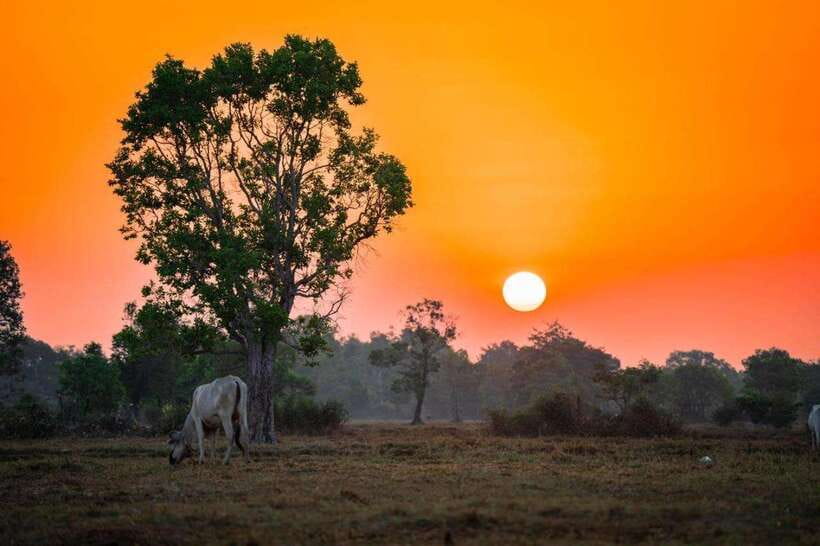
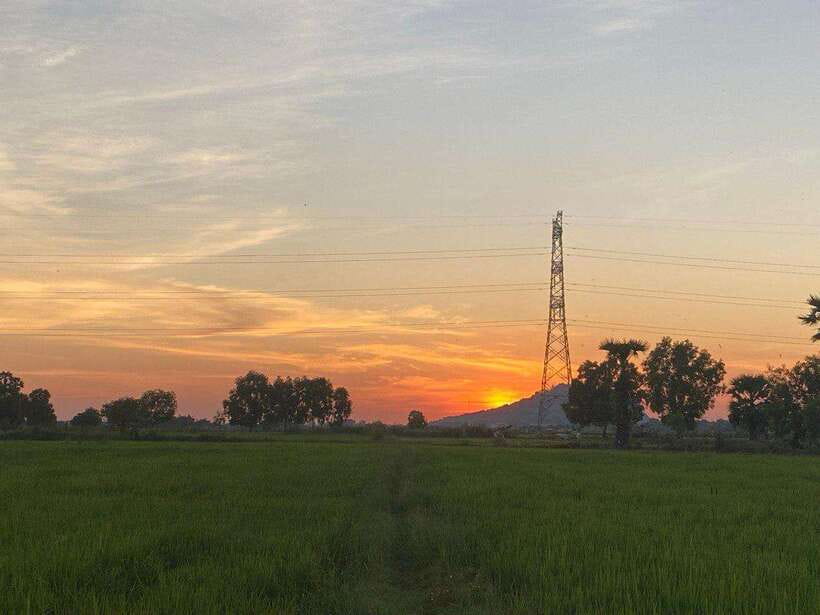
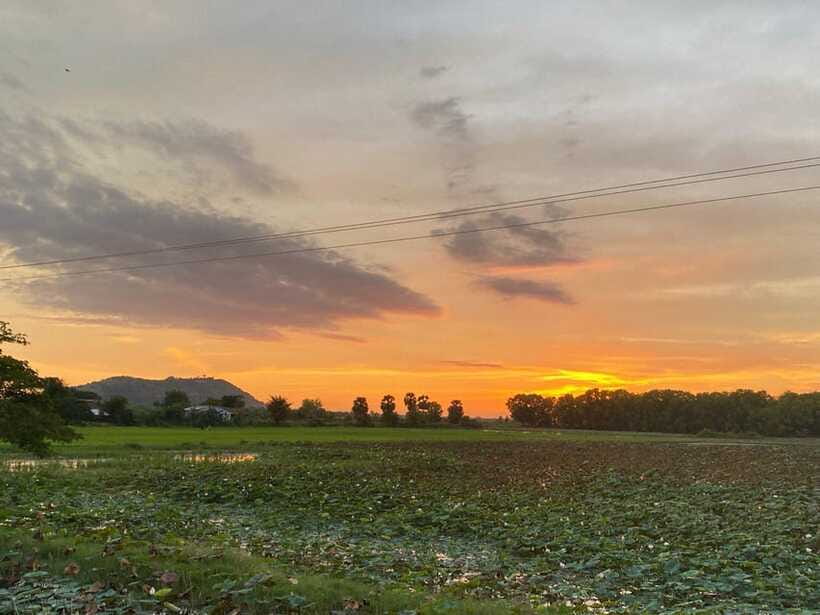
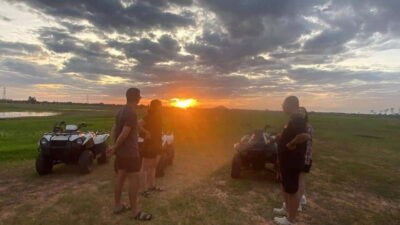
The final major stop is Phnom Krom, where you spend about an hour and a half on a traditional mat near the rice fields. This is the quietest portion of the afternoon and the point where the tour shifts from visits and explanations to simply watching the light change.
You enjoy views of the countryside while the guide arranges local snacks and food from a nearby restaurant. Lotus dishes are part of the tasting, giving the plant one final role in the day. Earlier, you saw lotus as a textile and religious symbol. Here, you taste it.
The sunset is weather dependent, of course. One outing ended just before a thunderstorm, which is a useful reminder that Cambodia’s late-day skies can change quickly. Bring a camera, but do not let the perfect photograph become the whole purpose of the stop. The mat, food, and open setting are what make it feel different from a viewpoint crowded with buses.
The location is described as near rice fields, not as a formal sunset platform with facilities. You should be ready for basic conditions. Comfortable clothing, sunglasses, sunscreen, a hat, and insect repellent will make the final stop easier.
After the sunset and food, the tuk tuk takes you back to your hotel. The return ride adds more countryside views, though darkness may limit what you can see.
Guides, transport, and the pace of the afternoon
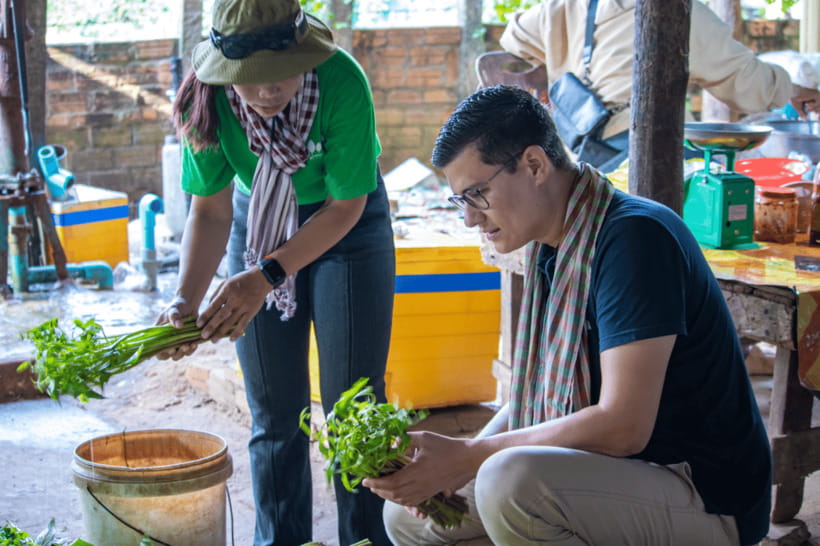
The tour includes a professional English-speaking guide and tuk tuk transport. Guide quality matters here because much of the value comes from explanation. Sarah has been described as fun and informative, Ben as particularly strong in English and good at explaining Cambodia, and Hong Ho as warm and generous with stories about her country. One booking also included a driver named Mrs. Mom.
Names and assignments can change, so you cannot assume you will receive one specific guide. You can ask for Sarah, Ben, or Hong Ho when booking, but the supplied information does not promise a particular person.
The tuk tuk gives you fresh air and a clear view of the roads. It also means you are exposed to sun, heat, dust, and occasional bumps. For a short countryside tour, I prefer this to sitting behind closed windows because the ride helps you notice village life between the stops.
The schedule is compact:
- Market visit: about 30 minutes
- Basket shop: about 20 minutes
- Rice wine farm: about 30 minutes
- Lotus farm and shop: about 1 hour
- Phnom Krom sunset and food: about 1.5 hours
Those timings explain the character of the experience. You receive a broad look at rural life, with the lotus farm and sunset getting the most time. If you want long conversations with farmers or a detailed craft lesson, you may find the visits too short. If you want several well-chosen introductions in one afternoon, the pacing works well.
What to bring and who should book
Wear light, comfortable clothes and shoes suitable for walking. Sunglasses, a hat, sunscreen, and insect repellent are sensible choices. A camera is worthwhile for the lotus farm, road scenes, food, and sunset.
Bring some cash for personal expenses. Personal purchases are not included, even though food tastings, drinks, fees, and transport are covered.
This tour suits you best if you:
- Have already seen, or plan to see, the main temples
- Want rural Cambodia explained rather than simply photographed
- Enjoy tasting unfamiliar snacks and local drinks
- Prefer a small-scale cultural outing to a large attraction
- Are comfortable riding in a tuk tuk for several hours
- Like craft, farming, food, and community projects
It is not suitable for wheelchair users, and the activity is not intended for people over 95. The operator asks you to be ready at your hotel on time, so provide the correct hotel name and address when booking or at least a day before departure.
The tour allows cancellation up to 24 hours before departure for a full refund, and you can reserve now and pay later. Those policies are useful if your Siem Reap schedule is still shifting.
My call on the $69 price
At $69, this is a full afternoon of guided access, not just a tuk tuk transfer to a sunset spot. You pay for a guide who interprets the market and farm work, transport from your hotel, several tastings, a lotus workshop, sunset food, and the return ride.
The value is strongest if you would otherwise need to arrange several separate rides and figure out the countryside stops yourself. The guide also helps turn small details, such as rice leftovers feeding pigs or spirit houses outside homes, into useful cultural information.
The value is weaker if you want a private farm visit with lots of unhurried time. The experience covers several stops in four hours, and the market, basket shop, and rice wine farm are short visits.
Should you book this Siem Reap countryside tour?
I would book it as a break from Angkor, especially on your second or third day in Siem Reap. The rice wine farm and lotus workshop are the strongest reasons to go. The market adds daily life, while the mat-side sunset and lotus dishes give the afternoon a calm finish.
Choose it if you want food, farming, craft, and conversation. Skip it if you dislike tuk tuk rides, prefer a tightly scheduled temple day, or need fully accessible transport.
For most visitors who want to see more than Siem Reap’s famous monuments, this is a well-shaped half-day outing. Ask about guide availability when you reserve, arrive ready for the heat, and leave room for the countryside to be simple rather than polished.
FAQ
How long does the tour last?
The tour lasts four hours, including hotel pickup, countryside visits, sunset time, food tastings, and the return to your accommodation.
Where does pickup take place?
Pickup is from your hotel in Siem Reap Province. You need to provide the hotel name and address when booking or at least one day before the tour.
What language does the guide speak?
The live guide speaks English.
Is tuk tuk transportation included?
Yes. Hotel pickup and drop-off, along with transportation by tuk tuk, are included in the price.
What food and drinks are included?
The tour includes local snacks and drinks, local food tastings, freshly brewed lotus tea, local cake, freshly distilled rice wine, and lotus dishes near Phnom Krom.
Is the lotus farm visit included?
Yes. The lotus farm and shop visit lasts about one hour and includes information about lotus textile production, Buddhist symbolism, local women’s employment, and environmentally responsible practices.
Can I try rice wine on the tour?
Yes. The rice wine farm visit includes a chance to try freshly distilled local rice wine and local snacks.
What should I bring?
Bring comfortable shoes, comfortable clothing, sunglasses, a camera, insect repellent, sunscreen, and possibly a hat. Some cash is recommended for personal expenses.
Is the tour suitable for wheelchair users?
No. The activity is not suitable for wheelchair users. It is also listed as unsuitable for people over 95 years old.
More Evening Experiences in Siem Reap
- Angkor Wat Sunrise or Sunset Tour with Guide from Siem Reap
5.0 · 12,109 reviews - Siem Reap: Angkor Wat: Small-Group Sunrise or Sunset Tour
5.0 · 9,444 reviews - Siem Reap: Angkor Wat 2-Day Tour with Sunrise and Sunset
4.9 · 4,429 reviews - Siem Reap: Full-Day Angkor Wat Guided Tour with Sunset
4.9 · 3,803 reviews
Fresh reviews from around Siem Reap
- Full-Day Tour Preah Vihea & Koh Ker Temple 3.7 · 3 reviews
- Savor the Countryside: Tours with Authentic Cooking Classes” 5.0 · 3 reviews
- Angkor Wat Sunrise TukTuk Tour 5.0 · 3 reviews
- Angkor Grand Circuit Tour & Banteay Srei 5.0 · 3 reviews
- Guided Private Tuk Tuk Tour Angkor Wat and Small Circle and Five Extras 5.0 · 3 reviews
- Siem Reap Temple Tour 2-Day with Sunrise/Sunset 3.7 · 3 reviews
- Bangkok to Angkor Wat 2 Days 1 Night by Flight 4.5 · 3 reviews
- Kompong Pluk Tour 5.0 · 3 reviews
Countryside & Village Tours, compared.
Sunset tour of Kampong Phluk stilts home village on the Tonle Sap
Read our review →
Browse the lists this tour appears in