
Reviewed · ANGKOR TEMPLE TOURS
Angkor Wat Sunset Tour
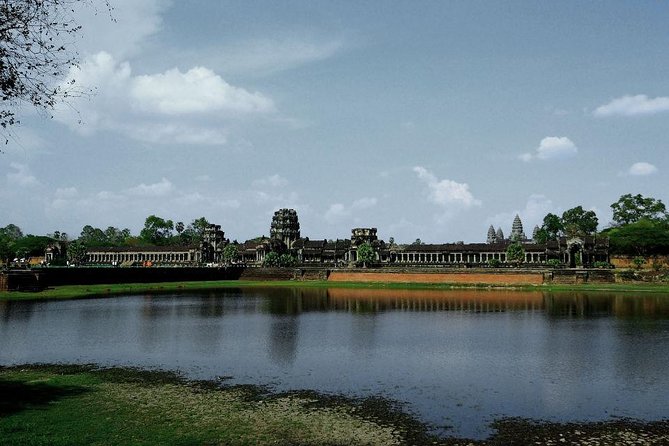
Angkor Wat is only the beginning. This full-day tour takes you from the grand towers of the main temple to Ta Prohm’s tree-covered ruins, the stone faces of Bayon, and a sunset viewpoint on Phnom Bakheng. Guides such as Sok Chea, Sarak, Kiss, and Yuth have earned praise for clear explanations and sharp photo advice.
I like the small-group feel, when numbers are low, and the steady supply of cold water and towels is a real help in Cambodia’s heat. I also like the way the route brings together the three temples most people hope to see, rather than spending the whole day at Angkor Wat alone.
The main drawback is the length. Ten hours in the sun, with plenty of walking and some steep steps, can wear you down. The advertised $18 price also excludes the $37 Angkor Pass and lunch, so your real day cost is higher.
In This Review
- Key points to know before you book
- Why this route works for a first day at Angkor
- The morning begins at Angkor Wat
- A midday pause at Srah Srang
- Ta Prohm brings the jungle atmosphere
- Angkor Thom explains the royal city
- Bayon’s stone faces are the afternoon highlight
- Phnom Bakheng is a sunset finish, not a quick stop
- What the guide and driver add
- Heat, clothing, and walking advice
- Booking value, flexibility, and the real cost
- Should you book the Angkor Wat Sunset Tour?
- FAQ
- How long does the Angkor Wat Sunset Tour last?
- What temples are included?
- Is the temple entrance fee included?
- Is lunch included?
- Is hotel pickup included?
- What language does the guide speak?
- What should I wear to the temples?
- Is the tour suitable for wheelchair users or young children?
Key points to know before you book
- Five major Angkor sites in one day: Angkor Wat, Srah Srang, Ta Prohm, Angkor Thom, Bayon, and Phnom Bakheng form a busy but sensible first look at the temple complex.
- The guide makes the difference: Guides including Sok Chea, Sok Chea’s fellow guide Sok Chea, Sarak, Kiss, Yuth, Chhay, and Saroun have been praised for history, humor, and help with photographs.
- Cooling stops are built into the day: The driver brings cold bottled water and cool towels back to the van after temple visits.
- Sunset requires patience: Phnom Bakheng can mean an uphill walk, a climb, and an early wait for a good viewing place.
- Budget carefully: The tour costs $18 per person, but the one-day Angkor Pass costs another $37, and lunch is not included.
- Dress and footwear matter: Your shoulders and knees must be covered, and comfortable shoes will make the long day much easier.
Why this route works for a first day at Angkor
The ancient Angkor complex covers far more ground than any one day can explain. This route gives you a useful sweep: a state temple built on a giant scale, a royal city, a temple filled with carved faces, and ruins where trees have become part of the architecture.
That variety matters. Angkor Wat can feel formal and carefully planned. Ta Prohm feels tangled and atmospheric. Bayon is puzzling and intimate, despite its huge stone faces. By the end of the day, you have seen several different ideas of Khmer power and worship instead of a row of similar ruins.
The price is attractive for anyone traveling alone or on a tight budget. At $18, transport and an English-speaking guide cost less than arranging several separate rides. Add the $37 temple pass and you are at $55 before lunch, but that still buys a long day with hotel pickup, transport, commentary, water, and towels.
I would treat the low tour price as a useful entry point, not the final cost. You are paying for the pass separately on the day, and lunch at the local Khmer restaurant is also your responsibility.
More Angkor temple itineraries:
- Angkor Wat Sunrise or Sunset Tour with Guide from Siem Reap
5.0 · 12,109 reviews - Siem Reap: Angkor Wat: Small-Group Sunrise or Sunset Tour
5.0 · 9,444 reviews - Siem Reap: Angkor Wat 2-Day Tour with Sunrise and Sunset
4.9 · 4,429 reviews
The morning begins at Angkor Wat
Pickup is from your hotel in Siem Reap, with the listed meeting point at 57 2 Thnou Street. The drive to the temple area takes about 20 minutes in the air-conditioned van, though the exact pickup time is arranged around the tour schedule.
Angkor Wat receives about two hours. That is enough to see the central features and hear the main stories, but not enough to inspect every corridor at leisure. Your guide explains the carvings, the temple’s design, and less obvious corners that are easy to pass without context.
The first sight is powerful because of the scale. Long galleries, towers, courtyards, and pools create a carefully ordered plan. The carvings reward a slower look, but the heat and the day’s later stops mean you will need to make choices.
This is where a good guide earns the fee. Several guides used by the operator, including Sok Chea, Sok Chea, Sarak, and Yuth, have been praised for explaining both the temples and Cambodian customs in clear English. Some also point out where to stand for photographs and help take pictures for solo visitors.
Do not expect a quiet private visit. Angkor Wat is the main draw, and the site can be busy. The benefit of a guided group is that you do not have to work out the basic route or meaning of the carvings on your own.
A midday pause at Srah Srang
The schedule allows about an hour around Srah Srang for lunch, drinks, and free time. The meal is not included, so bring cash and expect to choose from local food, including meat and vegetarian options.
This pause is more important than it may sound. A ten-hour temple day needs a proper break, not just a quick snack beside a doorway. You can sit down, eat fruit, have coffee or tea, and get out of the strongest midday sun for a while.
The exact dining experience can vary, but one past group found the lunch stop pleasant and air-conditioned. Do not assume the meal is part of the tour price, and do not count on a long leisurely restaurant visit. The afternoon still has several stops to cover.
Srah Srang itself is a reservoir linked with the Angkor complex. On this trip, it functions mainly as a rest stop rather than the central historical focus. That is a fair trade on a packed day, since your energy is better saved for Ta Prohm and Bayon.
Ta Prohm brings the jungle atmosphere
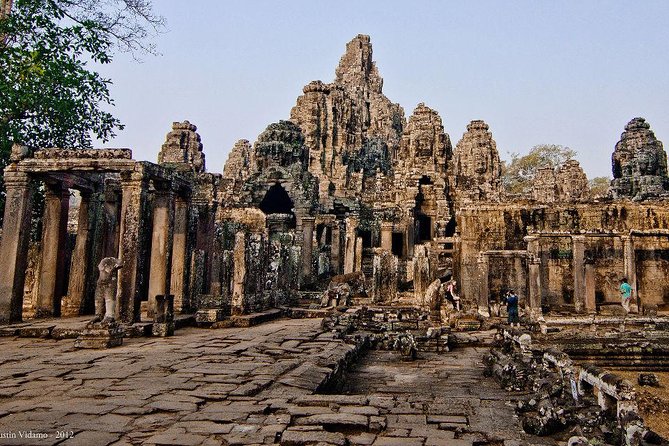
Ta Prohm gets about an hour, with a guided walk through the ruins. This is the stop with the strongest sense of nature reclaiming old stone. Large tree roots cross walls and doorways, and the temple’s broken forms create a very different mood from Angkor Wat’s ordered grandeur.
The nickname Tomb Raider Temple helps explain its appeal, but the site deserves more than a film reference. Your guide can point out the layout, carvings, and restoration work, while you look for the places where roots and masonry meet.
One hour is enough for a focused visit, especially if you follow the guide’s route. It is not enough to wander every corner or wait at every photo spot. If photography is a priority, tell the guide early. Guides praised in past groups, including Sarak, Sok Chea, and Chhay, have been especially helpful with positioning and group pictures.
Ta Prohm can also be awkward underfoot. Expect uneven stone and plenty of walking. Wear shoes with a firm sole, and keep insect repellent handy, as the information for this activity specifically recommends it.
Other Siem Reap experiences to weigh up
- Sunset tour of Kampong Phluk stilts home village on the Tonle Sap
5.0 · 4,865 reviews - Siem Reap: Full-Day Angkor Wat Guided Tour with Sunset
4.9 · 3,803 reviews - Angkor Wat Sunset Small Group Tour with Lunch Included
5.0 · 3,059 reviews - Angkor 2-Day Sunset & Sunrise Small-Group Tour
5.0 · 2,567 reviews
Angkor Thom explains the royal city
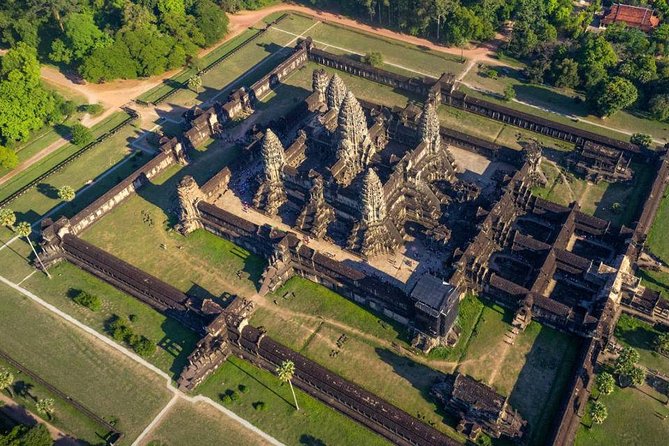
The next stop is Angkor Thom, the former royal city of the Khmer Empire. The visit includes about 30 minutes and may involve both walking and a short bus transfer.
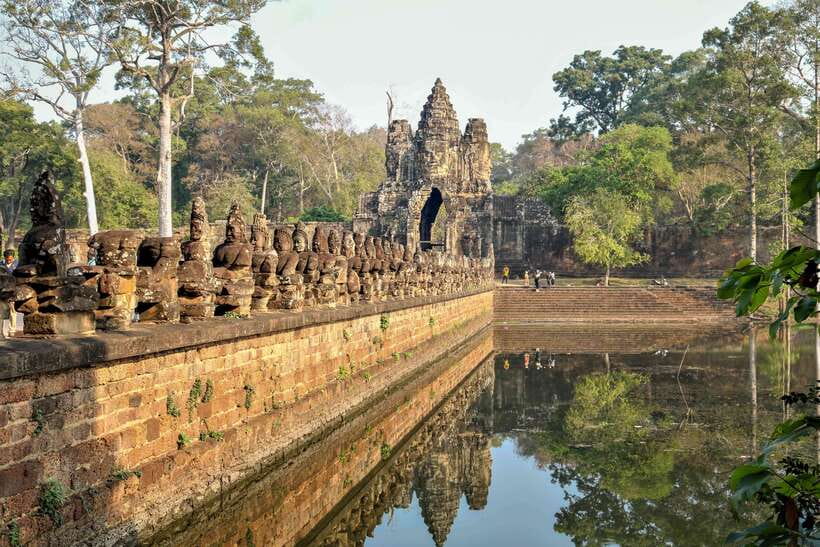
Angkor Thom is not simply another isolated temple. It helps you understand the scale of the city that once surrounded the monuments. Gates, walls, roads, and temple buildings show that Angkor was a planned center of power, not a handful of ruins scattered in the forest.
Thirty minutes is a short introduction. You will not examine every part of the royal enclosure, but the stop gives your guide a useful place to explain how the city worked. This broader setting makes Bayon more meaningful when you arrive there next.
The group format keeps the route moving, but it also means meeting times matter. One past group lost time waiting for people who stayed behind for extra photographs. You can take pictures, but keep an eye on the guide and return when asked. A late group member can shorten everyone else’s time at the next temple.
Bayon’s stone faces are the afternoon highlight
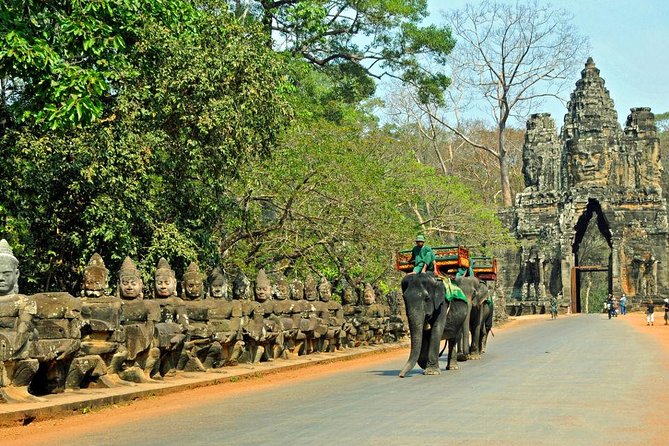
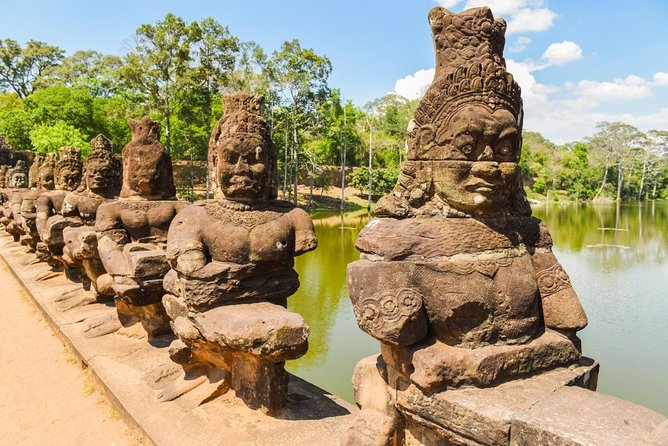
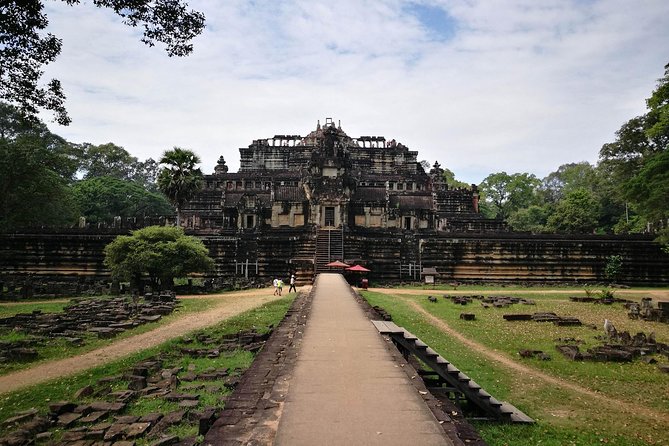
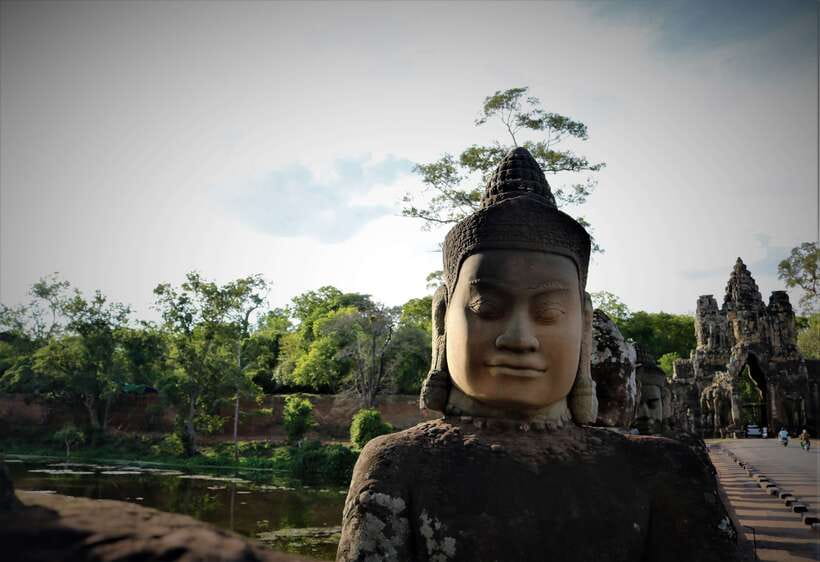
Bayon receives about an hour, and I would use it well. The temple is famous for its many serene carved faces, often described as more than 200. They look out from towers and corners, producing a strange feeling that the building is watching you from every direction.
This is a place where a guide’s explanation adds real value. The faces are not just a collection of attractive images. Their arrangement, scale, and relationship to the temple plan are easier to appreciate when someone explains what you are seeing.
Bayon is also visually confusing at first. Narrow passages, stacked stone, and changing views can make it hard to form a clear picture of the whole building. The guide helps connect those pieces and points out good places for photographs.
An hour gives you time for a guided circuit and some independent looking. It remains another hot walking stop, so use the return to the van as a chance to cool down. The driver supplies bottled water and a cool towel, a small service that becomes increasingly welcome as the day goes on.
Phnom Bakheng is a sunset finish, not a quick stop
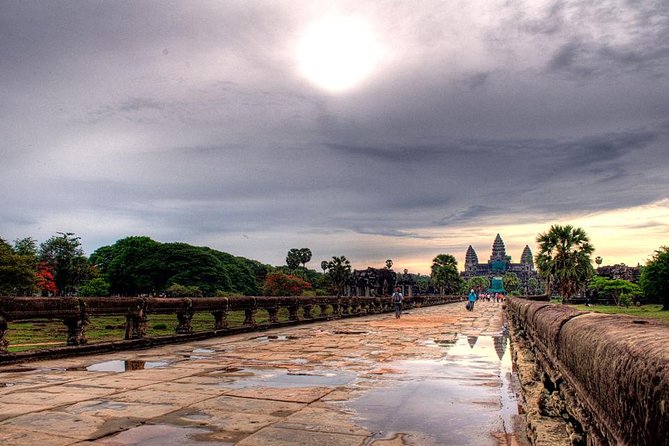
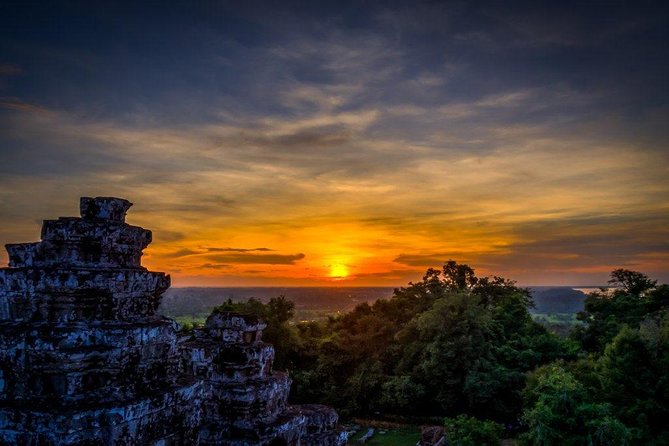
The day ends at Phnom Bakheng, reached after about 20 minutes by van and an uphill approach. You should expect a climb and stairs. The dress code still applies, so covered shoulders and knees are required even if the temperature is high.
The reward is a wide view over the Angkor area, with sunset as the main event. On a clear evening, the light can turn the final part of the day into a memorable finish, especially after seeing the temples from ground level for hours.
The practical issue is timing. Access to the upper viewing area can be limited, and one guide advised arriving early because only about 350 people were allowed up at that time. That can mean waiting before sunset rather than arriving just before the sky changes color.
A past group waited close to three hours for the sunset position. That is the price of a popular viewpoint, and it is worth knowing before you book. Bring patience, water, and perhaps a small towel or pad for sitting on warm rocks. The climb may also feel demanding after a full day of temple walking.
Do not judge the sunset stop as a simple final photograph. It is a slow ending, with limited space and a lot of waiting. If you prefer a fast-moving sightseeing day, this part may test you. If you like a quiet pause after the ruins, the wait can give you time to talk with people in the group and watch the light fade.
What the guide and driver add
The strongest part of this experience is the human service. Guides have included Sok Chea, Sarak, Kiss, Yuth, Sokphy Sumsot, Chhay, Saroun, Darath, and others. The most useful qualities are clear English, patience, a sense of humor, and the ability to explain both temple design and everyday Cambodian life.
Several guides have studied archaeology or have offered detailed explanations of restoration work. That gives you more than a list of kings and construction dates. You get help understanding how the monuments were built, how they were used, and why restoration remains necessary.
Photo help comes up repeatedly in the experience. Guides point out good angles, suggest where to stand, and take pictures when needed. That is particularly useful for solo visitors, though you should still keep track of your own phone or camera.
The driver’s role is less visible but just as useful. The van is air-conditioned, and cold bottled water and towels are offered after stops. In high heat, that routine can prevent the day from becoming miserable. One guide also received praise for paying close attention to an older guest’s needs, but the tour still involves stairs and long walks.
Group size is not fixed in the information provided. Past groups ranged from four or five people to around nine, with some small groups creating an easy social atmosphere. A small group can make questions and photo stops easier, but you should not book on the assumption that your group will always be tiny.
Heat, clothing, and walking advice
Bring sunglasses, a sun hat, insect repellent, and comfortable shoes. Add sunscreen and loose, cool clothing that still covers your shoulders and knees.
The tour runs from morning pickup through roughly 6:30 PM, and some past groups described the day as lasting closer to 7 PM. You are outside for most of it, with only the van and lunch stop providing regular relief.
Water is supplied, but carry a small personal bottle if you drink often. A cool towel after each stop is welcome, yet it does not remove the need for sun protection or sensible pacing.
This is not suitable for wheelchair users. Children aged seven and under are not permitted, and the climbing at Phnom Bakheng makes the tour a poor fit for anyone who struggles with stairs or uneven ground.
Booking value, flexibility, and the real cost
The $18 tour fee is good value if you want transport and a guide without arranging each temple visit yourself. The day covers the essential Angkor highlights and adds practical comforts that matter in the heat.
Your one-day Angkor Pass adds $37 per person. Lunch is separate, so plan on a total above $55 before any other personal spending. That remains reasonable for a ten-hour guided day, but the headline price does not tell the whole story.
A private option is available if you want more control over photo stops, pace, or lunch timing. The shared tour is the better choice if you enjoy meeting people from different countries and do not mind keeping to a schedule.
Cancellation is flexible up to 24 hours before the activity for a full refund, and you can reserve now and pay later. Those terms help if your Siem Reap plans are still changing.
Should you book the Angkor Wat Sunset Tour?
Book it if you have one full day for Angkor and want the major temples explained rather than simply photographed. It suits solo visitors, couples, and small groups who value a guide, reliable transport, and help with pictures.
Think twice if you dislike early starts, hot walking, group schedules, or waiting for a crowded sunset viewpoint. You may prefer a private tour or a shorter temple day with more time at fewer sites.
For most first-time visitors with limited time, I would book it and budget for the pass and lunch. The route is demanding, but the mix of Angkor Wat, Ta Prohm, Angkor Thom, Bayon, and Phnom Bakheng gives you a strong first look at Cambodia’s greatest temple complex.
FAQ
How long does the Angkor Wat Sunset Tour last?
The tour duration is 10 hours. The planned day begins with hotel pickup in the morning and ends with return to your hotel around 6:30 PM, though some past groups returned closer to 7 PM.
What temples are included?
The route includes Angkor Wat, Ta Prohm, Angkor Thom, Bayon Temple, and Phnom Bakheng. Srah Srang is used for a lunch and rest break.
Is the temple entrance fee included?
No. The one-day Angkor Pass costs an additional $37 per person and is payable on the day of the activity.
Is lunch included?
No. Lunch is not included. The tour stops at a local Khmer restaurant with meat, vegetarian, fruit, coffee, tea, and other drink options available.
Is hotel pickup included?
Yes. Pickup and drop-off at your hotel in Siem Reap are included. The listed pickup location is 57 2 Thnou Street.
What language does the guide speak?
The live guide speaks English. Guides who have led this tour include Sok Chea, Sarak, Kiss, Yuth, Chhay, Saroun, and others.
What should I wear to the temples?
Wear clothing that covers your shoulders and knees. Comfortable walking shoes are recommended, and the tour information describes the dress code as smart casual.
Is the tour suitable for wheelchair users or young children?
The tour is not wheelchair accessible, and wheelchair users should not book it. Children aged seven and under are not permitted.
Fresh reviews from around Siem Reap
- Full-Day Tour Preah Vihea & Koh Ker Temple 3.7 · 3 reviews
- Savor the Countryside: Tours with Authentic Cooking Classes” 5.0 · 3 reviews
- Angkor Wat Sunrise TukTuk Tour 5.0 · 3 reviews
- Angkor Grand Circuit Tour & Banteay Srei 5.0 · 3 reviews
- Guided Private Tuk Tuk Tour Angkor Wat and Small Circle and Five Extras 5.0 · 3 reviews
- Siem Reap Temple Tour 2-Day with Sunrise/Sunset 3.7 · 3 reviews
- Bangkok to Angkor Wat 2 Days 1 Night by Flight 4.5 · 3 reviews
- Siem Reap Countryside Sunset Vespa Tour or Tuk Tuk 4.5 · 3 reviews
Angkor Temple Tours, compared.

Angkor Wat Sunrise or Sunset Tour with Guide from Siem Reap
Read our review →



Angkor Wat Sunrise tour with Small – Group and Guide tours
Read our review →
Angkor Wat Highlights and Sunrise Guided Tour from Siem Reap
Read our review →

Full-Day Angkor Wat Sunrise Private Tour with Guide from Siem Reap
Read our review →Browse the lists this tour appears in