
Reviewed · ANGKOR WAT SUNRISE TOURS
Angkor Wat Sunrise Small Group Experience
Angkor Wat is at its most atmospheric before breakfast, when the sky brightens behind its towers and the stone still feels cool. This eight-hour small-group tour gives you that early start, then carries you through Bayon, Ta Prohm, and Banteay Kdei with an English-speaking guide.
I like the maximum group size of 10, which makes it easier to hear the guide and ask questions. I also like the practical touches: air-conditioning, cold water, cold towels, and guides who help with photographs. Vuthy, Sen, Sam, Thourn, and a guide known as Indiana Jones are among the guides assigned to this experience.
The drawback is the early hour. Pickup is listed around 4:45 am, with a meeting time of 4:30 am, so you must be ready long before sunrise. The $39 price does not include the Angkor ticket, breakfast, lunch, or dinner.
In This Review
- Key points to know before you book
- Why the pre-dawn start is worth the lost sleep
- Angkor Wat at sunrise, from first light to temple corridors
- Bayon and the smiling faces of Angkor Thom
- Ta Prohm, where trees grip the ruins
- Banteay Kdei, a quieter final temple
- The guide can shape the whole day
- What the $39 price really covers
- Who should book this Angkor Wat morning?
- Small details that make the day easier
- Should you book the Angkor Wat Sunrise Small Group Experience?
- FAQ
- What time does the tour start?
- How long does the experience last?
- Which temples are included?
- Is the Angkor Wat admission ticket included?
- Are meals included?
- What is included in the tour?
- How many people can join the group?
- Can I cancel for a full refund?
Key points to know before you book
- Sunrise inside Angkor Wat: Arrive early for the quietest, coolest part of the day and a chance to photograph the temple as the light changes.
- Four major temples in one day: The route covers Angkor Wat, Bayon, Ta Prohm, and Banteay Kdei.
- Small group of up to 10: You get a more personal day than on a large coach tour.
- Photo help from the guide: Guides are ready to suggest good places for pictures and take photographs for you.
- Comfort between temple stops: An air-conditioned vehicle, cold water, and cold towels are included.
- Extra costs matter: Your Angkor admission ticket and all meals are separate, so budget for them before departure.
Why the pre-dawn start is worth the lost sleep
The main appeal is simple: you see Angkor Wat at sunrise, then continue through the temple complex while the air is still relatively temperate. Cambodia can feel very hot later in the day, so an early start is not just about the photograph. It also makes the long walking schedule more manageable.
Pickup begins around 4:45 am, while the meeting time is given as 4:30 am. Those times are close enough that I would prepare for the earlier one. Have your clothes, shoes, ticket money, and camera ready the night before. This is not a relaxed late-morning outing.
Your transport is an air-conditioned vehicle, a welcome feature after walking over hot stone and open courtyards. Cold water and a cold towel are included, too. Small comforts matter here, particularly after several hours among large temple sites.
The tour lasts about eight hours. You should expect a full morning and early afternoon rather than a quick photo stop at Angkor Wat. The pace suits you if you want to see several major sites in one day and prefer having transport and a guide arranged together.
More sunrise departures to Angkor Wat:
- Angkor Wat Sunrise or Sunset Tour with Guide from Siem Reap
5.0 · 12,109 reviews - Siem Reap: Angkor Wat: Small-Group Sunrise or Sunset Tour
5.0 · 9,444 reviews - Siem Reap: Angkor Wat 2-Day Tour with Sunrise and Sunset
4.9 · 4,429 reviews
Angkor Wat at sunrise, from first light to temple corridors
Angkor Wat was built by Khmer King Suryavarman II as a Hindu temple connected with the god Vishnu. Your guide explains this religious setting as you move through the site, helping you see the complex as more than a famous silhouette.
The sunrise portion lasts about three hours, including time at the temple and the early morning atmosphere. The light changes quickly, so you may want to take a few photographs at once rather than waiting for one perfect moment. The guide can help find a good position for pictures inside Angkor Wat, which is useful when you are still trying to understand the huge layout.
The great value of a guide here is orientation. Angkor Wat can feel confusing on a first visit, with galleries, courtyards, towers, and long approaches competing for your attention. An English-speaking guide can point out the religious ideas behind the carvings and explain Cambodia’s cultural influences at the site.
Do not treat sunrise as the whole Angkor Wat visit. The schedule gives you time to explore the temple after the sky brightens, when details in the stone become easier to see. You will have time for photographs, but the exact balance between explanation, walking, and free time may depend on your guide and the group.
Admission is not included. That is the most important cost detail to settle before you go. The tour price covers the service and transport, but you need a separate Angkor ticket.
Bayon and the smiling faces of Angkor Thom
After Angkor Wat, the route continues to the South Gate of Angkor Thom and then to Bayon Temple. This section takes about two hours, so it is not a brief drive-by stop.
Bayon was built by Jayavarman VII near the end of the 12th century. The temple is known for its 54 towers and 216 faces of the Buddhist bodhisattva Avalokitesvara. The carved faces appear from different angles as you walk around the central structure, giving the temple a very different feel from Angkor Wat.
I find Bayon most rewarding when you slow down and look upward. The towers are crowded into a compact central area, and the faces can be easy to miss if you simply follow the group from one doorway to the next. Listen for the guide’s explanation, then give yourself a moment to look at the stonework without a camera in front of your face.
The South Gate adds useful context because it introduces Angkor Thom, the wider city associated with Jayavarman VII. This makes Bayon feel less like an isolated ruin and more like part of a planned royal and religious center.
Two hours can pass quickly here. If you want detailed photographs of every tower, you may find the schedule brisk. On the other hand, the stop is long enough to give you a proper look without turning the whole day into a single-temple visit.
Ta Prohm, where trees grip the ruins
Ta Prohm is the most immediately dramatic stop for many people. Enormous fig trees wrap their roots around the temple, while jungle growth presses into the old stone. The temple has been left in much the same condition as it was found, which gives the site a rougher, more tangled appearance than restored areas of Angkor Wat.
The visit lasts about two hours. That is enough time to see the tree-covered sections, walk through the corridors, and take photographs, though the exact route depends on the guide and conditions at the temple.
Ta Prohm is visually powerful, but it can also be the easiest place to lose your bearings. The roots, galleries, and partially collapsed walls create a maze-like setting. Stay aware of where the group is going, especially if you stop for pictures.
A guide adds value by explaining why the temple looks different from Bayon and Angkor Wat. You can see how nature has become part of the scene, but the guide helps connect that image with the temple’s original purpose and the wider building program of Jayavarman VII.
The early start helps again here. By the time you reach Ta Prohm, you have already walked for hours, so cooler conditions make a real difference. You will still need sensible shoes and enough water, even though the tour supplies cold drinking water.
More Angkor temple itineraries:
- Siem Reap: Full-Day Angkor Wat Guided Tour with Sunset
4.9 · 3,803 reviews - Angkor Wat Sunrise tour with Small – Group and Guide tours
5.0 · 3,655 reviews - Angkor Wat Highlights and Sunrise Guided Tour from Siem Reap
5.0 · 3,213 reviews - Angkor Wat Sunset Small Group Tour with Lunch Included
5.0 · 3,059 reviews
Banteay Kdei, a quieter final temple
The final stop is Banteay Kdei, visited for about one hour. Jayavarman VII built this Buddhist monastic complex between the late 12th and early 13th centuries. It is largely unrestored and shares some of Ta Prohm’s architectural character, but the experience is less focused on giant tree roots.
Banteay Kdei works well as the closing stop because it gives you a final look at a sprawling temple complex without adding another major royal monument to an already full day. You can pay attention to the layout, worn stone, and monastic purpose after seeing the grand scale of Angkor Wat and the expressive towers of Bayon.
Do not expect the same headline photograph you get at Ta Prohm. Banteay Kdei’s appeal is its quieter, less polished character. If you enjoy ruins that show age and repair in an honest way, this stop earns its place on the route.
One hour is enough for an introduction, but not for a slow study of every structure. The tour is designed to give you a broad day among four important sites, not a specialist examination of one temple.
The guide can shape the whole day
The guide is a major part of the value. The experience includes an English-speaking guide, and the assigned person may vary. Names associated with this tour include Vuthy, Sen, Sam, and Thourn, along with a guide called Indiana Jones.
Specific strengths are worth noting. Vuthy is described as informative, funny, good at taking photographs, and strong in English. Sen is praised for his sense of humor and his explanations of Cambodian history and cultural heritage. Sam is also noted for combining clear touring with cultural explanation.
Those details matter because the day is long. A guide who can explain the temples while keeping the mood light makes a 4:30 am start easier. The small group also lets you connect with the guide more readily than you might on a large bus.
The photo help is more useful than it may sound. Angkor’s scale makes it hard to choose a good background, and a guide who knows the temple can suggest a position quickly. You should still bring your own camera or phone, since the tour does not list photography equipment as included.
The driver is part of the comfort picture, too. Drivers such as James and Mr Lucky have been associated with the experience. Mr Lucky is specifically noted for keeping water available and having a cold towel ready after temple visits.
What the $39 price really covers
At $39, this is a strong value if you want transport, a guide, and a planned route through four major temples. You are not paying only for a ride to Angkor Wat. The day includes an English-speaking guide, an air-conditioned vehicle, cold water, cold towels, and help with photographs.
The price is not all-inclusive. The Angkor Wat ticket is separate, and breakfast, lunch, and dinner are not provided. The tour description says guides can recommend a local lunch, which helps you choose where to eat, but you still pay for the meal yourself.
That separation keeps the advertised price low, but it means you should calculate the full day’s cost before booking. The ticket is the main extra item. Meals and drinks beyond the supplied water are also your responsibility.
The value is best for you if you would otherwise need to arrange a driver, find the temples, and hire a guide separately. It is less suited to someone seeking a private car, a slow photography schedule, or an included meal plan.
The maximum of 10 people is a useful middle ground. You get the social feel of a shared outing without the scale of a large coach group. The tradeoff is that the day follows a set route and group pace.
Who should book this Angkor Wat morning?
I would choose this tour if you have limited time in Siem Reap and want a well-rounded first look at the Angkor complex. It covers the four sites most likely to shape your first impression: Angkor Wat for scale and Hindu symbolism, Bayon for its carved faces, Ta Prohm for its trees, and Banteay Kdei for its unrestored monastic setting.
It also suits you if you prefer practical support. Pickup, transport, a guide, water, towels, and photo assistance remove much of the day’s friction. You can focus on the temples instead of working out each transfer.
The tour is a good fit for people interested in both religion and architecture. You will hear about Vishnu and the Hindu origins of Angkor Wat, then see Buddhist monuments linked with Jayavarman VII. That contrast gives the day useful cultural depth.
It may not suit you if you dislike early mornings or need a flexible schedule. Four temples in eight hours requires energy, and the sunrise start means a short night. The itinerary is broad rather than leisurely.
Most people can participate, and the group is capped at 10. Still, the supplied information does not describe walking distances or specific mobility arrangements, so you should ask the provider if you have particular access needs.
Small details that make the day easier
Wear shoes suited to uneven temple surfaces. The tour information does not prescribe footwear, but you will be walking through large historic complexes for much of the day.
Bring a layer for the pre-dawn start, then prepare for warmer conditions as the sun rises. The early weather is described as temperate and calm, while the later schedule can feel more demanding.
Keep your morning meal plans simple. Breakfast is not included, and the day begins before most restaurants open. Your guide can recommend a local lunch later, but you should not count on food being supplied by the tour.
The tour has a 5 out of 5 rating from 46 ratings, with 100 percent recommending it. The repeated strengths are consistent: on-time pickup, funny and helpful guides, good explanations, small-group connection, photo assistance, and cold towels after each site.
Free cancellation is available if you cancel at least 24 hours before the local start time. Cancellations or changes made less than 24 hours in advance are not refunded or accepted.
Should you book the Angkor Wat Sunrise Small Group Experience?
Book it if you want a low-cost, well-organized introduction to Angkor and can handle a pre-dawn departure. The route is thoughtfully chosen, the small group keeps the day personal, and the combination of temple explanations and photo help adds real value.
Before paying, confirm the pickup time, arrange your Angkor admission ticket, and budget for meals. If you want private pacing or a detailed study of each monument, choose a more flexible option. For most first-time visitors with one full day for the temples, this tour offers a practical and rewarding way to begin.
FAQ
What time does the tour start?
The meeting time is listed as 4:30 am, with hotel pickup listed at approximately 4:45 am. You should be ready before dawn.
How long does the experience last?
The tour lasts approximately eight hours.
Which temples are included?
The route includes Angkor Wat, Bayon Temple, Ta Prohm Temple, and Banteay Kdei.
Is the Angkor Wat admission ticket included?
No. The Angkor Wat ticket is not included in the tour price.
Are meals included?
No. Breakfast, lunch, and dinner are not included. Guides can recommend a local lunch.
What is included in the tour?
The tour includes an air-conditioned vehicle, an English-speaking guide, cold water, and a cold towel.
How many people can join the group?
The activity has a maximum of 10 participants.
Can I cancel for a full refund?
Yes, if you cancel at least 24 hours before the experience start time. Cancellations made less than 24 hours before the start are not refunded, and changes within that period are not accepted.
More Morning in Siem Reap
- Full-Day Angkor Wat Sunrise Private Tour with Guide from Siem Reap
5.0 · 2,920 reviews - Angkor Wat Sunrise & 3 Main Temples with Breakfast – Small Group
5.0 · 2,857 reviews - Siem Reap: Angkor Wat Sunrise and Full-Day Sightseeing Tour
4.9 · 2,828 reviews - Angkor 2-Day Sunset & Sunrise Small-Group Tour
5.0 · 2,567 reviews
Fresh reviews from around Siem Reap
- Full-Day Tour Preah Vihea & Koh Ker Temple 3.7 · 3 reviews
- Savor the Countryside: Tours with Authentic Cooking Classes” 5.0 · 3 reviews
- Angkor Grand Circuit Tour & Banteay Srei 5.0 · 3 reviews
- Guided Private Tuk Tuk Tour Angkor Wat and Small Circle and Five Extras 5.0 · 3 reviews
- Angkor Wat Sunrise TukTuk Tour 5.0 · 3 reviews
- Siem Reap Temple Tour 2-Day with Sunrise/Sunset 3.7 · 3 reviews
- Bangkok to Angkor Wat 2 Days 1 Night by Flight 4.5 · 3 reviews
- Kompong Pluk Tour 5.0 · 3 reviews
Angkor Wat Sunrise Tours, compared.

Angkor Wat Sunrise or Sunset Tour with Guide from Siem Reap
Read our review →


Angkor Wat Sunrise tour with Small – Group and Guide tours
Read our review →
Angkor Wat Highlights and Sunrise Guided Tour from Siem Reap
Read our review →
Full-Day Angkor Wat Sunrise Private Tour with Guide from Siem Reap
Read our review →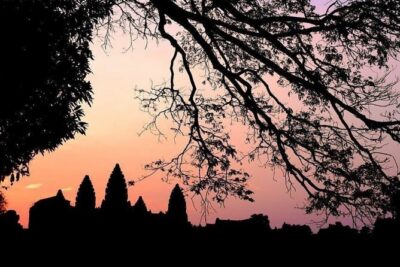
Angkor Wat Sunrise & 3 Main Temples with Breakfast – Small Group
Read our review →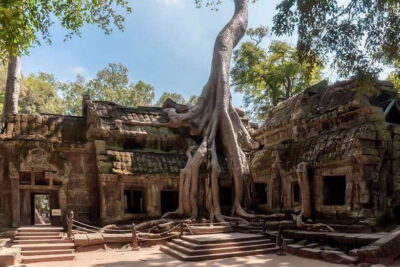
Browse the lists this tour appears in