Reviewed · MUSEUMS
Angkor National Museum Ticket with Tuk-Tuk Pick-Up
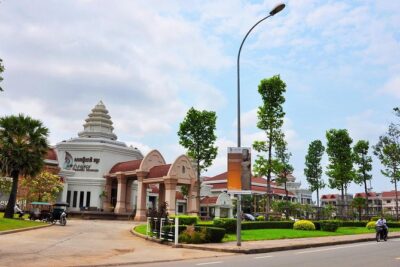
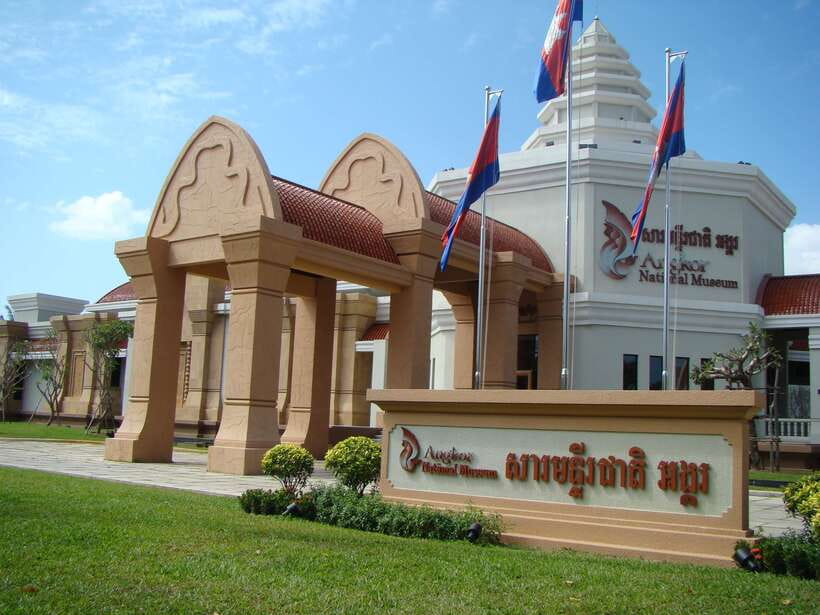
The 1,000 Buddha gallery is the museum’s big hook, but the real value comes from the way the exhibits prepare you for Angkor Wat and Angkor Thom. Eight chronological galleries take you from the beginnings of Khmer civilization to its peak, linking statues, beliefs, customs, and architecture.
I like the one-way tuk-tuk pickup, which removes a small but real Siem Reap hassle, and I like the museum’s timing: two hours is enough to build useful context without taking your whole day. The main consideration is that the audio tour costs extra, and the return ride is not included.
In This Review
- Key points at a glance
- Why visit the museum before Angkor Wat?
- Entering eight galleries in chronological order
- The 1,000 Buddha statues gallery
- Understanding Khmer architecture before the temples
- Customs, traditions, and ancient beliefs
- What the tuk-tuk pickup adds
- Audio guide or map: choosing your level of detail
- Is $26 good value for two hours?
- Planning your two-hour visit
- Who will get the most from this museum ticket?
- Should you book the Angkor National Museum ticket?
- FAQ
- How long does the Angkor National Museum visit last?
- What is included in the ticket?
- Is the return tuk-tuk ride included?
- What information must I provide for pickup?
- Is an audio guide included?
- Does the tuk-tuk driver speak English?
- Are backpacks allowed inside?
- Can I bring a pet?
- Can I cancel for a refund?
Key points at a glance
- See 1,000 Buddha statues in a gallery that gives the museum its most memorable visual moment.
- Follow eight chronological galleries from the origins of the Khmer Empire to its highest point.
- Use the museum map to explore independently and keep your visit on a clear path.
- Connect temple details to Khmer beliefs, customs, traditions, and architecture before visiting Angkor.
- Ride from your hotel by tuk-tuk, with one-way pickup included and an English-speaking driver.
- Allow two hours, plus extra time if you choose the optional audio guide.
Why visit the museum before Angkor Wat?
Angkor National Museum works best as a primer for the temples. At Angkor Wat, you will see huge galleries, carved walls, towers, and sacred images, but the site itself does not always explain how those pieces fit into Khmer culture. The museum gives you that missing framework before you face the monuments.
The visit follows the Khmer story from its early formation through the height of the empire. That chronological order matters. Instead of seeing isolated statues as attractive old objects, you can begin to connect them with changing beliefs, royal power, religious practice, and architectural ideas.
I would schedule the museum before your temple visits if your time allows. One person who used the museum this way found it helped with understanding the culture, religion, and traditions seen later at Angkor. That is the museum’s practical purpose: it makes the outdoor sites easier to read.
You can also visit afterward. In that order, familiar temple carvings and architectural forms may help the museum exhibits make more sense. Still, the first-day option has the stronger educational payoff, especially if Angkor is new to you.
More Angkor temple itineraries:
- Angkor Wat Sunrise or Sunset Tour with Guide from Siem Reap
5.0 · 12,109 reviews - Siem Reap: Angkor Wat: Small-Group Sunrise or Sunset Tour
5.0 · 9,444 reviews - Siem Reap: Angkor Wat 2-Day Tour with Sunrise and Sunset
4.9 · 4,429 reviews
Entering eight galleries in chronological order
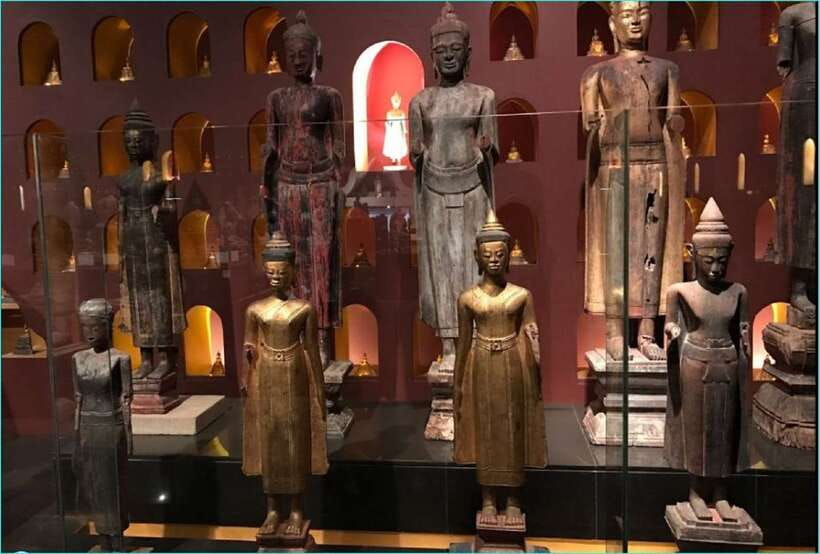
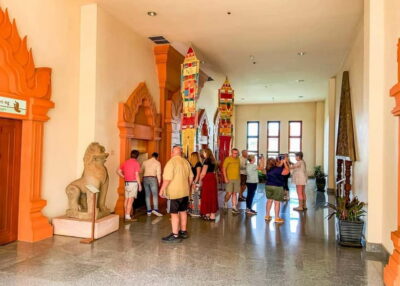
Your ticket gives you entry to the museum, and you receive a map to guide your route. The galleries are arranged in eight chronological sections, so you are not simply moving from one attractive display to another without a thread.
Expect the story to unfold gradually. The museum covers the creation and growth of Khmer civilization, then leads you toward the period associated with Angkor Wat and Angkor Thom. The presentation also places artifacts in an atmosphere designed to support the period being explained.
That approach suits visitors who want more than a quick collection of statues. You can take the galleries at your own pace, pause when a belief or architectural idea catches your attention, and use the map to keep track of where you are.
The map is useful, but it is not the same as a guide speaking to you as you walk. No personal museum guide is listed as part of this experience. Your English-speaking tuk-tuk driver handles the transfer, while the museum visit itself is mainly self-guided unless you add the optional audio tour.
The 1,000 Buddha statues gallery
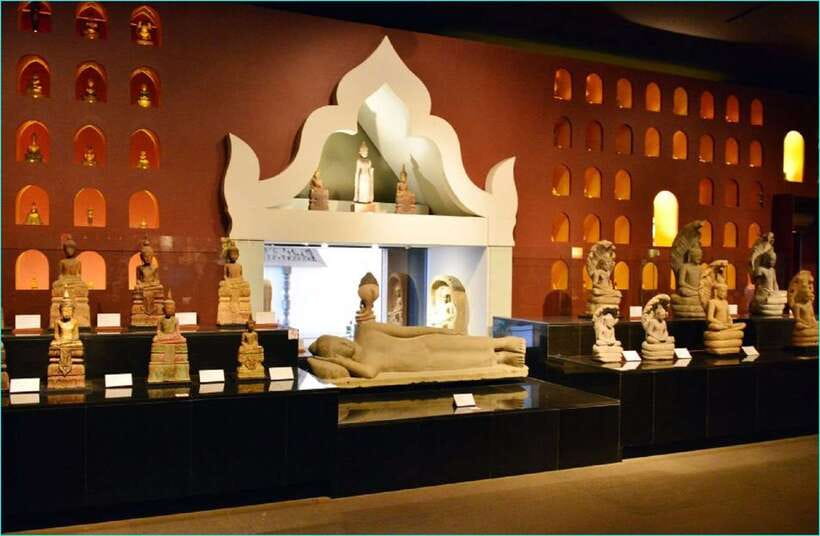
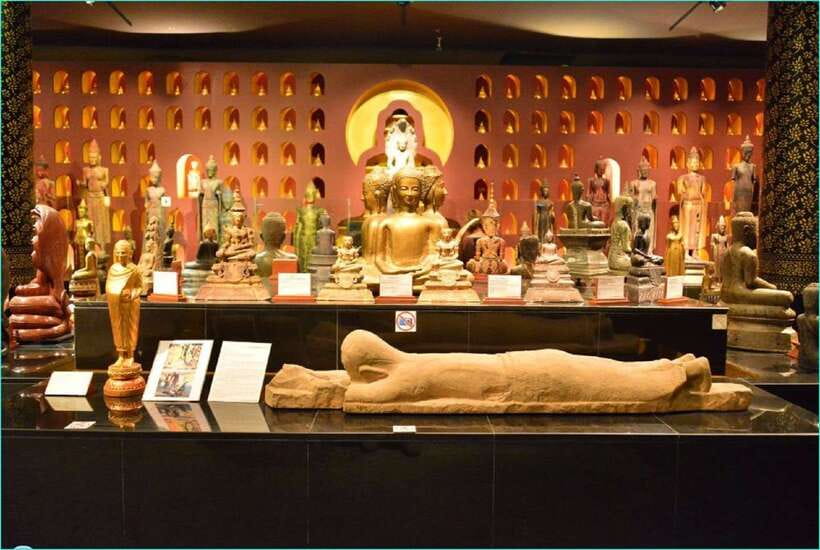
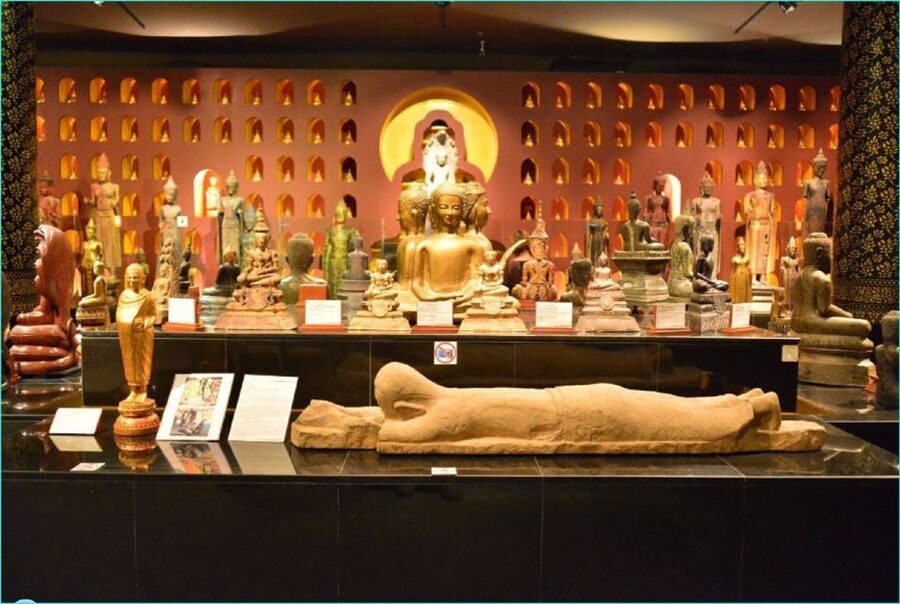
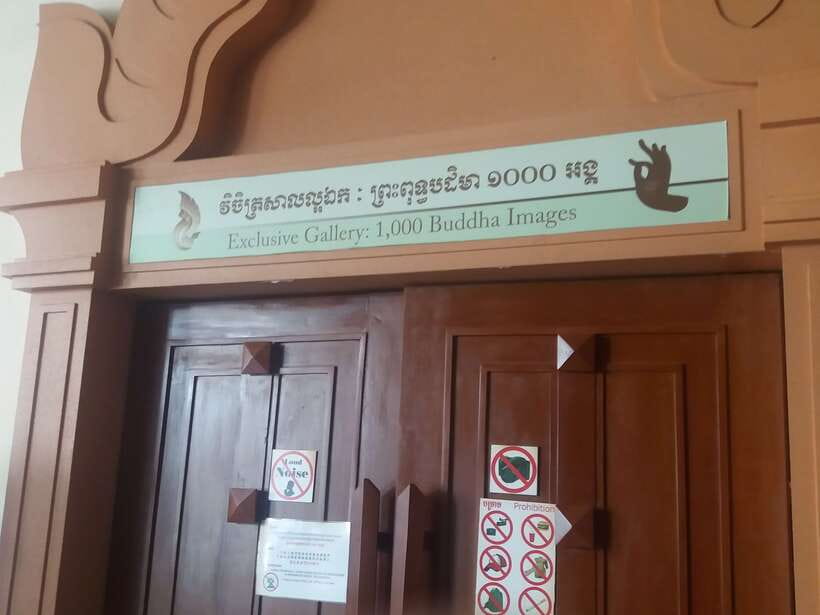
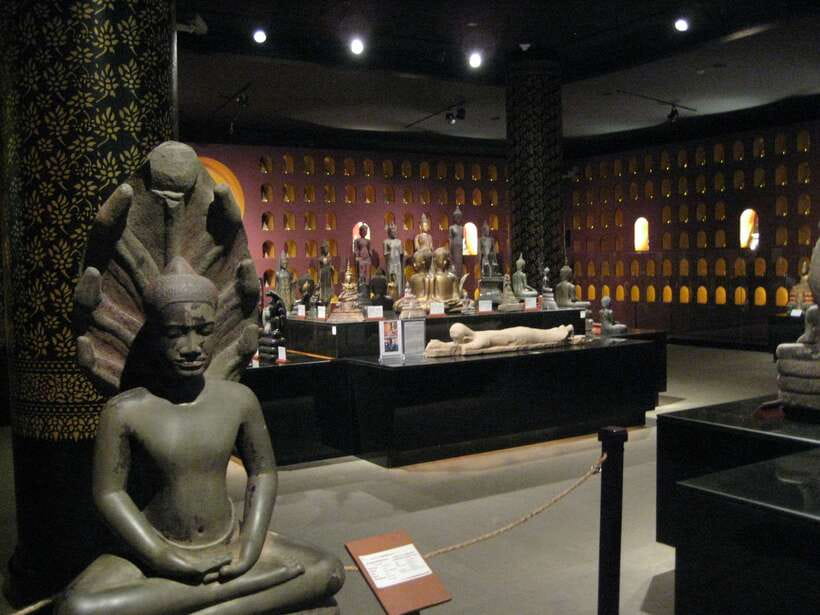
The gallery of 1,000 Buddha statues is the museum’s most distinctive stop. A large group of sacred images creates a very different experience from looking at one statue in a glass case. The repeated forms invite you to compare poses, scale, and appearance while considering the place of Buddhism in Khmer life.
This is also the kind of room that rewards a slower pace. You do not need to rush through it to say you have seen it. Give yourself time to take in the repeated figures and the atmosphere, then continue through the surrounding galleries with the wider religious setting in mind.
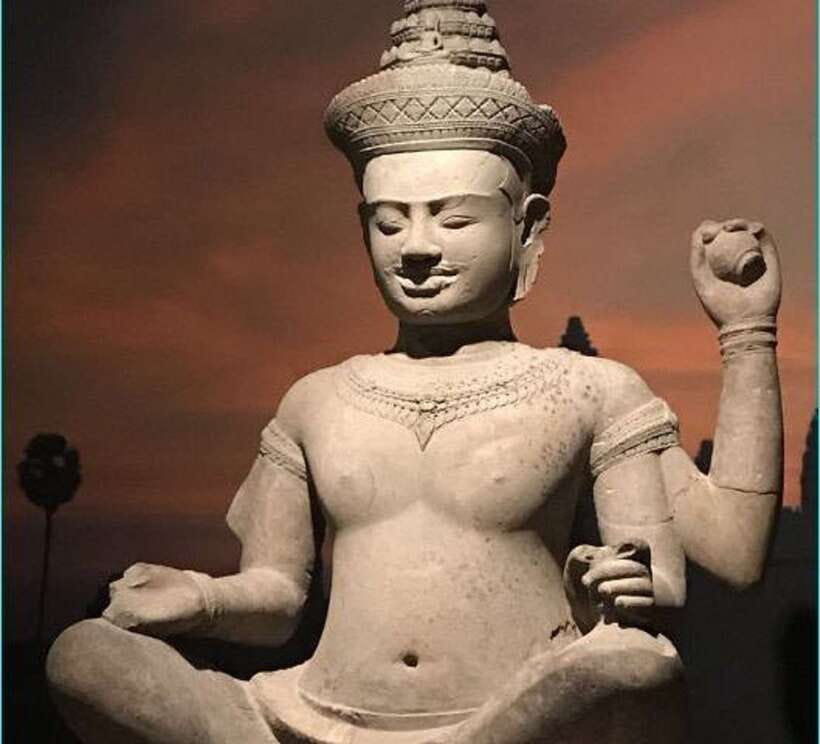
The museum presents more than one religious tradition and explains different beliefs connected with ancient Khmer society. That is useful preparation for temple visits, where Hindu and Buddhist imagery can appear side by side across different periods and sites.
The listing does not provide a detailed inventory of every object in this gallery, so you should not expect a room-by-room specialist catalog from this ticket. What you can count on is the central visual experience and its place within the museum’s broader chronological story.
Understanding Khmer architecture before the temples
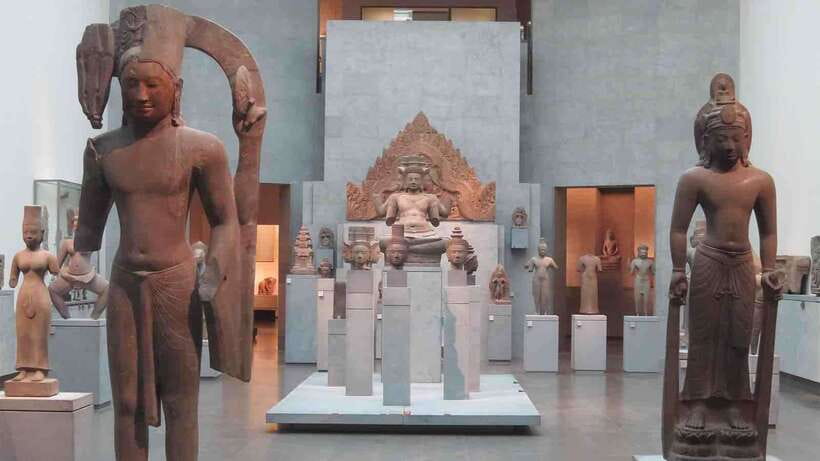
Angkor Wat and Angkor Thom are not just photogenic ruins. Their design reflects power, faith, engineering, and ideas about the sacred world. The museum helps you approach those buildings with questions in mind rather than treating every tower and carving as decoration.
One of the stated aims is to explain architecture during the Angkor Wat and Angkor Thom eras. That makes the museum especially helpful if you have never studied Khmer design. You can look for links between the indoor displays and the stone structures you see later.
I like this pairing of museum and temple visit because it changes your attention. At the temples, you may notice how an image fits into a larger religious program, or why a building’s form matters. The museum will not replace seeing Angkor in person, but it can give those outdoor hours more meaning.
Keep your expectations measured. This is a two-hour museum visit, not a full academic course in Khmer architecture. It gives you an accessible base, then leaves the temples to supply the scale, weathered stone, and setting.
Other Siem Reap experiences to weigh up
- Siem Reap: Angkor Wat Private Tuk-Tuk Tour
4.9 · 2,222 reviews - Siem Reap Countryside Bike Tour / E-Bike or Tuk Tuk
5.0 · 935 reviews - Angkor Sunrise Bike Tour / E-Bike or Tuk Tuk
5.0 · 615 reviews - Angkor Wat Private Tuk-Tuk Tour (sunrise Option) & more
5.0 · 439 reviews
Customs, traditions, and ancient beliefs
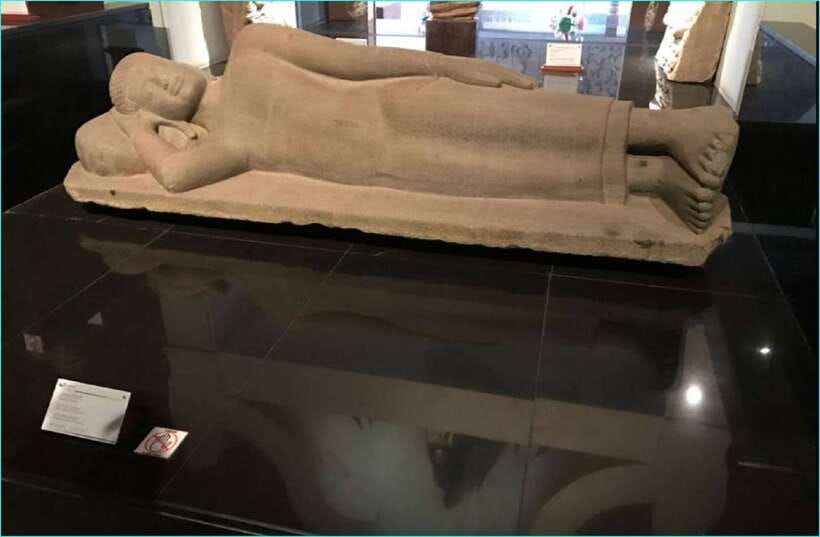
The exhibits also address Khmer customs, traditions, and different beliefs. That cultural material is important because ancient temples were not built as empty art galleries. They were tied to ritual, kingship, community life, and ideas about the relationship between people and the divine.
You will find the museum more useful if you read the explanatory material rather than treating it as a quick photo stop. The artifacts are arranged to reveal a story over time, and the realistic atmosphere is meant to support that story.
The visit can also help families and first-time temple visitors. Angkor’s scale can be tiring and confusing, especially when several sites begin to blend together. A museum visit gives you a quieter setting in which to sort out the basic cultural ideas before returning to the heat and open space of the temple complex.
For a specialist, the displays may feel introductory. For most people spending a short time in Siem Reap, that is a fair trade. The museum aims to make the subject understandable, not to overwhelm you with technical detail.
What the tuk-tuk pickup adds
The included transport is one-way pickup from your hotel to the museum. You must provide the hotel name or location and wait in the accommodation lobby for the tuk-tuk driver. You also need to provide a contactable phone number and confirm your visiting time before going to the museum.
This is a simple arrangement, but the details matter. Without your hotel information, the driver cannot find you. You also need to have the ticket supplied for this experience before entering the museum, so do not assume that a hotel name alone is enough.
The driver speaks English, which should help with the pickup arrangements. The transport is not a round trip, so plan how you will leave the museum. The information provided does not include a return transfer, return tuk-tuk, or transport to another attraction.
I see the pickup as a convenience rather than the main attraction. It is valuable if you are staying in Siem Reap and want a straightforward start. It is less useful if you already have private transport arranged or want a driver waiting for the rest of the day.
Audio guide or map: choosing your level of detail
The museum map is included and lets you wander through all eight galleries. That gives you freedom to pause, skip ahead, or spend extra time with the Buddha statues and the sections that relate most closely to your temple plans.
The audio tour is not included. You will need to purchase or arrange the audio guide separately if you want spoken explanations. One visitor found the audio guide especially helpful and noted that a German version was available, so German-speaking visitors may wish to ask about language options before arrival.
This extra cost changes the value calculation. If you are happy to read displays and move at your own pace, the basic ticket may be enough. If you want more explanation without hiring a separate guide, the audio tour may make the visit more rewarding.
Do not confuse the English-speaking tuk-tuk driver with an included museum guide. The driver provides the transfer, while the ticket information describes the museum map and optional audio set. That distinction is worth knowing before you book.
Is $26 good value for two hours?
At $26 per person, this is not the cheapest way to spend two hours in Siem Reap. The price covers museum entry and one-way hotel pickup, but not the audio tour or personal expenses.
The value depends on how you use the visit. If you are already interested in Khmer art, religion, and architecture, the museum can make your later temple time more rewarding. The pickup also saves you from arranging a short ride to the museum on your own.
If you only want a quick look at the 1,000 Buddha statues, the price may feel high, particularly once you add the optional audio tour. If you want a structured introduction to the region before visiting Angkor, the cost is easier to justify.
I would compare this experience with the price of arranging your own transport and museum admission, but the supplied information does not give a separate walk-in museum price. The safest way to judge it is by the convenience and context it provides, not by assuming the ticket includes a full guided tour.
The five-star rating attached to the experience matches its strongest points: the museum itself, the usefulness of the tuk-tuk pickup, and the way the visit supports temple sightseeing. The small number of published ratings means I would still read the inclusions carefully rather than treating the score as a guarantee of every detail.
Planning your two-hour visit
The stated duration is two hours. That is a sensible target for a general visit through all eight galleries, particularly if you keep moving and use the map to guide you.
You may need more time if you add the audio tour or like to read every explanation. The information does not promise a fixed guided schedule, so you should think of the duration as the expected visit length rather than a tightly timed talk.
Contact the provider before you go to confirm the pickup time. Give the hotel’s full name or location, list a working phone number, and wait in the lobby. These steps are not glamorous, but they prevent the most avoidable problem: a driver being unable to locate you.
Backpacks are not allowed, and pets are not allowed. Pack lightly and leave your backpack at your accommodation rather than arriving with a bag you cannot take inside.
Free cancellation is available up to 24 hours before the visit for a full refund. You can also reserve now and pay later, which helps if your Siem Reap schedule is still shifting.
Who will get the most from this museum ticket?
I would recommend this experience to first-time visitors who plan to see Angkor Wat and Angkor Thom. It is also a good fit for anyone who wants cultural context before taking in the temples, especially if religious art and Khmer architecture are unfamiliar subjects.
Families may appreciate the clear chronological setup, though the museum’s success will depend on how much time children are willing to spend with displays. The 1,000 Buddha gallery gives the visit a strong visual centerpiece, while the eight-gallery route supplies a sense of progress.
History and art enthusiasts should consider adding the audio tour, since the basic ticket does not include it. German-speaking visitors can ask about the German audio option mentioned by a previous visitor.
I would be more cautious if you have only a few hours in Siem Reap and want to spend every minute outdoors. The ticket takes about two hours, includes only the ride to the museum, and requires extra planning for the return.
Should you book the Angkor National Museum ticket?
Book it if you want your temple visits to have a clearer cultural and architectural frame. The best reasons are the chronological galleries, the 1,000 Buddha display, and the practical hotel pickup. Visit before Angkor if you want the information fresh in your mind.
Skip it if you are focused only on outdoor monuments, already have detailed cultural guidance, or do not want to pay extra for an audio tour. Also remember that the ticket does not include return transport, backpacks are not permitted, and the tuk-tuk driver is not described as a museum guide.
For most first-time visitors staying in Siem Reap, I think the experience earns its place as a useful two-hour introduction. Just confirm the pickup details, bring no backpack, and decide in advance if the optional audio guide suits your budget.
FAQ
How long does the Angkor National Museum visit last?
The stated duration is two hours. You may need additional time if you use the optional audio tour or spend longer in the galleries.
What is included in the ticket?
The ticket includes entrance to Angkor National Museum and one-way hotel pickup by tuk-tuk.
Is the return tuk-tuk ride included?
No. The included transport is one-way pickup from your hotel to the museum.
What information must I provide for pickup?
You must provide your hotel name or location and a contactable phone number. You should wait for the tuk-tuk driver in your accommodation lobby.
Is an audio guide included?
No. The audio tour set is not included in the ticket. It may be available separately, and a German option has been reported as available.
Does the tuk-tuk driver speak English?
Yes. The driver language is listed as English.
Are backpacks allowed inside?
No. Backpacks are listed as not allowed.
Can I bring a pet?
No. Pets are not allowed.
Can I cancel for a refund?
Yes. You can cancel up to 24 hours in advance for a full refund. The activity also allows you to reserve now and pay later.
More Museums in Siem Reap
- Bantey Srei, Kbal Spean and Landmine museum Private Tuk-Tuk
4.7 · 30 reviews - Siem Reap City Tour with War Museum and Killing Field
5.0 · 27 reviews - Private Tour: HERO Rats & Angkor National Museum
4.5 · 16 reviews - War Museum, Killing Field and Floating village ( Chong Kneas) Tour
5.0 · 14 reviews
Fresh reviews from around Siem Reap
- Full-Day Tour Preah Vihea & Koh Ker Temple 3.7 · 3 reviews
- Savor the Countryside: Tours with Authentic Cooking Classes” 5.0 · 3 reviews
- Angkor Wat Sunrise TukTuk Tour 5.0 · 3 reviews
- Angkor Grand Circuit Tour & Banteay Srei 5.0 · 3 reviews
- Guided Private Tuk Tuk Tour Angkor Wat and Small Circle and Five Extras 5.0 · 3 reviews
- Siem Reap Temple Tour 2-Day with Sunrise/Sunset 3.7 · 3 reviews
- Bangkok to Angkor Wat 2 Days 1 Night by Flight 4.5 · 3 reviews
- Kompong Pluk Tour 5.0 · 3 reviews
Museums, compared.