
Reviewed · ANGKOR WAT SUNRISE TOURS
3-Days Private Angkor Wat Sunrise/Sunset Tours & Floating Village
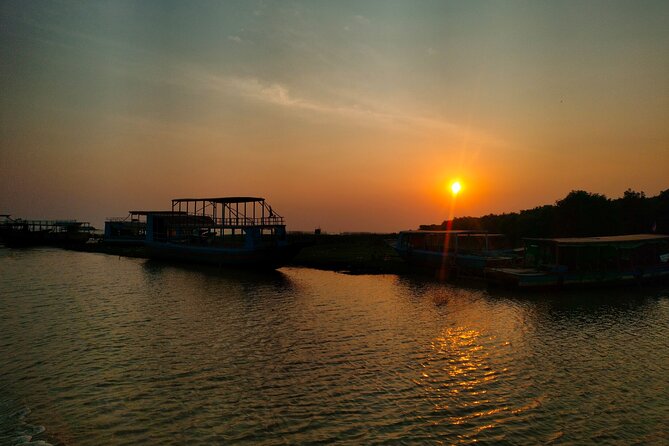
The best part of this three-day Angkor itinerary is its slower pace. You are not trying to swallow the entire temple park in one hot morning. You get time for Angkor Wat, the faces of Bayon, the roots of Ta Prohm, a sunset from Phnom Bakheng, and a final day at the floating village of Kampong Phluk.
I like the private vehicle and guide, especially for hotel pickup, cold water, and help with photographs. I also like the mix of famous sights and quieter outlying temples such as Banteay Srei and Beng Mealea. The main drawback is cost beyond the tour fee: temple and village admissions, food, and drinks are not included, and Day 3 is a long, demanding outing.
In This Review
- Key points to know before booking
- Why three days works better than one
- Day 1: Angkor Wat, Ta Prohm, and the royal city
- Angkor Wat and its long stone story
- Ta Prohm, where trees have taken the temple back
- Angkor Thom, Bayon, and the stone faces
- The Elephant and Leper King terraces
- Phnom Bakheng at sunset
- Day 2: Reservoir temples and the delicate carvings of Banteay Srei
- Preah Khan and Neak Pean
- Ta Som, Eastern Mebon, and Pre Rup
- Banteay Srei, the pink sandstone specialist
- Day 3: Sunrise, Beng Mealea, and life on Tonle Sap
- Angkor Wat before the heat
- Beng Mealea, a rougher temple experience
- Kampong Phluk on the Tonle Sap
- What the $370 group price really buys
- Clothing, walking, and daily comfort
- Who should book this private Angkor tour?
- Should you book it?
- FAQ
- How much does the private tour cost?
- What admission fees should I budget for?
- Is hotel pickup included?
- Is the tour private?
- What transport is provided?
- Are meals included?
- What should I wear to the temples?
- Can I cancel for a refund?
Key points to know before booking
- Sunrise and sunset are built into separate days: You see Phnom Bakheng at sunset on Day 1 and return to Angkor Wat before dawn on Day 3.
- The $370 price covers your whole group: Up to 12 people can share the private SUV or minivan, making this better value for families and small groups than for solo visitors.
- Admission fees add up: The three-day Angkor pass costs $50 per person, Beng Mealea costs $12, and Kampong Phluk costs $20.
- A photographer guide is part of the package: Expect help with photo spots and framing, not just temple explanations.
- The route includes major and remote temples: You get Angkor Wat and Ta Prohm, plus Banteay Srei and the rougher ruins of Beng Mealea.
- Respectful clothing is essential: Knees and shoulders must be covered at places of worship and selected museums.
Why three days works better than one
Angkor is not one temple. It is a huge archaeological zone filled with gates, reservoirs, terraces, towers, carvings, and forest-covered ruins. A one-day visit can give you the famous highlights, but it often leaves you hot, rushed, and unable to remember which royal face belongs to which temple.
This tour spreads the main sights over three days. That does not make the schedule effortless, but it gives each group of temples room to breathe. You can spend the first day on the grand central monuments, the second on smaller and more detailed sites, and the third on sunrise, Beng Mealea, and Tonle Sap.
The private format matters here. Your group alone participates, and hotel pickup and drop-off are included. You are not waiting for a large coach to load and unload. The air-conditioned SUV or minivan also gives you a useful break between temple walks.
The guide is described as both a historian and photographer. That combination is useful at Angkor, where a good visit needs two kinds of help: someone to explain what you are seeing and someone to point out how to photograph it. One of the strongest practical benefits is help with photo tips and taking better pictures.
More floating village visits:
- From Siem Reap: Kampong Phluk Floating Village Tour by Boat
4.9 · 6,979 reviews - Sunset tour of Kampong Phluk stilts home village on the Tonle Sap
5.0 · 4,865 reviews - Siem Reap: Kampong Phluk Floating Village Tour with Boat
4.9 · 3,843 reviews
Day 1: Angkor Wat, Ta Prohm, and the royal city
The first morning begins with an 8:30 am hotel pickup. You first stop to buy the three-day Angkor temple pass, which is not included in the tour price. The schedule then moves to Angkor Wat, the enormous early 12th-century temple built under King Suryavarman II.
Angkor Wat and its long stone story
Allow about three hours at Angkor Wat. That is enough time to appreciate the scale of the outer galleries, study the carved scenes, and make your way toward the central towers without treating the place like a quick photo stop.
Angkor Wat was designed as a Hindu temple dedicated to Vishnu before later use as a Buddhist sanctuary. Its galleries carry long stretches of bas-relief, and the guide can help you understand what the carvings show rather than leaving you with a pile of disconnected dates.
Wear practical shoes. You will be walking and may encounter uneven stone, steps, and strong heat. Your knees and shoulders must be covered, so pack a light layer if your usual sightseeing clothes are short or sleeveless.
Ta Prohm, where trees have taken the temple back
Ta Prohm follows Angkor Wat, with about an hour to explore. Its appeal is not only its carvings. It is the collision between masonry and vegetation, with tree roots pressing against walls and corridors that still feel like a ruin rather than a restored monument.
The temple is widely associated with the film Lara Croft: Tomb Raider. That connection draws crowds, but Ta Prohm deserves more than a movie reference. Look at the way galleries, courtyards, and doorways connect, then notice how the trees change the shape of the site.
The drawback is that Ta Prohm can feel tight around its most famous root-covered sections. A private guide cannot remove the crowds, but can help you make better use of the hour and locate less obvious carvings.
More sunrise departures to Angkor Wat:
- Angkor Wat Sunrise or Sunset Tour with Guide from Siem Reap
5.0 · 12,109 reviews - Siem Reap: Angkor Wat: Small-Group Sunrise or Sunset Tour
5.0 · 9,444 reviews - Siem Reap: Angkor Wat 2-Day Tour with Sunrise and Sunset
4.9 · 4,429 reviews - Angkor Wat Sunrise tour with Small – Group and Guide tours
5.0 · 3,655 reviews
Angkor Thom, Bayon, and the stone faces
After lunch, the tour continues to Angkor Thom, the late 12th-century royal city. The South Gate is a memorable entry point, lined with rows of gods and demons pulling a seven-headed serpent. Massive stone faces look down from the gate, setting the mood before you reach Bayon.
Bayon receives about 45 minutes. Its many serene faces are the visual centerpiece of Angkor Thom, but the temple is also a puzzle of galleries and towers. You will get more from it if you pause to examine the bas-reliefs at eye level, where scenes of daily life and military activity appear among the religious imagery.
The nearby Baphuon gets another 45 minutes. This large Hindu temple rises above the surrounding grounds and offers a climb toward the upper levels when access allows. At the back is a large reclining Buddha formed from later stonework. The climb and uneven surfaces make this a poor match for anyone with limited mobility, and the tour asks for moderate physical fitness.
The Elephant and Leper King terraces
The Terrace of the Elephants takes about 30 minutes. It was part of the royal ceremonial area, and its carvings include elephants and other figures. You are looking at a long sculpted platform rather than a complete temple, so the guide’s explanation helps give the site a purpose beyond its name.
The Terrace of the Leper King is a shorter 20-minute stop. Its high reliefs include serpent figures and layered carvings. The name comes from a statue traditionally linked by local stories to a leper king. Treat the name as part of the site’s later story, not a simple label for what the original builders intended.
Phnom Bakheng at sunset
The first day ends at Phnom Bakheng, an older Hindu temple built in the late ninth century. From its viewpoint, you can see Angkor Wat and other monuments around the park while the light softens.
Sunset timing is appealing, but this is also the least predictable part of the day. The experience depends on weather and on how busy the viewpoint is. The tour requires good weather overall, and if poor weather cancels the experience, you are offered another date or a full refund.
Day 2: Reservoir temples and the delicate carvings of Banteay Srei
Day 2 moves away from the most famous central temples. It begins at Preah Khan and ends at Banteay Srei, with several stops linked to water management, royal worship, and later Angkor construction.
Preah Khan and Neak Pean
Preah Khan is a large Buddhist temple dedicated to the king’s father. Expect about an hour among long corridors, courtyards, and vegetation that still presses into parts of the complex. Its size can be confusing, so a guide is particularly useful for showing how the temple is organized.
Neak Pean takes about 50 minutes. You reach it by a long wooden bridge across the ancient reservoir known as Jayatataka. The temple was linked to healing and sacred water, and its island setting gives it a different feel from the enclosed galleries of Angkor Wat.
The site is less about climbing and more about the approach. The bridge and water views create a pause in the schedule, though you should not expect a large, fully intact temple complex at the end.
Ta Som, Eastern Mebon, and Pre Rup
Ta Som is a smaller 13th-century Buddhist temple built under Jayavarman VII. The east gate, where a tree has grown over the stonework, is the main photograph. You get about 40 minutes here, enough to see the central structure without the fatigue of a giant complex.
Eastern Mebon gives you 45 minutes among brick, laterite, and sandstone construction. Eight elephant statues remain a key feature. The temple once stood on an island in the Eastern Baray reservoir, but the reservoir has dried and the area is now surrounded by villages and rice fields.
Pre Rup is another brick temple, this one from the mid-10th century and dedicated to Shiva. It takes about 50 minutes, with a climb to upper levels and views from the top. The five towers are its strongest visual feature, but the stairs can be steep and exposed.
These three stops are valuable because they show different building materials and different stages of Angkor design. They also offer a break from the crowds and scale of the central circuit. You still need water, sun protection, and steady legs.
Banteay Srei, the pink sandstone specialist
Banteay Srei is about 40 minutes from the central area each way, followed by roughly 50 minutes at the temple. That travel time is the price of reaching one of the most finely carved sites in the region.
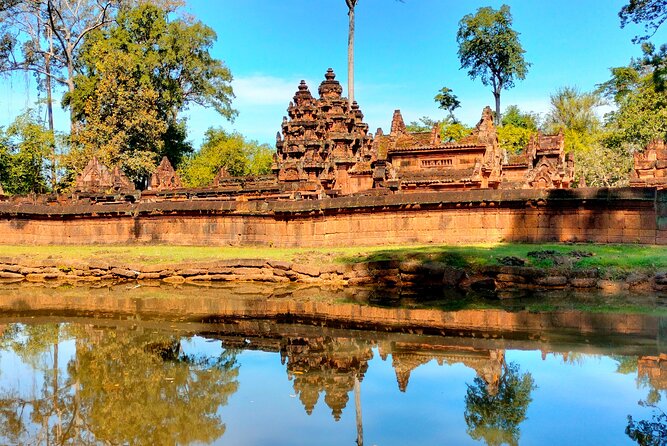
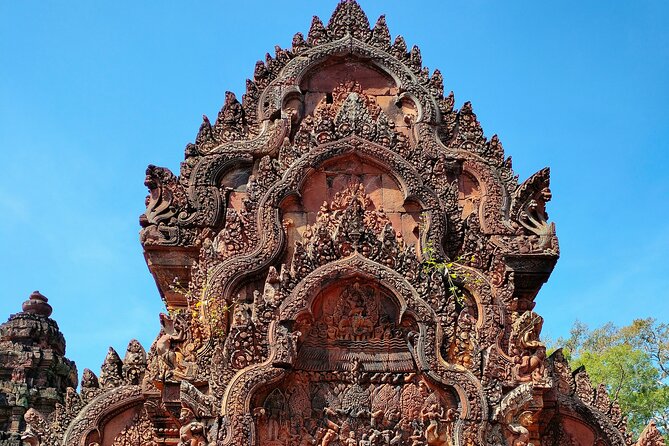
Built from pink sandstone, Banteay Srei is smaller than Angkor Wat but unusually detailed. Doorways, pediments, and figures carry delicate carving that rewards close attention. The compact size makes it easier to study individual panels without feeling lost in a huge plan.
This is a good stop for anyone who cares about craftsmanship and photography. It is less satisfying if you want towering scale at every turn, but the contrast is exactly why it belongs in a three-day route.
Day 3: Sunrise, Beng Mealea, and life on Tonle Sap
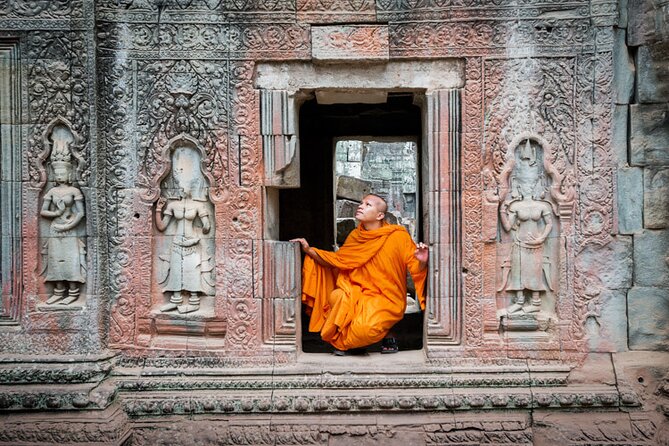
The final day is the longest and most varied. It begins early at Angkor Wat, travels 68 kilometers to Beng Mealea, then continues to Kampong Phluk. You should expect a full day with substantial time in the vehicle.
Angkor Wat before the heat
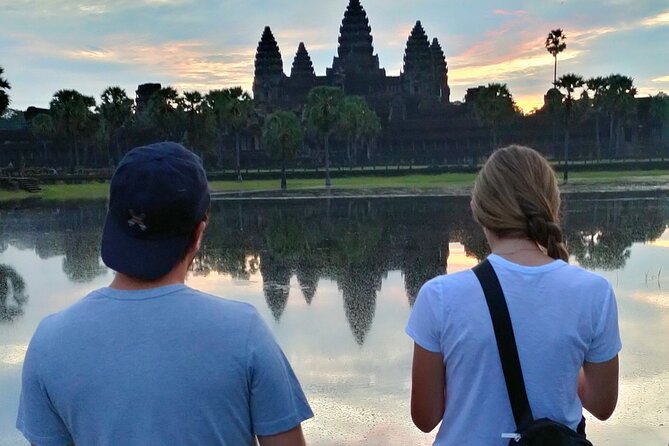
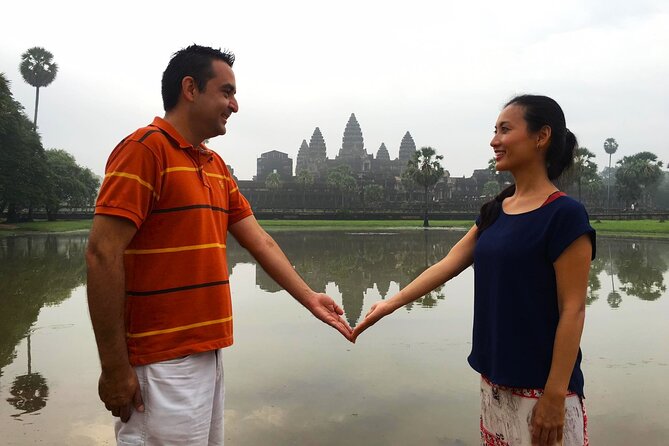
You return to Angkor Wat as an early bird for sunrise and spend about two hours there. The towers and reflection can take on golden light, creating a very different scene from the daytime visit on Day 1.
The practical advantage of returning is that you see the temple in two moods. Day 1 gives you time for architecture and carvings. Day 3 gives you the dawn view. The disadvantage is the early start, especially after two days of walking, so plan your evening before this outing with care.
Breakfast is not included. Arrange your own breakfast plans with the guide or hotel, since the tour price covers neither breakfast nor other meals.
Beng Mealea, a rougher temple experience
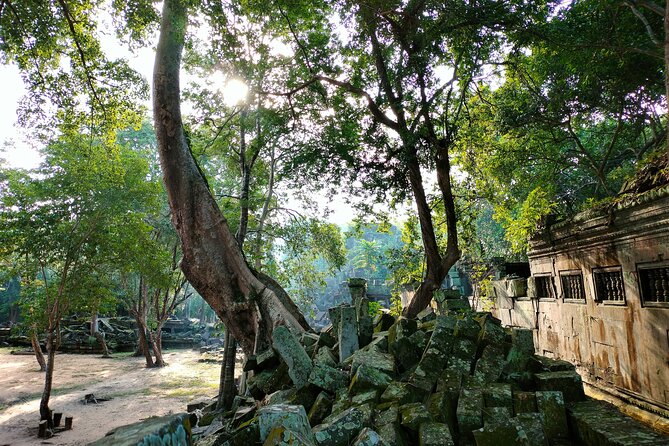
Beng Mealea lies 68 kilometers from Siem Reap and receives about three hours. The temple is known for its untouched, overgrown character, with rubble and vines shaping the route through the ruins.
This is the place for a more adventurous walk. You may cross or move around fallen stones and uneven ground, so solid footwear matters. It does not offer the polished, formal presentation of Angkor Wat. Its appeal is the sense of a temple being encountered in a rougher state.
Admission costs $12 per person and is separate from the tour. The drive is also a major part of the experience. If you dislike long road transfers, Beng Mealea may feel like too much effort. If you want a less orderly ruin and a change from the main Angkor circuit, it earns its place.
Kampong Phluk on the Tonle Sap
The final stop is Kampong Phluk, a fishing and floating village on the edge of Tonle Sap Lake. You spend about three hours here, and admission is included in the listed tour package, unlike the Angkor and Beng Mealea fees.
The village includes homes, a pagoda, schools, rice fields, cattle, and mangrove forest. This is not another stone monument. It gives you a look at a living community shaped by water, fishing, and seasonal conditions.
The village entrance fee is listed separately as $20 per person, so confirm exactly how the included admission is handled when booking. That apparent mismatch is worth clarifying before you pay. It may refer to different components of the village visit, but the supplied details do not explain it.
What the $370 group price really buys
The base price is $370 for up to 12 people. That is a strong deal for a full private group, especially when divided among several people. For one or two people, the per-person cost becomes much higher, although you are paying for privacy, transport, a guide, fuel, parking, and toll roads rather than simply buying a seat.
Included are hotel pickup and drop-off, an air-conditioned private SUV or minivan, a professional historian and photographer guide, cold water, wipes, gasoline, parking, and toll-road charges. Those practical inclusions matter in Cambodia’s heat and on the long drive to Beng Mealea.
Budget separately for the three-day Angkor pass at $50 per person, Beng Mealea at $12 per person, and food and drinks. Soft drinks, breakfast, lunch, and dinner are not included. Kampong Phluk is listed as included in the package, but its $20 entrance fee is also listed separately, so ask for a current breakdown.
The tour is rated 4.8 out of 5 from 27 ratings, with 96 percent recommending it. The strongest praise focuses on service, photo help, and the guide’s explanations of the temples. That fits the tour’s design: it is most useful when you want assistance with both understanding the monuments and getting better pictures.
Clothing, walking, and daily comfort
The dress information says formal and smart casual, but the important rule is clear: knees and shoulders must be covered at places of worship and selected museums. Do not arrive in short shorts or a sleeveless top and assume you can talk your way inside.
Bring comfortable walking shoes, sun protection, and a refillable water plan if you have one. Cold water and wipes are provided, but meals and drinks are not. The schedule includes stairs, stone surfaces, long walks, and an early sunrise departure, so moderate fitness is required.
The tour is near public transportation, but hotel pickup is already included. Confirmation is provided at booking, and free cancellation is available up to 24 hours before the start time. Changes made inside that window are not accepted, and poor weather may lead to a new date or full refund.
Who should book this private Angkor tour?
I would choose this for a family, couple, or small group that wants Angkor explained without being hurried through every stop. It is also a good fit for photographers, since the guide provides photo tips and the route includes sunrise, sunset, carved galleries, pink sandstone, tree-covered ruins, and the Tonle Sap village.
It is less suitable if you have only one free day, want a low-cost solo excursion, or prefer a gentle schedule. Day 3 combines an early morning, a long drive, three hours at Beng Mealea, and three hours at Kampong Phluk. That is a lot of ground.
Should you book it?
Book this tour if you value privacy, a dedicated vehicle, historical context, and time beyond the standard Angkor Wat circuit. The group price is especially attractive when shared by several people, but you must add admission fees and meals to the real budget.
Before confirming, ask for the exact pickup times on all three days and clarify the Kampong Phluk admission charge. If your group can handle heat, stairs, uneven ruins, and the long final day, this is a well-rounded way to connect Angkor’s monuments with modern life around Tonle Sap.
FAQ
How much does the private tour cost?
The tour costs $370 per group of up to 12 people. Admission fees, meals, and drinks are not included.
What admission fees should I budget for?
The three-day Angkor Park pass costs $50 per person. Beng Mealea costs $12 per person. Kampong Phluk is listed with a $20 per-person entrance fee, although the itinerary also says its admission is included, so confirm this point before booking.
Is hotel pickup included?
Yes. Hotel pickup and drop-off are included, with the listed starting time at 8:30 am.
Is the tour private?
Yes. Only your group participates in the private activity.
What transport is provided?
You travel in a private air-conditioned SUV or minivan. Gasoline, parking, and toll roads are included.
Are meals included?
No. Breakfast, lunch, dinner, soft drinks, and other meals are not included.
What should I wear to the temples?
Knees and shoulders must be covered for both men and women at places of worship and selected museums. Shorts and sleeveless tops may lead to refused entry.
Can I cancel for a refund?
Yes. You can cancel at least 24 hours before the experience start time for a full refund. Cancellations or changes made less than 24 hours before the start time are not refunded or accepted.
More Evening Experiences in Siem Reap
- Angkor 2-Day Sunset & Sunrise Small-Group Tour
5.0 · 2,567 reviews - Siem Reap: Angkor Wat Sunrise or Sunset Guided Tour
4.9 · 2,123 reviews - Siem Reap Floating Village Kampong Phluk Sunset with Boat
5.0 · 1,962 reviews - Full-Day Guided Sunset Tour of Angkor Wat
5.0 · 1,507 reviews
More Angkor Temple Itineraries
- Siem Reap: Full-Day Angkor Wat Guided Tour with Sunset
4.9 · 3,803 reviews - Angkor Wat Highlights and Sunrise Guided Tour from Siem Reap
5.0 · 3,213 reviews - Angkor Wat Sunset Small Group Tour with Lunch Included
5.0 · 3,059 reviews - Full-Day Angkor Wat Sunrise Private Tour with Guide from Siem Reap
5.0 · 2,920 reviews
Fresh reviews from around Siem Reap
- Full-Day Tour Preah Vihea & Koh Ker Temple 3.7 · 3 reviews
- Savor the Countryside: Tours with Authentic Cooking Classes” 5.0 · 3 reviews
- Angkor Wat Sunrise TukTuk Tour 5.0 · 3 reviews
- Angkor Grand Circuit Tour & Banteay Srei 5.0 · 3 reviews
- Guided Private Tuk Tuk Tour Angkor Wat and Small Circle and Five Extras 5.0 · 3 reviews
- Siem Reap Temple Tour 2-Day with Sunrise/Sunset 3.7 · 3 reviews
- Bangkok to Angkor Wat 2 Days 1 Night by Flight 4.5 · 3 reviews
- Kompong Pluk Tour 5.0 · 3 reviews
Angkor Wat Sunrise Tours, compared.

Angkor Wat Sunrise or Sunset Tour with Guide from Siem Reap
Read our review →


Angkor Wat Sunrise tour with Small – Group and Guide tours
Read our review →
Angkor Wat Highlights and Sunrise Guided Tour from Siem Reap
Read our review →
Full-Day Angkor Wat Sunrise Private Tour with Guide from Siem Reap
Read our review →
Angkor Wat Sunrise & 3 Main Temples with Breakfast – Small Group
Read our review →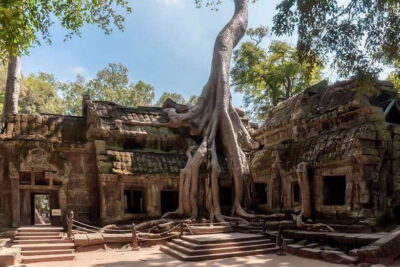
Browse the lists this tour appears in