
Reviewed · PHNOM KULEN TOURS
3-Day Tour of Siem Reap, Angkor Temples & Phnom Kulen Waterfall
Angkor Wat gets the famous photographs, but this three-day tour gives you the wider story: royal capitals, jungle temples, pink sandstone carvings, a sacred waterfall, and life around Tonle Sap. You begin with the main Angkor temples, return for sunrise, then travel farther into the countryside with a private English-speaking guide.
I like the private format, since guide Hok can explain Khmer religion and royal history at a pace that suits your group. I also like the practical touches: hotel pickup, an air-conditioned vehicle, cool water, towels, two lunches, and time for both sunrise and sunset. The main caution is the pace. A 4:30 a.m. start, long temple days, Phnom Kulen, Beng Mealea, and Tonle Sap make this a full sightseeing workout.
In This Review
- Key points to know before booking
- Three days that put Angkor in context
- Day one: from Angkor Wat to Phnom Bakheng sunset
- Day two: sunrise, pink stone, and the quieter temples
- Day three: Phnom Kulen Waterfall and sacred mountain sites
- What the private guide adds
- Transport, meals, and what you still pay
- Who should book this three-day route
- Should you book it?
- FAQ
- Is accommodation included?
- Are Angkor temple tickets included?
- Is the Phnom Kulen National Park ticket included?
- What time does pickup begin?
- Is this a private tour?
- Is hotel pickup available?
- What meals are included?
- Is transportation provided?
- What does the cancellation policy allow?
Key points to know before booking
- Sunrise and sunset at Angkor Wat: You see the complex in changing light, with an early pickup at 4:30 a.m. on day two.
- A private guide named Hok: His approach is lively, clear, humorous, and focused on linking carvings and temples to Cambodian culture.
- More than the main temple: The route includes Angkor Thom, Bayon, Ta Prohm, Preah Khan, Banteay Srei, Ta Som, and Banteay Samre.
- A full countryside day: Phnom Kulen National Park, its waterfall and sacred sites, Beng Mealea, and Tonle Sap take you beyond the central temple zone.
- Bring a separate ticket budget: Angkor temple admission and Phnom Kulen entry are not included in the $250 price.
- Your hotel is your choice: Accommodation is not included, so you can stay wherever suits your budget and plans in Siem Reap.
Three days that put Angkor in context
This is not a quick Angkor Wat photo stop. The schedule moves from the great temple to the royal city, then to smaller monuments and sites far from the best-known paths. That matters because Angkor is not one building. It is a huge former capital spread across forests, reservoirs, roads, shrines, and temple compounds.
The tour costs $250 per person. For a private three-day service with a guide, vehicle, hotel pickup, two lunches, drinks, water, and towels, that can be fair value, especially for a small group that wants one person organizing the route. You still need to pay for the Angkor temple pass, Phnom Kulen ticket, and accommodation, so calculate the full cost before booking.
Your guide is listed as Hok, and his strongest quality is storytelling. He explains sites with energy and humor, but can also handle serious subjects clearly. That style is useful here. Angkor has a lot of names, kings, gods, and architectural details. A good explanation keeps the ruins from becoming a blur of stones.
More Phnom Kulen mountain days:
- Kulen Waterfall Join-in Tour (local Picnic lunch)
5.0 · 2,434 reviews - Kulen Mountain: Small-Group Tour and Picnic lunch
4.9 · 1,802 reviews - Siem Reap: Kulen Mountain, Beng Mealea and Tonle Sap Tour
5.0 · 1,483 reviews
Day one: from Angkor Wat to Phnom Bakheng sunset
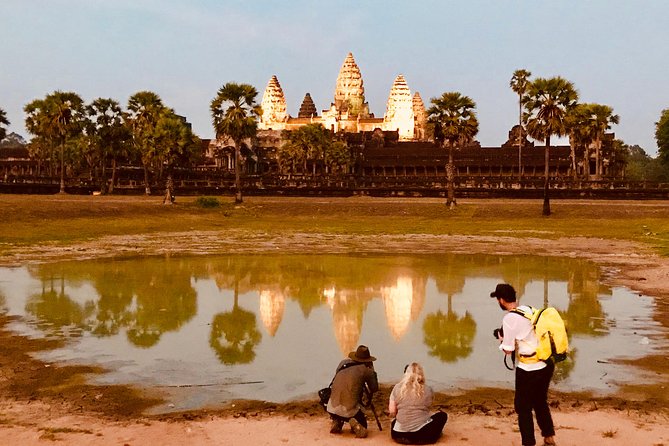
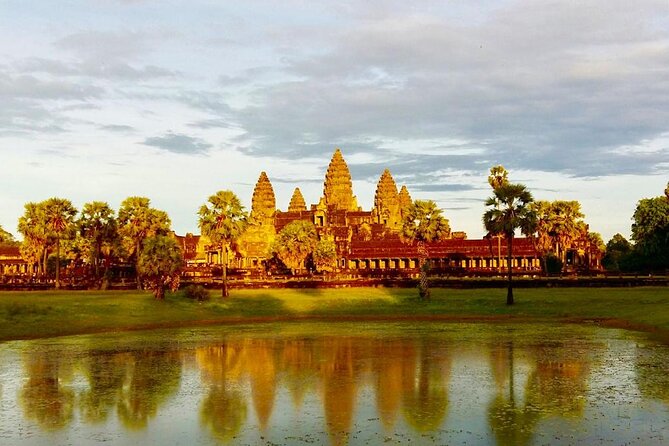
Hotel pickup is scheduled for 8:00 a.m. The first morning begins at Angkor Wat, where you have about two hours to look at the monument, its galleries, and the area around it. The temple was built as a Hindu sanctuary and later became a Buddhist site, so the carvings and layout reflect more than one period of religious use.
You also visit local villages and forest near Angkor Wat. This adds a small but useful change of pace. Instead of spending every minute inside temple walls, you get a glimpse of the setting that surrounds the archaeological zone.
Next comes Angkor Thom, the great fortified capital associated with the Khmer Empire. The listed stop is about 30 minutes, likely enough for the main entrance area and a basic explanation of the city’s role. Do not expect a full walk through every corner. Angkor Thom is enormous, and this tour reserves more time for its key monuments.
Inside Angkor Thom, Bayon gets about an hour. This is one of the most rewarding stops because of its carved faces and crowded, layered galleries. Bayon was built under King Jayavarman VII and dedicated to Lokesvara, a Mahayana Buddhist figure linked with compassion. The temple can feel confusing without guidance, so this is a good place to listen closely to Hok rather than simply chase photographs.
Baphuon follows, with about 45 minutes. This tall pyramid-like monument was a Hindu temple dedicated to Shiva and connected with Mount Meru, the sacred cosmic mountain. The climb and stone paths require care, so comfortable shoes matter. It is a more architectural stop than Ta Prohm, with fewer instantly recognizable photographs but plenty to explain.
The Terrace of the Elephants takes about 30 minutes. This long royal platform served ceremonial and public purposes near the former palace area. Its name comes from the elephant carvings along the terrace. The visit is short, but it helps you picture Angkor Thom as a working royal city rather than a collection of isolated temples.
Then comes Ta Prohm, the jungle temple made famous by Tomb Raider. Its appeal is easy to understand: trees and roots push through stone corridors, and the ruins feel less orderly than restored monuments nearby. That atmosphere is part of the charm, though the site can feel crowded and constricted. Follow your guide’s timing and do not count on having every root-covered doorway to yourself.
The day continues to Pre Rup, a large brick temple built in 961 by King Rajendravarman II and dedicated to Shiva. Its name is commonly linked with the idea of turning the body during a traditional cremation ritual, though the stop is also valuable for its strong brick construction and high platform.
The final stop is Phnom Bakheng, scheduled for about an hour around sunset. It is one of the best-known sunset points in the Angkor area, so demand can be high. The practical point is simple: the tour gives you a chance to try for sunset, but the exact view and waiting conditions can vary. After a long day, the climb and crowds may test your patience.
Day two: sunrise, pink stone, and the quieter temples
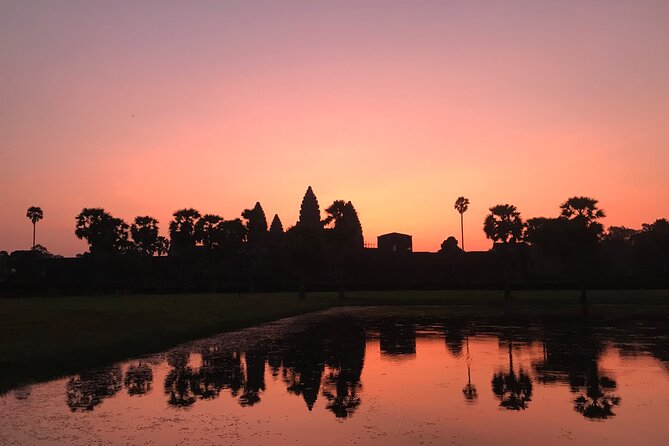
The alarm comes early. Pickup is set for 4:30 a.m. so you can reach Angkor Wat for sunrise. You have about 90 minutes at the temple during this first visit.
Sunrise is beautiful, but it is not a private event. Many people aim for the same reflection pools and front-facing view. Go for the changing light and the chance to see Angkor Wat before the heat builds, not because the morning will be empty.
After sunrise, the route heads to Banteay Srei, about 37 kilometers north of Angkor Wat. The drive is part of the experience, since the temple sits away from the central cluster. The name means Lady Temple, and the site is known for its pink sandstone and exceptionally fine carvings.
Banteay Srei is smaller than Angkor Wat, but its detail rewards a slow look. You can examine door frames, lintels, and figures at closer range. The one-hour visit is sensible, though some people may wish for more time after the early start and drive.
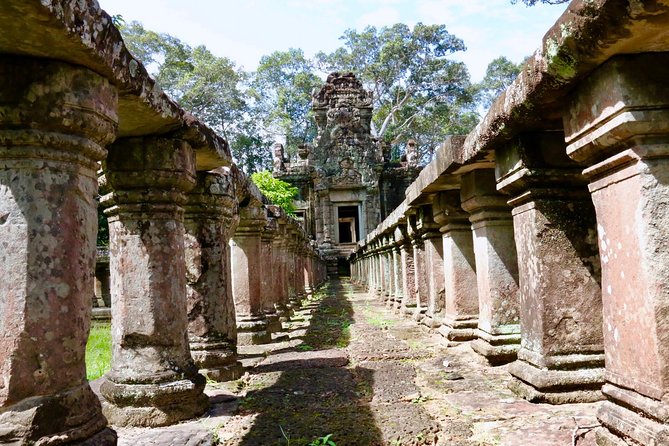
Preah Khan comes next, with about an hour. This large complex, also linked with Jayavarman VII, contains long passageways, courtyards, and finely carved stone. It is a good place to notice how temples worked as institutions, not simply as shrines. The size can be tiring, so use the guide’s route to avoid wandering without a plan.
Ta Som is a shorter 30-minute stop. Its Buddhist design and tree-covered entrance give it a smaller-scale version of the jungle-temple feeling. It is less demanding than Preah Khan and works well as a brief change of mood.
Neak Pean also gets about 30 minutes. The temple sits on an island in a reservoir and was designed with healing in mind. The approach across the water gives you a different view of Khmer engineering and sacred design, though the visit is more about the setting and concept than exploring a large building.
Banteay Samre closes the temple portion of the day. It is a well-preserved monument east of the main Angkor area, built under King Suryavarman II and dedicated to Shiva. Half an hour is enough for an introduction and photographs, but not a deeply detailed study.
Day two is cleverly varied, but it is also tiring. You have an early start, a long list of stops, and a second day of walking over uneven stone. I would plan a quiet evening afterward rather than adding nightlife or another major activity.
Day three: Phnom Kulen Waterfall and sacred mountain sites
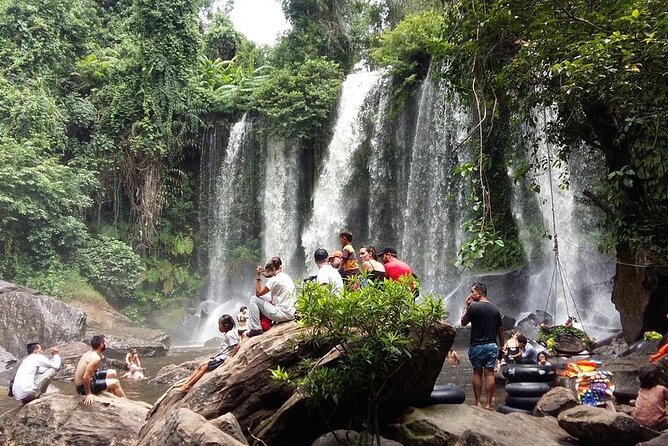
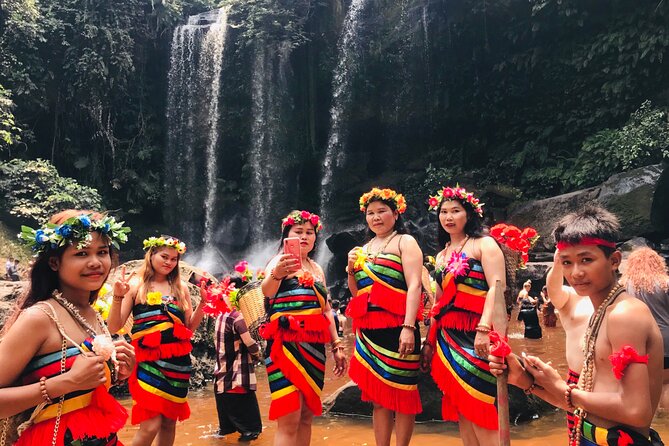
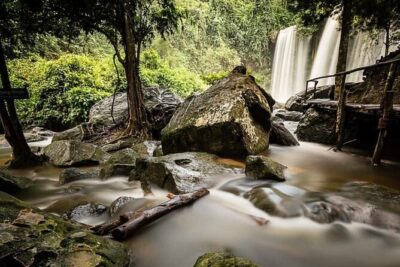
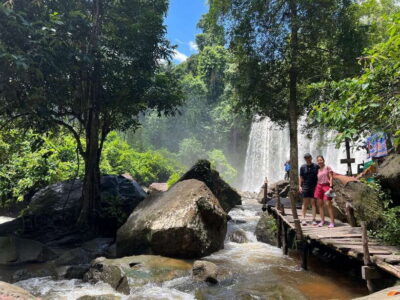
Phnom Kulen National Park changes the tone completely. Instead of temple complexes close to Siem Reap, you travel to a sacred mountain with several natural and religious sites. The planned visit lasts about two hours.
The park includes a waterfall, a reclining Buddha, a sacred river carved with thousands of lingas, Srah Damrei, and Bat Cave. These places show how Cambodian religious life connects water, mountains, symbols, and pilgrimage. The waterfall is the headline attraction, but the sacred river and reclining Buddha give the visit more meaning than a simple swimming stop.
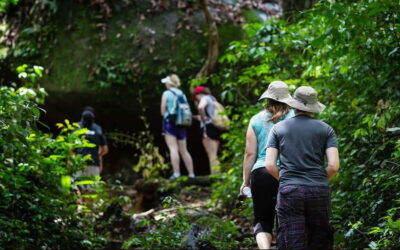
The tour data does not specify how much time you spend in the water or the exact walking conditions. Treat the park as an active outdoor visit. Wear secure shoes, carry sun protection, and bring a change of clothes if you plan to get wet. The included towels are useful here.
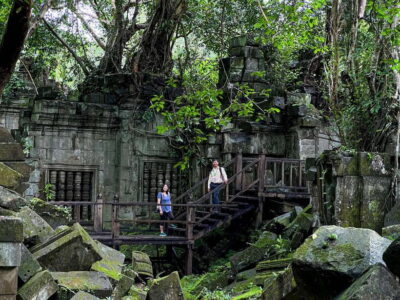
After Phnom Kulen, you continue to Prasat Beng Mealea, about 66 kilometers northeast of Siem Reap. This remote jungle temple is known for fallen stones, overgrown passages, and a less ordered feel than the major Angkor monuments.
Beng Mealea is a strong choice for anyone who wants ruins with a rougher edge. You may find fewer polished viewpoints and more broken masonry underfoot, so watch your step. The one-hour visit gives you time to see the core of the temple, but the long road to reach it makes this a substantial part of the day.
The final stop is Tonle Sap Lake, Southeast Asia’s largest freshwater lake. The tour description includes the floating village experience, while the detailed stop is listed as a one-hour visit to the lake. Ask for the exact village and boat arrangements before you go, since the information provided does not spell out those details.
Tonle Sap adds a human side to the program. Angkor shows royal power and religious architecture; the lake introduces communities shaped by changing water levels and fishing. It is an important contrast, but keep your expectations grounded. This is a short visit, not a full study of lake life.
More Angkor temple itineraries:
- Angkor Wat Sunrise or Sunset Tour with Guide from Siem Reap
5.0 · 12,109 reviews - Siem Reap: Angkor Wat: Small-Group Sunrise or Sunset Tour
5.0 · 9,444 reviews - Siem Reap: Angkor Wat 2-Day Tour with Sunrise and Sunset
4.9 · 4,429 reviews - Siem Reap: Full-Day Angkor Wat Guided Tour with Sunset
4.9 · 3,803 reviews
What the private guide adds
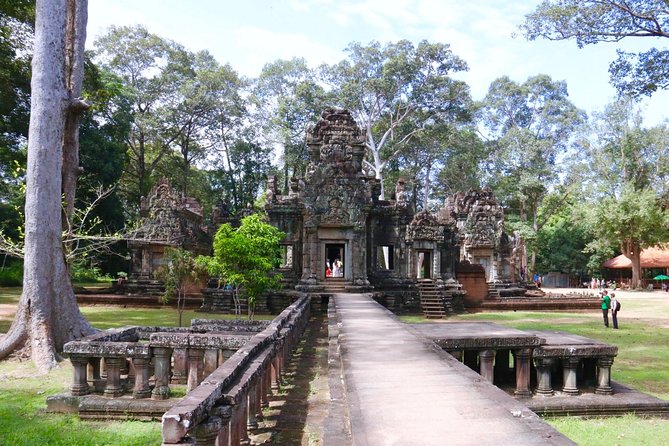
A private tour is most useful when the guide does more than recite dates. Hok is described as clear, sincere, funny, and passionate about the sites. He also has experience adjusting plans around what a group wants to see, which can help during a demanding three-day schedule.
I would use that flexibility wisely. Ask Hok to slow down at Bayon, Angkor Wat, and Banteay Srei, where details reward attention. At shorter stops such as Ta Som and Neak Pean, a concise explanation may be enough.
The private arrangement also suits families and first-time visitors who want reassurance with transport and timing. Several accounts describe Hok as kind, helpful, and attentive, including when he was guiding small groups and two women visiting Siem Reap for the first time. That does not remove the need to stay alert and communicate clearly, but it is useful support in an unfamiliar place.
Transport, meals, and what you still pay
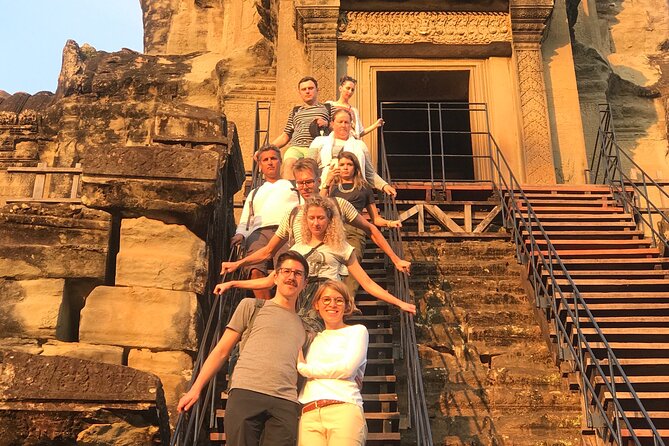
An air-conditioned vehicle is included, and that matters in Cambodia’s heat. You will spend time driving to Banteay Srei, Phnom Kulen, Beng Mealea, and Tonle Sap, so a cool vehicle makes the long third day easier.
Two lunches and drinks are included, along with cool water and towels. The details of the meals are not specified, so tell the operator about any dietary needs before departure rather than assuming a particular menu.
The $250 fee does not include accommodation. This is a benefit if you already have a hotel or want to choose a place that fits your budget. It also means you must add your own lodging costs and arrange your stay around the 4:30 a.m. pickup.
Temple admission is not included, and neither is the Phnom Kulen ticket. These extra charges are important because the tour visits many Angkor sites over two days. Check current prices before booking, since the total cost will be higher than the headline amount.
Who should book this three-day route
I would recommend it to you if you want a broad first look at Siem Reap and prefer one private guide to manage the major pieces. It suits people who care about history, religion, photography, countryside scenery, and local life in roughly equal measure.
It is also a good match for families or small groups that value a private vehicle and direct help from a guide. The itinerary can be adjusted more easily in a private setting than on a fixed coach route.
I would hesitate if you want slow temple visits, late mornings, or long periods with no schedule. This program covers a lot. The sunrise start, sunset attempt, repeated walking, and long third-day drives are the price of seeing so much in three days.
The operator accepts group discounts, which may improve the value for larger parties. Confirmation is provided at booking, and most people can participate. Cancellation is free if made at least three full days before the local start time; changes or cancellations inside that window are not refunded or accepted.
Should you book it?
Book this tour if you want breadth, private guiding, and strong coverage of Angkor without arranging each day yourself. The best parts are the contrast between Angkor Wat, Bayon, Ta Prohm, Banteay Srei, Phnom Kulen, Beng Mealea, and Tonle Sap, plus Hok’s lively way of explaining what you are seeing.
Skip it if your ideal holiday has a relaxed pace or if you dislike early starts and long drives. For an active first visit to Siem Reap, though, the route gives you far more than the postcard temple and makes the $250 price easier to justify once you account for the private transport, guide, lunches, drinks, and three full days of planning.
FAQ
Is accommodation included?
No. You choose and pay for your own hotel accommodation in Siem Reap.
Are Angkor temple tickets included?
No. Admission to the Angkor temples is not included in the tour price.
Is the Phnom Kulen National Park ticket included?
No. You must pay separately for the Phnom Kulen ticket.
What time does pickup begin?
Day one pickup is scheduled for 8:00 a.m. Day two pickup is scheduled for 4:30 a.m. for the Angkor Wat sunrise.
Is this a private tour?
Yes. Only your group participates in the private activity.
Is hotel pickup available?
Yes. Pickup is offered from your hotel.
What meals are included?
Two lunches and drinks are included during the three-day tour.
Is transportation provided?
Yes. An air-conditioned vehicle is included.
What does the cancellation policy allow?
You can cancel for a full refund if you cancel at least three full days before the experience begins. Cancellations or changes made less than three full days before the local start time are not accepted for a refund.
More 3-Day Experiences in Siem Reap
- From Siem Reap: Angkor Wat and Floating Village 3-Day Trip
5.0 · 100 reviews - 3-Day Angkor Wat with All Interesting Major Temples, Banteay Srei & Beng Mealea
5.0 · 70 reviews - 3-Day Angkor Wat & All Interesting Major Temples & Kulen Mount Waterfall
5.0 · 63 reviews - 3 Days Siem Reap Explorer – Small Group
5.0 · 50 reviews
Fresh reviews from around Siem Reap
- Full-Day Tour Preah Vihea & Koh Ker Temple 3.7 · 3 reviews
- Savor the Countryside: Tours with Authentic Cooking Classes” 5.0 · 3 reviews
- Angkor Wat Sunrise TukTuk Tour 5.0 · 3 reviews
- Angkor Grand Circuit Tour & Banteay Srei 5.0 · 3 reviews
- Guided Private Tuk Tuk Tour Angkor Wat and Small Circle and Five Extras 5.0 · 3 reviews
- Bangkok to Angkor Wat 2 Days 1 Night by Flight 4.5 · 3 reviews
- Siem Reap Temple Tour 2-Day with Sunrise/Sunset 3.7 · 3 reviews
- Kompong Pluk Tour 5.0 · 3 reviews
Phnom Kulen Tours, compared.
Phnom Kulen Waterfall & the Sacred 1000 Lingas (with Lunch)
Read our review →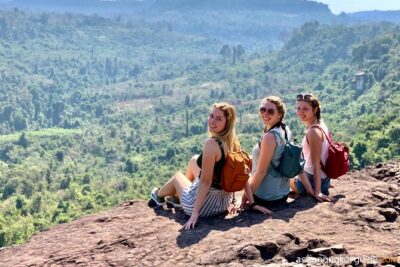
Kulen Mountain with Beng Mealea and Tonle Sap Small Group Tour
Read our review →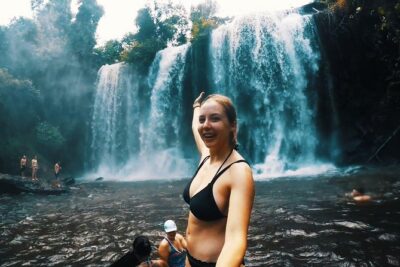
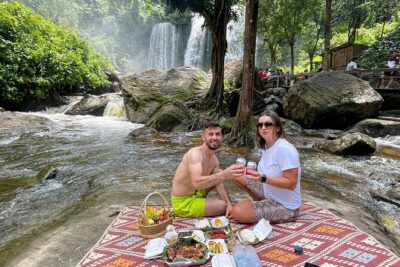
Kulen Mountain Waterfall Tour with Picnic Lunch from Siem Reap
Read our review →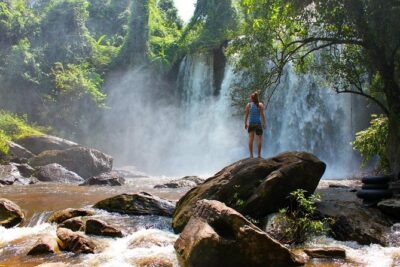
Browse the lists this tour appears in