
Reviewed · PHNOM KULEN TOURS
3-Day Angkor Wat Tour with Kulen Mountain & Floating Village
Angkor Wat at sunrise is the dramatic opener here, but the real strength of this tour is its range. In three long days, you move from Cambodia’s great temple complex to rural villages, a sacred mountain, a jungle-shrouded ruin, and life on Tonle Sap Lake. Day 1 begins before dawn, so you get a cooler, quieter start before the main heat and crowds arrive.
I like the mix of famous sights and local stops, especially the village breakfast of Khmer noodle soup, palm cake, and steamed rice dumplings with palm sugar. I also like the care built into the day: guides such as Moni, Sam, Phanne, and Kamsan are praised for clear explanations and patience, while drivers regularly provide cold water and towels. The main drawback is the pace. Three early starts and many temples can leave you tired, and Day 3 is a long outing with considerable driving.
In This Review
- Key points to know before booking
- Sunrise at Angkor Wat, before the heat arrives
- A village breakfast and the Small Circuit
- Grand Circuit temples and the countryside around Siem Reap
- Banteay Srei and the difficult story of landmines
- Kulen Mountain, waterfalls, and the start of the Khmer Empire
- Beng Melea, the jungle ruin with a rougher edge
- Kampong Phluk and life on Tonle Sap
- What the $139 price really covers
- Who should book this three-day route
- Should you book it?
- FAQ
- How long is the tour?
- What time is hotel pickup?
- Is the Angkor pass included?
- Are Kulen Mountain and Kampong Phluk fees included?
- What meals are included?
- Is transportation included?
- How large is the group?
- What language does the guide speak?
- What should I wear and bring?
Key points to know before booking
- Sunrise at Angkor Wat: Arrive between 4:30 and 5:00 am for the temple silhouette and early morning light.
- Two full temple days: The route covers Angkor Wat, Ta Prohm, Bayon, Angkor Thom, Preah Khan, Neak Pean, Ta Som, East Mebon, and Banteay Srei.
- A wider view of Cambodia: Kulen Mountain and Kampong Phluk show sacred sites, village life, and the Tonle Sap fishing economy.
- Helpful guide service: English-speaking guides explain the temples and Cambodian life, with names including Sam, Moni, Kamsan, Phanne, Dara, and Mr Sa appearing among the guide team.
- Extra costs matter: The advertised $139 price does not include the three-day Angkor pass, Kulen National Park admission, the Kampong Phluk boat ticket, or most meals.
- Bring temple-ready clothing: Sunglasses, a hat, insect repellent, and sunscreen are useful. Short skirts and sleeveless shirts are not allowed.
Sunrise at Angkor Wat, before the heat arrives
Your first pickup is between 4:30 and 5:00 am from the hotel lobby. That is early even by temple-tour standards, so set out your clothes and camera the night before. You are asked to wait in the lobby 10 minutes before pickup, a small detail that matters when the morning schedule is tight.
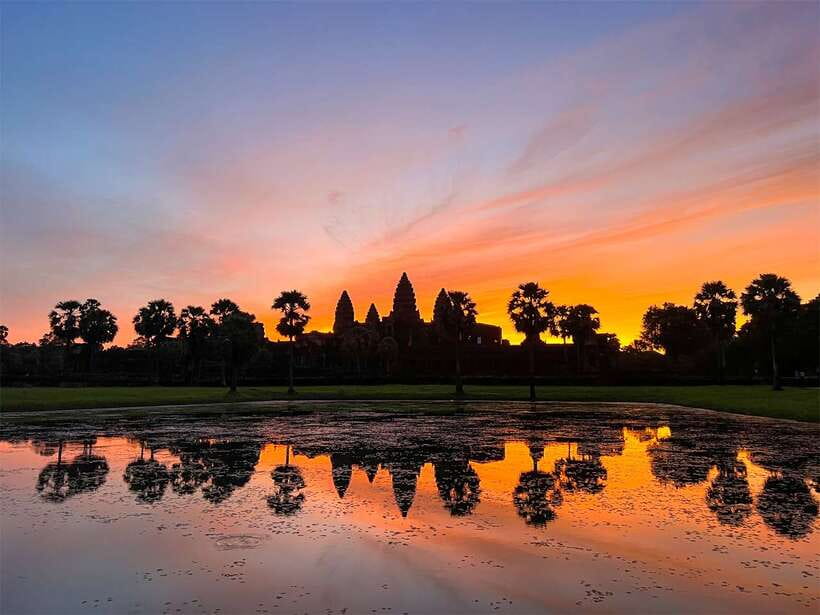
The sunrise is the day’s big visual moment. You watch the sky brighten behind Angkor Wat, with the temple towers gradually taking shape in the changing light. Your guide can position you at a suitable viewing place, and one guide, Moni, is specifically praised for finding a special spot for this moment.
After sunrise, you spend about 90 minutes exploring Angkor Wat itself. That timing is useful. Many tours hurry straight on after the first photographs, but here you have a chance to see the building while the morning is still relatively cool. Look for the enormous galleries, long walls, towers, and carved scenes. Your guide’s explanations help turn the stonework into a story rather than a string of photo stops.
The famous sunrise also brings crowds. You should expect other visitors, especially around the best-known reflection points. The early departure reduces the worst of the heat and helps you get ahead of some groups, but it does not make Angkor Wat private.
More Phnom Kulen mountain days:
- Kulen Waterfall Join-in Tour (local Picnic lunch)
5.0 · 2,434 reviews - Kulen Mountain: Small-Group Tour and Picnic lunch
4.9 · 1,802 reviews - Siem Reap: Kulen Mountain, Beng Mealea and Tonle Sap Tour
5.0 · 1,483 reviews
A village breakfast and the Small Circuit
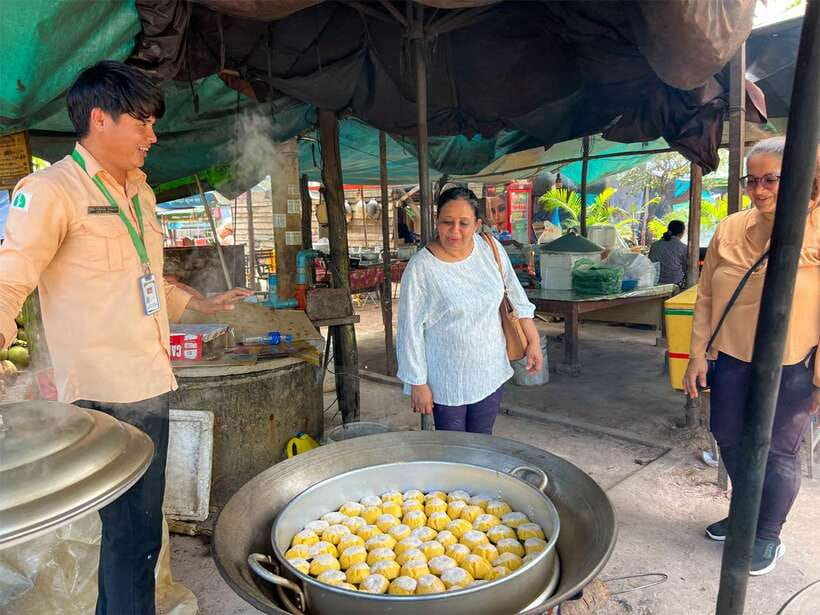
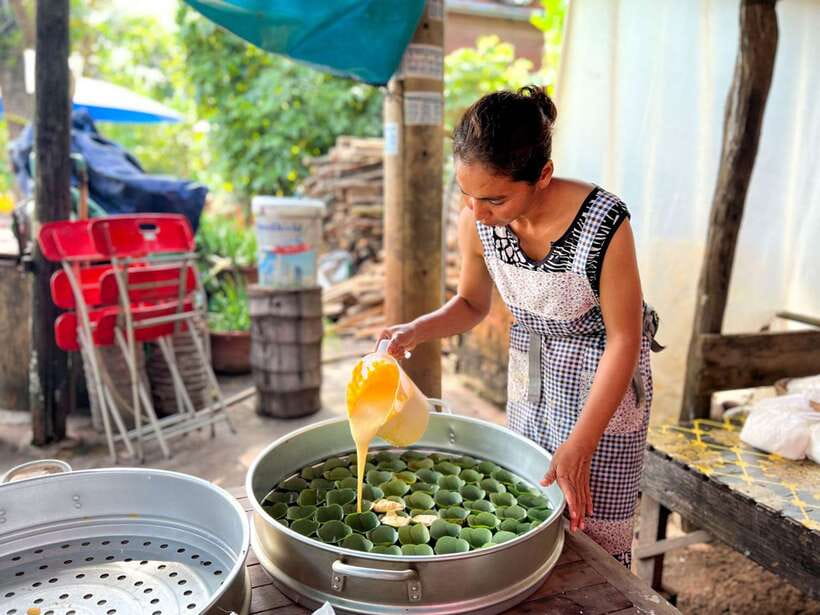
After Angkor Wat, the tour takes a short break in a village for breakfast. The included meal is not a hotel buffet. You may try Khmer noodle soup and traditional sweets such as palm cake and steamed rice dumplings with palm sugar. This is one of the more appealing parts of the schedule because it connects the temple visit with ordinary Cambodian food.
Food and soft drinks are otherwise excluded, so keep extra cash available. The breakfast is included only on Day 1, and one local lunch is included on Day 2. Day 3 lunch is described as being at a local restaurant, but food is not included in the overall price.
The next stop is a local market. It gives you a quick look at the produce, snacks, and daily trade of the area before the tour returns to the major monuments. Do not expect a long market visit. Its value is in the contrast: a working local place between grand royal temples.
Pre Rup follows. Built of warm-toned stone, this temple has a strong, compact shape and broad upper levels. It is a good introduction to the way Angkor temples were designed to rise above the surrounding ground. The stairways can be steep, so shoes with a firm grip are sensible.
Ta Prohm is the most atmospheric stop of the circuit. Trees and huge roots have grown across parts of the temple, and the monument remains partly overgrown rather than being cleared into a perfectly tidy ruin. You will see why it is often remembered as the jungle temple. The setting is striking, though narrow paths and popular photo points can slow your progress.
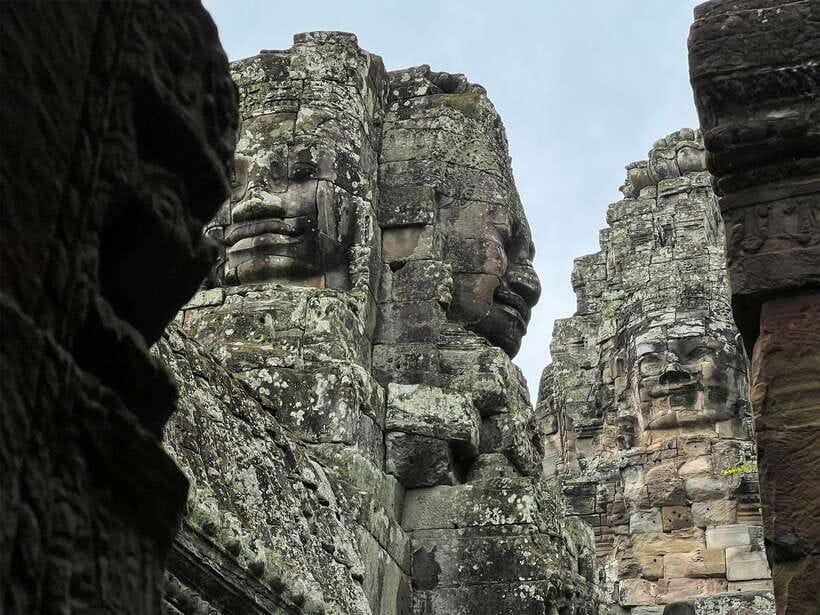
The day continues to Bayon, famous for its serene stone faces, and the Victory Gate of Angkor Thom. Bayon rewards patience. From a distance, the towers can look confusing, but as you walk among them, individual faces appear and disappear between the galleries. At the Victory Gate, your guide can help explain how the entrance fitted into Angkor Thom’s larger defensive and ceremonial design.
Grand Circuit temples and the countryside around Siem Reap
Day 2 begins at 8:00 am, a welcome improvement after the first morning’s pre-dawn pickup. You leave the center of Siem Reap and spend part of the morning seeing rural Cambodia on the way to the outer temples.
This is where a local guide adds real value. The drive is not just dead time between monuments. You pass villages and rice paddies, and you get a look at daily life outside the tourist center. Conditions change with the season, so the scenery will not look identical on every departure, but the route is meant to show you a more ordinary side of Siem Reap Province.
Preah Khan is a broad temple complex with long corridors, courtyards, carved details, and a sense of scale that can be easier to appreciate than at Angkor Wat. It is large enough to feel like a place to explore, not simply a single tower viewed from the front.
Neak Pean is a different kind of stop. Its central sanctuary sits within a watery setting, and the approach gives the monument a more open, peaceful feel than the enclosed temple galleries. Water levels and seasonal conditions can affect the exact appearance, but the site’s design is the main attraction.
Ta Som is smaller and more intimate. Like Ta Prohm, it includes trees and roots pressing into the old stonework, though on a more modest scale. This stop works well after the larger temples because you can focus on details instead of distance.
East Mebon completes the morning’s temple sequence. Its raised form, towers, and surviving carvings show another variation in Angkor design. By this point, you will have seen enough temples to notice differences in layout, decoration, and setting. That is one reason the two-day temple plan works better than trying to force all these sites into one exhausting day.
Banteay Srei and the difficult story of landmines
Lunch on Day 2 is included as one individual dish from a menu. That arrangement gives you a choice, though drinks and other food are extra. Use the break to rest, refill your water, and prepare for the afternoon drive.
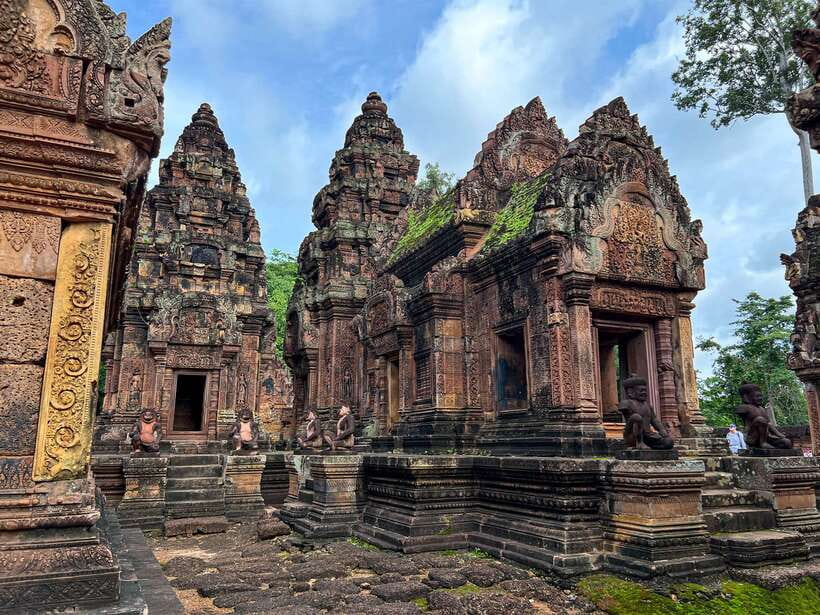
Banteay Srei is often the artistic highlight of the outer-temple route. This smaller sandstone temple is known for unusually fine carvings and carefully worked reliefs. Its scale makes the detail easier to appreciate, although the site can feel busy because it is one of the most sought-after stops outside the main Angkor circuit.
The Cambodian Landmine Museum adds a serious modern chapter to the day. It shifts the focus from ancient kings and stone carving to the long effects of war and unexploded ordnance in Cambodia. I see this as an important counterweight to a temple-only itinerary. It may not be a light stop, but it gives context to the country you are visiting now.
Day 2 is still demanding. The morning starts later, but you cover several temples and make the trip to Banteay Srei and the museum. If you prefer slow visits with long pauses, this schedule may feel full. If you want a broad first look at Angkor, it is efficient.
More floating village visits:
- From Siem Reap: Kampong Phluk Floating Village Tour by Boat
4.9 · 6,979 reviews - Sunset tour of Kampong Phluk stilts home village on the Tonle Sap
5.0 · 4,865 reviews - Siem Reap: Kampong Phluk Floating Village Tour with Boat
4.9 · 3,843 reviews - Siem Reap Floating Village Kampong Phluk Sunset with Boat
5.0 · 1,962 reviews
Kulen Mountain, waterfalls, and the start of the Khmer Empire
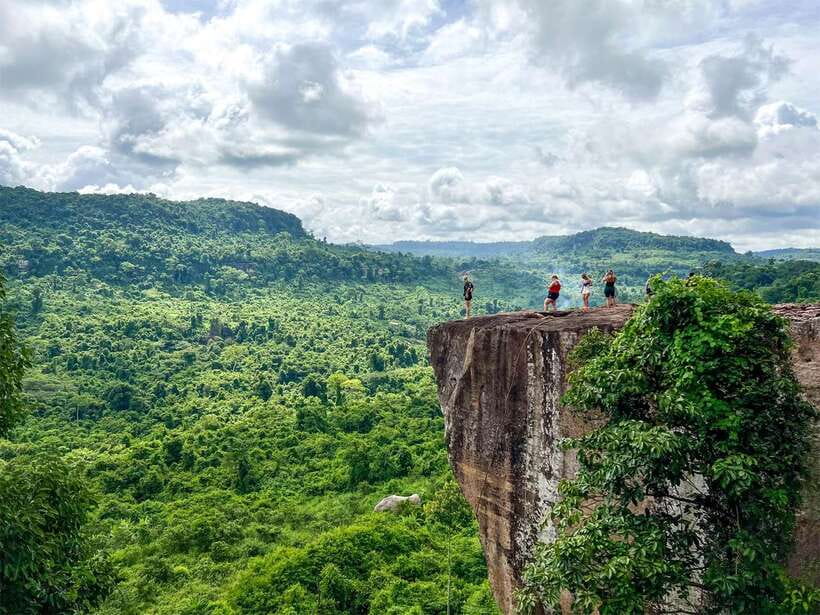
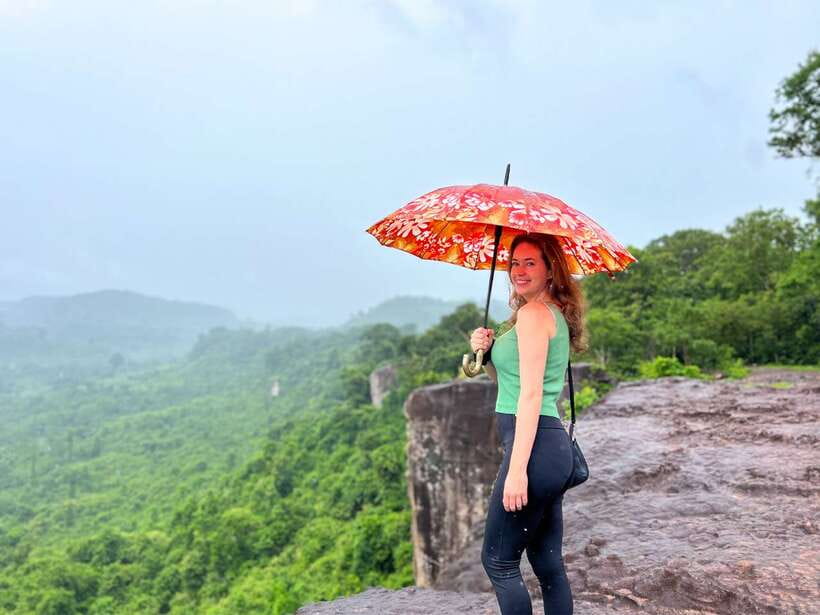
Day 3 begins at 8:00 am with a drive of about one hour to Phnom Kulen National Park. The road takes you through rural villages and past rice paddies, so the journey itself is part of the day’s change of scene.
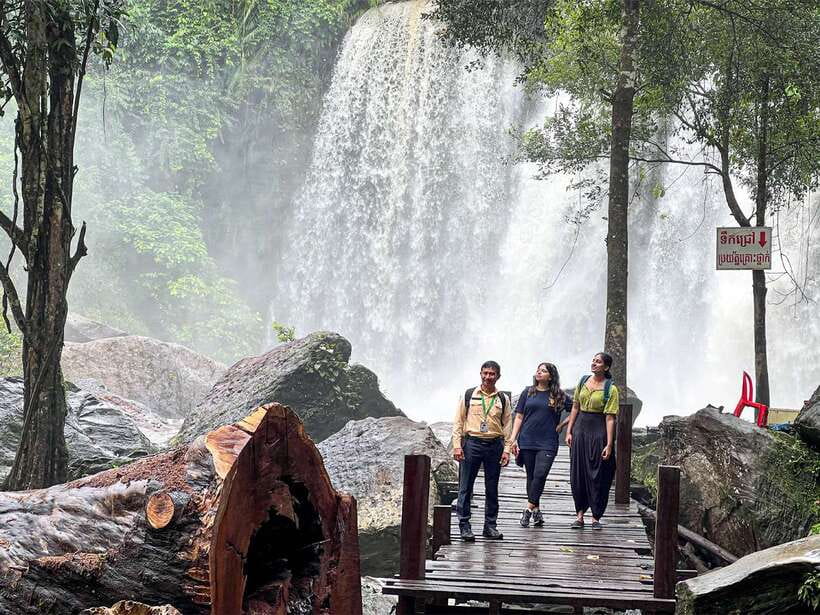
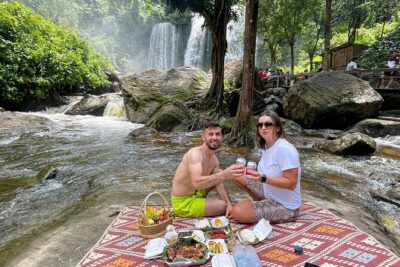
Kulen Mountain is presented as the birthplace of the Khmer Empire, and the park’s sites add religious and natural variety to the temple program. Your guide takes you to the largest and most scenic waterfalls, a reclining Buddha sculpture, and the River of Thousand Lingas, carved in 802 AD.
The waterfalls offer a welcome change after two days of stone galleries. You can expect wet rock and potentially slippery ground, so practical footwear matters. The supplied information does not promise swimming, so treat the falls as a sightseeing stop unless your guide confirms otherwise.
The reclining Buddha and River of Thousand Lingas show how sacred meaning was placed into the mountain itself. The river carvings are especially unusual because the water passes over old stone designs rather than simply beside a temple. Your guide’s explanation is useful here, since the site is less immediately familiar than Angkor Wat.
Admission to Kulen National Park costs $20 per person and is not included. Add that to your planning before you compare the tour price with other three-day options.
Beng Melea, the jungle ruin with a rougher edge
Lunch is planned at a local restaurant before the drive to Beng Melea. Since food is excluded, ask your guide about the available choices and budget separately for the meal.
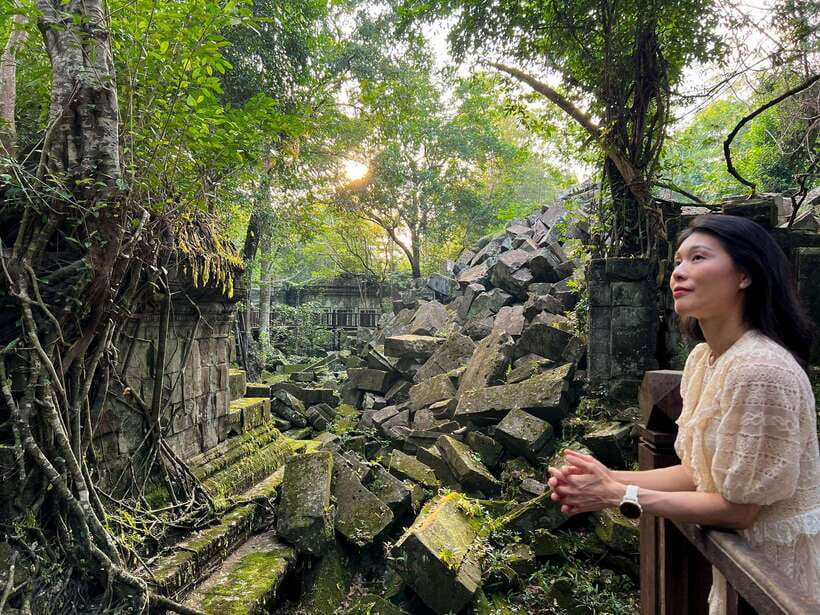
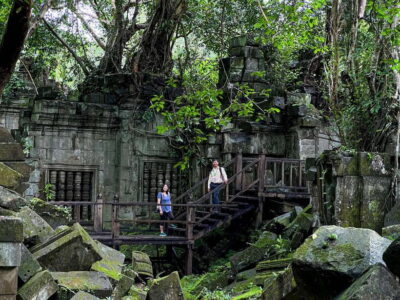
Beng Melea is a 12th-century temple heavily covered by vegetation, trees, vines, and moss. It has not been fully restored, which gives the site a broken, untamed character. You are not seeing a polished monument with every block neatly placed back into position. You are seeing a ruin shaped by time, weather, and plant growth.
That atmosphere is the reason many people enjoy Beng Melea, but it also means uneven surfaces and less predictable footing. The temple is surrounded by rainforest and has been overgrown for more than 300 years, so expect a rougher visit than at the more maintained central Angkor sites.
Day 3 is the least temple-focused day, but it is also the longest-feeling day because of the driving. One published rating specifically found the final day slower than the first two. I would book this schedule for variety, not for a relaxed final afternoon.
Kampong Phluk and life on Tonle Sap
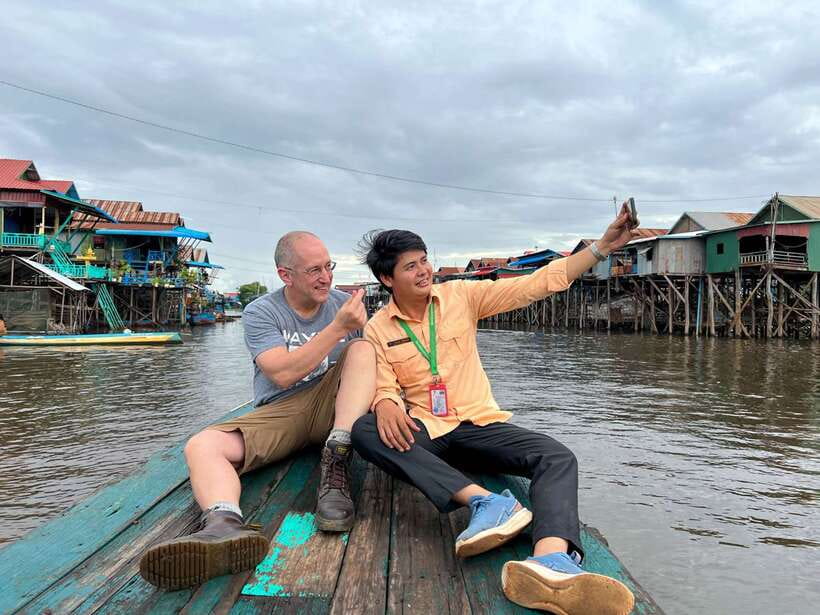
The final major stop is Kampong Phluk, a floating village on Tonle Sap Lake. You take a boat from the ferry area and see how families make their living mainly through fishing.
The houses are brightly colored and built on long poles along the lake shore. Those poles help keep homes above high water during the rainy season. Water levels change the appearance of the village, so the exact setting depends on when you go. The boat ride gives you a direct view of homes, waterways, and the practical relationship between the village and the lake.
The private boat cruise costs $15 per person and is not included. This is an important extra because the boat is not an optional minor add-on if you want to complete the stated village visit.
One review praised the boat ride and the walk back through village lanes, including encounters with smiling children. Keep your camera respectful here. This is a lived-in community, not a stage set, and the strongest part of the stop is seeing daily life without pretending it is a theme park.
What the $139 price really covers
The base cost is $139 per person. Add the three-day Angkor pass at $62, the Kulen National Park fee at $20, and the Kampong Phluk boat ticket at $15. That brings the known total to $236 per person before most meals and soft drinks.
At $236, the value depends on what you want from a guide. You are paying for three days of hotel pickup and drop-off, air-conditioned private transportation, an English-speaking guide, water, towels, a village breakfast, and one included lunch. You are also covering a wide route that would be awkward to organize independently in the same time.
The driver service gets repeated praise in the supplied feedback. Cold face cloths, chilled water, open doors, and a driver waiting after temple visits may sound small, but they matter in Cambodia’s heat. Guides including Phanne, Kamsan, Moni, Sam, Dara, Mr Sa, Mr Ho, and Seila are described as attentive, patient, funny, and good at explaining both temples and Cambodian life.
The tour is listed as a small group of up to 10. A fully private option is also recommended for greater flexibility, and some departures have effectively operated as near-private tours. If you want to add a stop or change the pace, ask specifically about the private version before booking rather than assuming the standard format includes it.
Who should book this three-day route
I would choose this tour if you have three days in Siem Reap and want more than the central Angkor highlights. It suits first-time visitors who want the major temples explained properly, along with a mountain park, a less restored ruin, and a lake village.
It is also a good fit if you dislike arranging separate tuk-tuks, cars, tickets, and boat transfers. The route is broad, the transport is air-conditioned, and a guide keeps the transitions simple.
I would hesitate if you want slow photography sessions, late mornings, or long meals. The first day begins before dawn, the temple count is high, and the third day combines mountain sights, a jungle ruin, and a boat ride. Wear modest clothing that covers shoulders and knees, bring sunscreen and insect repellent, and carry sunglasses and a hat.
Free cancellation is available up to 24 hours before departure, and you can reserve now and pay later. Starting times depend on availability, so confirm the exact pickup details when you book.
Should you book it?
Book this tour if you want a well-organized first look at Angkor plus the wider Siem Reap area. Its best features are the early Angkor Wat start, the strong range of temples, the local breakfast, the Kulen Mountain stops, and the chance to see Kampong Phluk by boat.
Skip it if your priority is a quiet, unhurried temple study. For most first visits, though, the $139 starting price buys a useful structure, and the additional ticket costs are clear. Choose the fully private option if flexibility matters most. Otherwise, the small-group format offers a practical way to see a great deal in three full days.
FAQ
How long is the tour?
The tour lasts three days. Day 1 starts between 4:30 and 5:00 am, while Days 2 and 3 depart at 8:00 am.
What time is hotel pickup?
Hotel pickup is between 4:30 and 5:00 am on Day 1, and at 8:00 am on Days 2 and 3. You should wait in the hotel lobby 10 minutes before the scheduled pickup.
Is the Angkor pass included?
No. The three-day Angkor pass costs $62 per person and must be paid separately.
Are Kulen Mountain and Kampong Phluk fees included?
No. Phnom Kulen National Park admission costs $20 per person, and the private boat cruise at Kampong Phluk costs $15 per person.
What meals are included?
Breakfast in a village is included on Day 1. One local lunch is included on Day 2, with an individual dish ordered from a menu. Other food and soft drinks are not included.
Is transportation included?
Yes. Hotel pickup and drop-off and private air-conditioned transportation are included. Cool bottled water and towels are also provided during the tour.
How large is the group?
The tour is described as a small group with up to 10 participants. A fully private option may be available if you want more flexibility.
What language does the guide speak?
The live guide speaks English. Guides named in the tour information include Sam, Moni, Kamsan, Phanne, Dara, Mr Sa, Mr Ho, and Seila.
What should I wear and bring?
Bring sunglasses, a hat, insect repellent, and sunscreen. Short skirts and sleeveless shirts are not allowed at the temple sites, so wear clothing that covers your shoulders and knees.
More 3-Day Experiences in Siem Reap
- From Siem Reap: Angkor Wat and Floating Village 3-Day Trip
5.0 · 100 reviews - 3-Day Angkor Wat with All Interesting Major Temples, Banteay Srei & Beng Mealea
5.0 · 70 reviews - 3-Day Angkor Wat & All Interesting Major Temples & Kulen Mount Waterfall
5.0 · 63 reviews - 3 Days Siem Reap Explorer – Small Group
5.0 · 50 reviews
More Angkor Temple Itineraries
- Angkor Wat Sunrise or Sunset Tour with Guide from Siem Reap
5.0 · 12,109 reviews - Siem Reap: Angkor Wat: Small-Group Sunrise or Sunset Tour
5.0 · 9,444 reviews - Siem Reap: Angkor Wat 2-Day Tour with Sunrise and Sunset
4.9 · 4,429 reviews - Siem Reap: Full-Day Angkor Wat Guided Tour with Sunset
4.9 · 3,803 reviews
Fresh reviews from around Siem Reap
- Full-Day Tour Preah Vihea & Koh Ker Temple 3.7 · 3 reviews
- Savor the Countryside: Tours with Authentic Cooking Classes” 5.0 · 3 reviews
- Angkor Wat Sunrise TukTuk Tour 5.0 · 3 reviews
- Angkor Grand Circuit Tour & Banteay Srei 5.0 · 3 reviews
- Guided Private Tuk Tuk Tour Angkor Wat and Small Circle and Five Extras 5.0 · 3 reviews
- Siem Reap Temple Tour 2-Day with Sunrise/Sunset 3.7 · 3 reviews
- Bangkok to Angkor Wat 2 Days 1 Night by Flight 4.5 · 3 reviews
- Kompong Pluk Tour 5.0 · 3 reviews
Phnom Kulen Tours, compared.
Phnom Kulen Waterfall & the Sacred 1000 Lingas (with Lunch)
Read our review →
Kulen Mountain with Beng Mealea and Tonle Sap Small Group Tour
Read our review →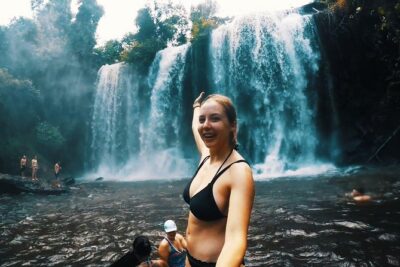
Kulen Mountain Waterfall Tour with Picnic Lunch from Siem Reap
Read our review →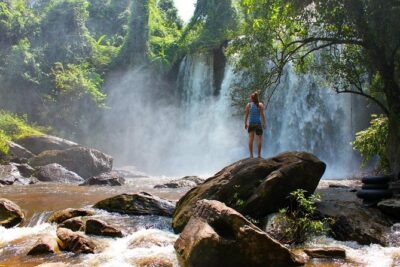
Browse the lists this tour appears in