
Reviewed · FLOATING VILLAGE TOURS
War Museum, Killing Field and Floating Village ( Kampong Phluk)
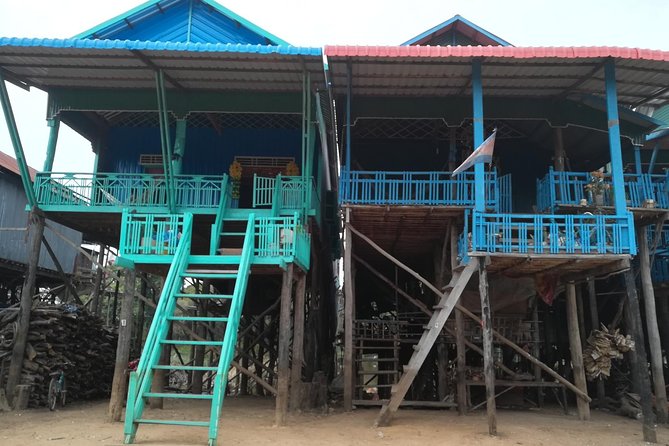
Kampong Phluk is the heart of this day. Its homes sit high on wooden stilts, and the village changes with the water level. You may walk on dry ground or see water covering the lower steps, depending on the season. I like the private format and the way one guide can connect village life with Cambodia’s recent past. I also like having air-conditioned transport between stops.
The main catch is cost. At $79 per person, you still pay $5 for the War Museum and $3 for Wat Thmey, plus your own food and drinks. The four-hour village visit also means this is not a quick add-on after Angkor Wat. You are giving it most of a day.
In This Review
- Key points at a glance
- Why this day works after Angkor Wat
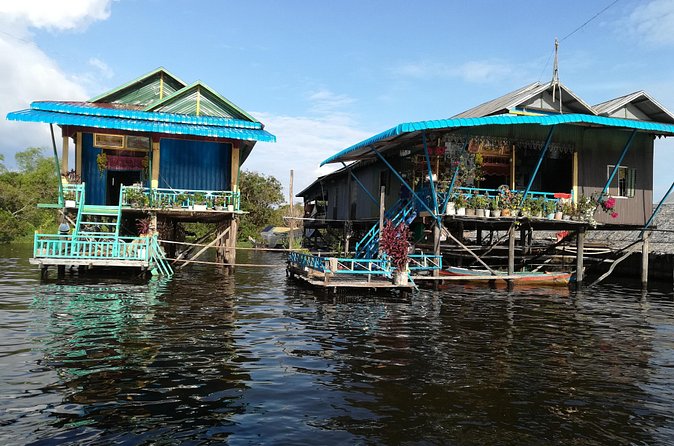
- Kampong Phluk and its tall stilt houses
- Wat Thmey and Siem Reap’s Killing Fields
- The Siem Reap War Museum
- Guides make the difference
- Transport, timing, and the real price
- Who should choose this experience
- Practical advice before you go
- Should you book it?
- FAQ
- What time does the tour start?
- How long does the experience last?
- Is hotel pickup available?
- Is the tour private?
- Are all entrance fees included?
- Can I cancel for a full refund?
Key points at a glance
- Kampong Phluk changes with the season: The stilted village looks and feels different when water covers the lower walkways.
- Private travel keeps the day flexible: Only your own group takes part, with pickup and transport in an air-conditioned car or minivan.
- The boat ride is included: Your village admission and cruise are covered, unlike the separate fees at the War Museum and Wat Thmey.
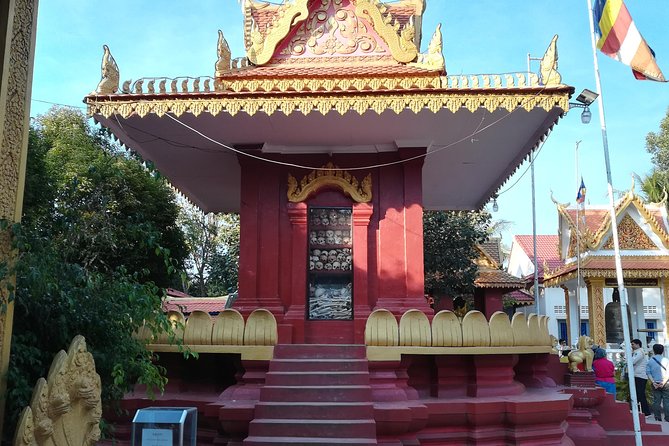
- Wat Thmey adds a quiet, serious stop: This pagoda marks the Siem Reap Killing Fields and introduces the crimes of the Khmer Rouge period.
- The War Museum uses military hardware and personal context: Vehicles and weapons support the guide’s account of Cambodia’s civil war.
- Budget an extra $8 per person: The two city attractions charge separate admission fees.
Why this day works after Angkor Wat
Most people come to Siem Reap for the temples. That is sensible, but Cambodia is much larger than its stone towers. This tour gives you a useful second day, moving from present-day village life to the country’s painful modern past.
I like the range. In one outing, you see homes raised above floodwater, a Buddhist pagoda linked to the Killing Fields, and a museum filled with the machinery of war. These are very different places, so the day does not feel like three versions of the same sight.
The order also makes sense. You leave town for Kampong Phluk in the morning, then return to Siem Reap for Wat Thmey and the War Museum. After several temple days, an air-conditioned car or minivan is a welcome relief. The tour starts at 8:00 am and runs about seven to eight hours.
Because this is a private activity, you travel only with your own group. That matters most at the more serious stops. You can ask a question, pause, or spend a little less time at one site without trying to keep up with a large coach.
More floating village visits:
- From Siem Reap: Kampong Phluk Floating Village Tour by Boat
4.9 · 6,979 reviews - Sunset tour of Kampong Phluk stilts home village on the Tonle Sap
5.0 · 4,865 reviews - Siem Reap: Kampong Phluk Floating Village Tour with Boat
4.9 · 3,843 reviews
Kampong Phluk and its tall stilt houses
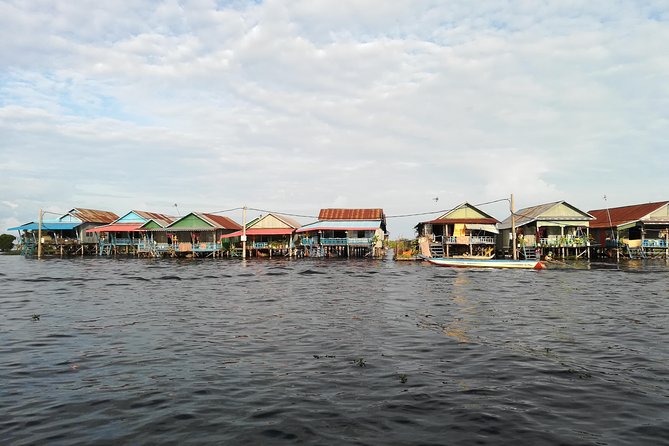
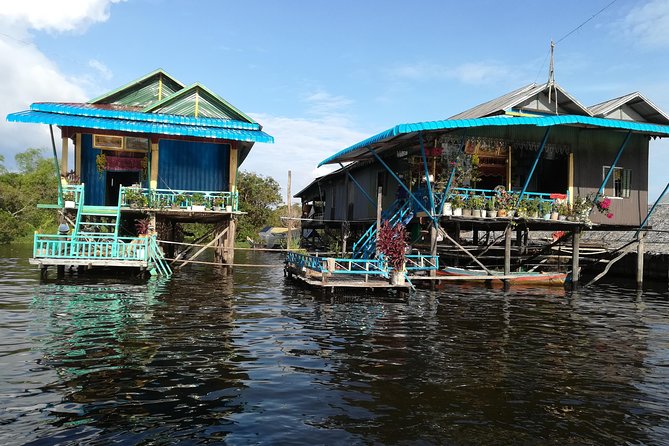
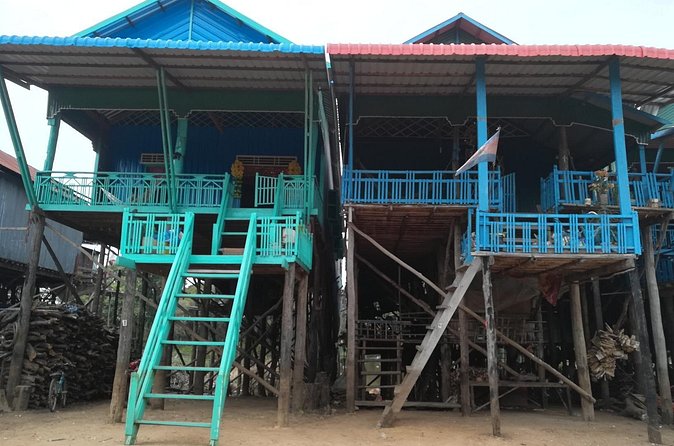
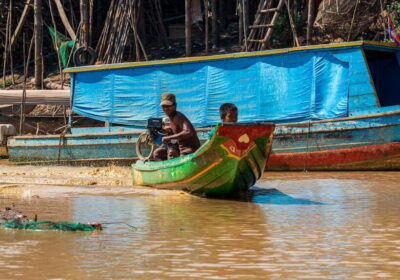
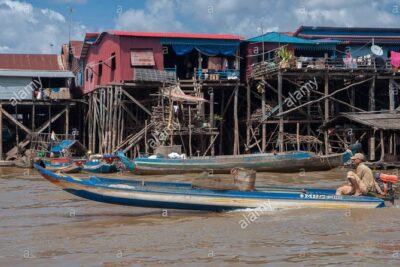
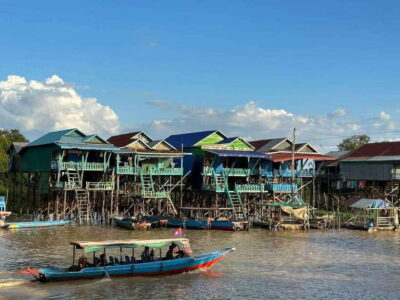
Kampong Phluk lies about 25 kilometers southeast of Siem Reap. It is often called a floating village, but that name needs a small correction. The homes do not generally float. They sit on very tall stilts, built to cope with the large seasonal change in water levels.
That detail makes the visit more interesting, not less. You can see how a community adjusts its buildings to the local water cycle. The appearance depends on when you go. During high water, the lower parts of the village may be covered, and the boat becomes the natural way to see the homes. During low water, you may walk on land and see stairways, posts, and open ground that are hidden at other times.
The cruise ride is included in the tour price. This is important because it gives you a view that a simple roadside stop would miss. From the water, the height of the houses becomes clear. You get a sense of how far above the ground they are and why ordinary low-set buildings would not work here.
The visit is scheduled for four hours, the longest part of the day. That allows time for the drive, the boat ride, the village, and a stop at a local market. You can buy something at the market if you wish, but you are not required to purchase anything. I appreciate that distinction, since market stops can sometimes feel like compulsory shopping.
The village is the most local part of the experience. You are not looking at a polished historical display. You are seeing a working community and the practical ways people live with changing water levels. Keep your expectations realistic, though. This is not a theme park or a carefully staged cultural show. The appeal comes from seeing the setting and hearing your guide explain daily life.
A guide can add a great deal here. The company has used English-speaking guides including Pisith, Chen, Mak, and Bunpheng, also spelled Bunppeng in some booking information. Their role is not just to point toward the houses. A good guide can explain the village’s layout, the water conditions, and how the stop connects to life in Cambodia today.
Wat Thmey and Siem Reap’s Killing Fields
After Kampong Phluk, the tour returns to Siem Reap for Wat Thmey. The pagoda marks one of the city’s Killing Fields, a site connected to the Khmer Rouge regime led by Pol Pot.
This is a short stop of about one hour, but it carries more weight than its length suggests. You will hear about the Khmer Rouge period and the violence that affected Cambodia. The setting is a pagoda rather than a large formal museum, so the visit can feel quiet and direct.
I recommend treating this part of the day with respect. It is not a casual sightseeing stop, and the subject matter may be upsetting. The advantage of having a private guide is that you can ask for context in a more personal way, rather than simply moving through with a crowd.
Admission is not included in the stated tour inclusions. Budget $3 per person for Wat Thmey. This is a small extra, but it is worth knowing before you set out because the main tour description can otherwise give the impression that all entries are covered.
The stop works best if you want more than temple architecture. Wat Thmey is not being offered as another grand Angkor monument. It is a place for understanding what happened in Cambodia within living memory and how that past still shapes the country.
The Siem Reap War Museum
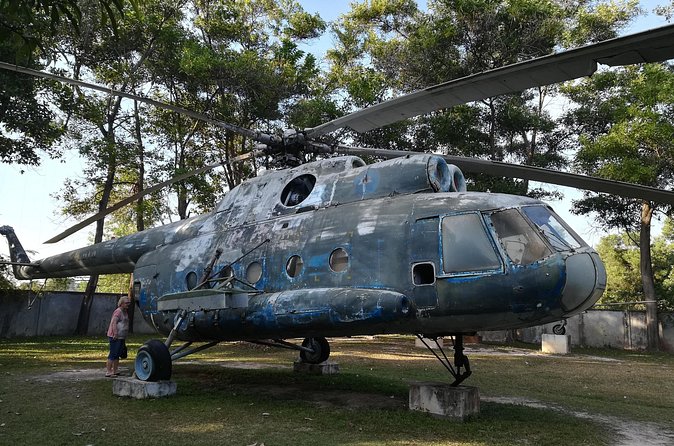
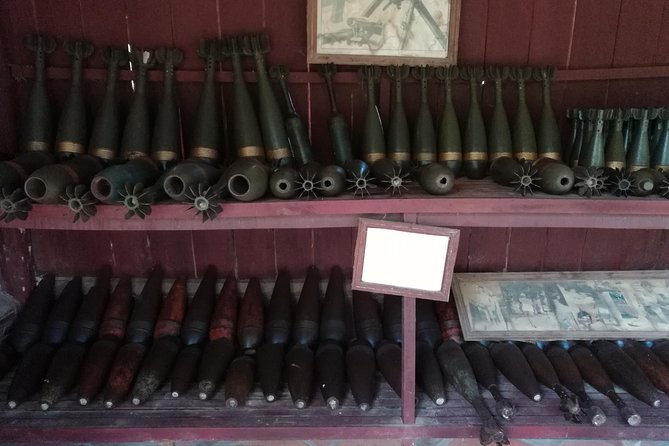
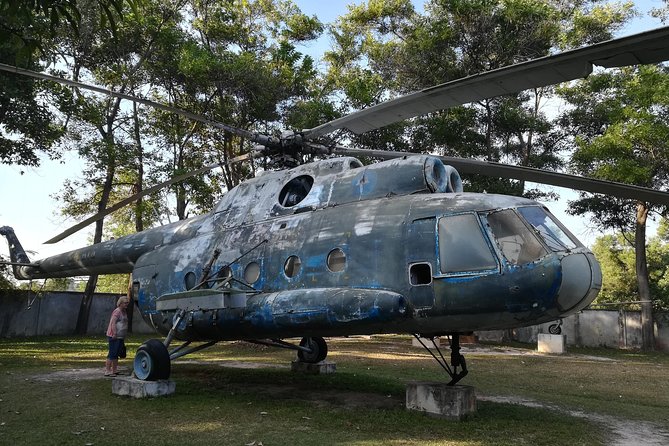
The War Museum gives the day a second look at Cambodia’s modern conflicts. Its collection includes military vehicles and weapons used during the long civil war. The objects are large and immediately visible, but the guide’s explanation is what gives them meaning.
The scheduled visit lasts about two hours. That is a generous amount of time for a museum of this type, especially if you want to examine the vehicles and ask questions. Your guide will also share personal experience of the war. That first-hand element can make the visit more human than a simple display of machinery.
The museum is not the same kind of attraction as a polished national institution. Its value is in the direct presentation of wartime equipment and the chance to hear local perspective. If you have little interest in military history, two hours may feel long. If you want to understand Cambodia beyond the temples, it can be one of the most useful stops.
The entrance fee is $5 per person and is paid separately. Along with the $3 Wat Thmey fee, this brings the known extra admission cost to $8 per person. Food and drinks are also excluded, though a bottle of cold drinking water is supplied.
The War Museum follows the Killing Fields stop well. Wat Thmey shows the human cost of political violence. The museum then gives you physical evidence of the conflicts that shaped the country. The subjects are difficult, but the pairing helps you place Cambodia’s recent past in a wider frame.
Related visits to Cambodian war museums and memorials:
- Bantey Srei, Kbal Spean and Landmine museum Private Tuk-Tuk
4.7 · 30 reviews - Siem Reap City Tour with War Museum and Killing Field
5.0 · 27 reviews - War Museum, Killing Field and Floating village ( Chong Kneas) Tour
5.0 · 14 reviews - Kbal Spean Trekking Tour with Banteay Srei and Landmine Museum
5.0 · 14 reviews
Guides make the difference
The strongest part of this experience is the guide’s role. You are not simply being driven to three places and left to work out the meaning yourself. The English-speaking guide is expected to explain Cambodian history, culture, and present-day life.
Several guide names are connected with this experience, including Gent, Mak, Pisith, Chen, and Bunpheng. Bunpheng has been singled out for making the day informative and helpful, while Mak has been praised for adding family experiences to the War Museum and Killing Fields visits. Those details suggest that the personal style of the guide can shape the day.
I would ask questions. At Kampong Phluk, ask about the difference between high and low water seasons. At Wat Thmey, ask for help placing the Khmer Rouge period in Cambodia’s wider history. At the War Museum, ask about the vehicles and the guide’s own experience of the civil war.
Because the tour is private, you do not have to keep your questions short. That is one reason the price can make sense for a couple, family, or small group that wants a more personal day.
Transport, timing, and the real price
The tour begins at 8:00 am and includes pickup. You travel by air-conditioned car or minivan, which matters in Siem Reap’s heat and on the road to Kampong Phluk. The total outing lasts about seven to eight hours, so plan it as a full day.
The advertised price is $79 per person. That includes transportation, the Kampong Phluk cruise, Kampong Phluk entrance, an English-speaking guide, and bottled water. It does not include meals, drinks beyond the supplied water, or accommodation.
Add $5 for the War Museum and $3 for Wat Thmey. Your practical minimum is therefore $87 per person before lunch or other purchases. The market visit is optional, so you can control that part of your spending.
For a private tour, the price is easier to justify if you are traveling with family or friends. You are paying for a full day, a dedicated vehicle, a guide, and the boat ride, rather than arranging each piece yourself. A solo visitor may find the cost harder to swallow, especially after adding the two admission fees.
The tour is often booked around 40 days ahead. That does not mean you must book that early, but it is a useful sign for anyone visiting during a busy period. Confirmation is provided at booking, and free cancellation is available up to 24 hours before the start time. Changes or cancellations inside that period are not accepted for a refund.
Who should choose this experience
I would choose this tour if you have already seen Angkor Wat and want a fuller picture of Siem Reap. It suits you if you care about local life, recent history, and having a guide explain what you are seeing.
Families may like the mix of a boat ride, village, market, and vehicles at the museum. The private setup also avoids placing children or older relatives into a large group schedule. Most people can take part, according to the activity information.
It is also a good choice for anyone who wants a simple day with transport arranged. You do not need to negotiate separate rides to Kampong Phluk, find the boat yourself, or work out how to connect the village with the city museums.
I would be more cautious if you want a slow temple day, dislike serious historical subjects, or prefer to explore independently. The schedule is full, and the Killing Fields stop is emotionally demanding. The four-hour village portion may also feel too long if you only want a quick photograph from the water.
Practical advice before you go
Wear comfortable clothing suitable for heat and walking. The exact amount of walking at Kampong Phluk depends on water conditions, since the village may be viewed partly on foot or more fully from the boat.
Bring money for the $8 in separate entrance fees, plus lunch and any optional market purchase. The tour supplies cold drinking water, but food and other drinks are your responsibility.
Keep the day open. With pickup at 8:00 am and a seven to eight-hour duration, you should not plan another fixed activity immediately afterward. The private format may offer some flexibility, but the drive and three substantial stops still require time.
If history matters to you, tell the guide early in the day. Guides such as Bunpheng, Chen, Mak, Gent, and Pisith have been associated with this experience, and the best use of the tour is to make it conversational rather than simply passing from stop to stop.
Should you book it?
Book this tour if you want Siem Reap beyond Angkor Wat. Kampong Phluk gives you a close look at stilted village life, while Wat Thmey and the War Museum explain the country’s painful recent past. The private vehicle, boat ride, guide, and included village entry create a useful package.
Skip it if you only want temples, a short outing, or the lowest possible price. The $79 fare becomes at least $87 after the two required site fees, and the day can feel heavy because of the Killing Fields and war material.
For a small group that values context and convenience, I think the experience earns its place in a Siem Reap plan. Just go knowing that you are booking a serious, full-day look at Cambodia, not a light sightseeing trip.
FAQ
What time does the tour start?
The tour starts at 8:00 am.
How long does the experience last?
The full experience takes approximately seven to eight hours.
Is hotel pickup available?
Pickup is offered, and transportation is provided by air-conditioned car or minivan.
Is the tour private?
Yes. Only your own group takes part in this private activity.
Are all entrance fees included?
Kampong Phluk admission and the cruise ride are included. The War Museum costs $5 per person, and Wat Thmey costs $3 per person. These two fees are not included.
Can I cancel for a full refund?
Yes, if you cancel at least 24 hours before the experience start time. Cancellations or changes made less than 24 hours before the start time are not refunded or accepted.
More Museums in Siem Reap
- Private Tour: HERO Rats & Angkor National Museum
4.5 · 16 reviews - Siem Reap: War Museum included Ticket and Pickup Drop Off
4.9 · 12 reviews - Bantreay Srei , Kbal Spean and Landmine Museum with Tuk Tuk
4.4 · 9 reviews - Half Day War Museum Siem Reap Killing Fields and Artisans Angkor
4.0 · 9 reviews
Fresh reviews from around Siem Reap
- Full-Day Tour Preah Vihea & Koh Ker Temple 3.7 · 3 reviews
- Savor the Countryside: Tours with Authentic Cooking Classes” 5.0 · 3 reviews
- Angkor Wat Sunrise TukTuk Tour 5.0 · 3 reviews
- Angkor Grand Circuit Tour & Banteay Srei 5.0 · 3 reviews
- Guided Private Tuk Tuk Tour Angkor Wat and Small Circle and Five Extras 5.0 · 3 reviews
- Siem Reap Temple Tour 2-Day with Sunrise/Sunset 3.7 · 3 reviews
- Bangkok to Angkor Wat 2 Days 1 Night by Flight 4.5 · 3 reviews
- Kompong Pluk Tour 5.0 · 3 reviews
Floating Village Tours, compared.
Sunset tour of Kampong Phluk stilts home village on the Tonle Sap
Read our review →
Siem Reap Floating Village Kampong Phluk Sunset with Boat
Read our review →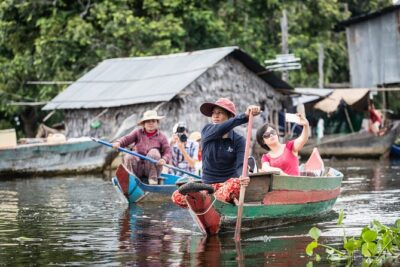
Kompong Phluk Floating Village Half-Day Tour ( Morning / Sunset )
Read our review →
Browse the lists this tour appears in