
Reviewed · FLOATING VILLAGE TOURS
Siem Reap: Kompong Phluk Floating Village Half-Day Tour
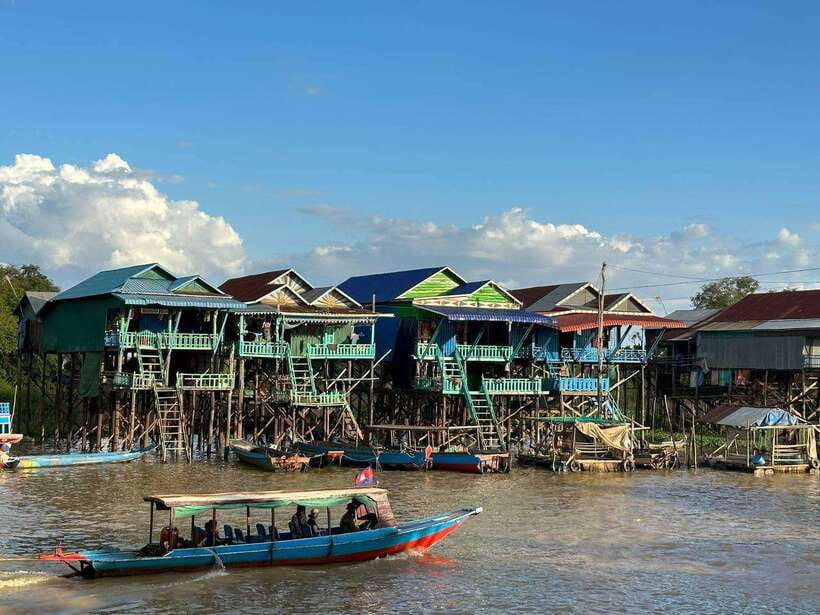
Kompong Phluk gives you a close look at life shaped by water. About 30 kilometers southeast of Siem Reap, this half-day outing moves from a local market and pagoda to stilted houses, fish farms, rice paddies, and the broad waters of Tonlé Sap. The village is the main event, but the market stop adds useful local context before you reach the boats.
I like the small-group format, limited to 10 people, and the way the tour mixes quiet observation with practical comforts: a cool minibus, bottled water, cold towels, and a guide who can explain what you are seeing. Guides such as Nara, Ry, Tola, Lok, and Phyrom Hoeum have been singled out for clear English, humor, and thoughtful help. The main drawback is seasonal: in the dry season, the village may be reached partly on foot, while the flooded forest canoe trip is generally available only from October to January.
In This Review
- Key points at a glance
- Why Kompong Phluk is worth your half-day
- Leaving Siem Reap in a cool minibus
- Ro Lus Market: the useful first stop
- A short pagoda visit at Wat Thammis…
- Reaching the stilted village by motorboat
- Tonlé Sap and the flooded forest option
- High water and dry-season differences
- Guides make or break the visit
- Is $24 good value?
- Who should book this half-day trip?
- Practical tips for a smoother visit
- Should you book Kompong Phluk?
- FAQ
- How far is Kompong Phluk from Siem Reap?
- How long does the tour last?
- Is hotel pickup included?
- Is the motorized boat included in the price?
- Does the tour include the flooded-forest canoe ride?
- Is food included?
- Can children under 12 join the tour?
Key points at a glance
- A real village visit, not just a boat ride: See stilted homes, floating businesses, fish farms, and daily life around Tonlé Sap.
- The local market comes first: Ro Lus Market offers a more everyday Cambodian scene than Siem Reap’s tourist markets.
- Water levels change the experience: High water creates a classic boat-based visit, while dry-season conditions can mean more walking.
- The flooded forest costs extra: The optional rowing boat is listed at $5 per person and normally operates from October through January.
- Morning or afternoon departures: Morning pickup begins around 7:40 to 8:10 am, while afternoon pickup begins around 1:40 to 2:10 pm.
- Strong guide service: Nara, Ry, Tola, Lok, and Phyrom Hoeum are among the guides praised for warmth, clear explanations, and good pacing.
Why Kompong Phluk is worth your half-day
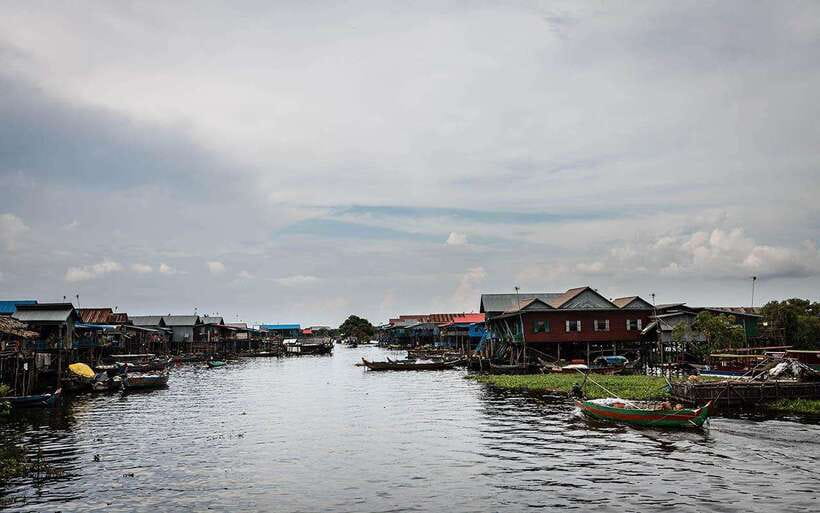
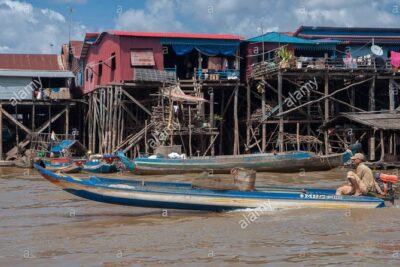
Kompong Phluk is often described simply as a floating village, but that label can blur an important detail. The community includes houses on tall stilts, homes and businesses that operate on the water, and buildings whose relationship with the lake changes with the season. You are not looking at a fixed postcard scene. You are seeing people adapt their homes, transport, work, and routines to Tonlé Sap.
That makes the outing a good companion to Angkor Wat. The temples show you Cambodia’s monumental past. Kompong Phluk shows you a present-day community dealing with water, weather, fishing, farming, and access. A good guide helps connect those pieces without turning the visit into a lecture.
The experience also benefits from being only six hours long. You can spend the morning or afternoon at the village and still have time for Siem Reap afterward. That is useful if you are building a busy schedule around Angkor, though you should not expect an unhurried full-day cultural study.
More floating village visits:
- From Siem Reap: Kampong Phluk Floating Village Tour by Boat
4.9 · 6,979 reviews - Sunset tour of Kampong Phluk stilts home village on the Tonle Sap
5.0 · 4,865 reviews - Siem Reap: Kampong Phluk Floating Village Tour with Boat
4.9 · 3,843 reviews
Leaving Siem Reap in a cool minibus
The tour starts with hotel pickup in Siem Reap or a meeting-point departure, depending on the option you choose. Shared trips use an air-conditioned minibus with a maximum of 10 participants. Private vehicles are also available, with an optional guide according to the booking choice.
The ride matters more than it might seem. Cambodia’s heat can make an ordinary road transfer tiring, especially if you have already spent hours at the temples. Air conditioning, bottled water, cold face towels, and a licensed driver make the trip more comfortable. The company also includes vehicle insurance and liability coverage.
Pickup is not timed to the minute. The stated window is roughly 7:40 to 8:10 am for the morning trip and 1:40 to 2:10 pm for the afternoon trip, with departures from the office at 8:30 am and 2:30 pm. Keep your phone available, and provide your hotel name and room number when booking. Communication by WhatsApp has been useful for some people arranging pickup.
If you want the most daylight for seeing the village, choose the morning. The afternoon option has a more atmospheric finish, with a stop at a small floating cafe and the chance to watch the sun go down over the lake. One caution: sunset timing can include a wait at the cafe, so the final boat movement may be brief rather than a long sunset cruise.
Ro Lus Market: the useful first stop
The first scheduled stop is Ro Lus Market, where you have about an hour for a visit, guided walk, and photographs. This is one of the best parts of the trip for anyone who wants to see more than Siem Reap’s polished shopping areas.
A market gives you a practical introduction to rural Cambodian life. You might see unfamiliar foods, local produce, and the everyday commerce that supports communities outside the city. The guide can explain what you are looking at and help you move through the market with more understanding.
Treat this as an observation stop, not a shopping assignment. Bring small amounts of cash if you want to buy something, but do not expect a formal tasting session or a meal to be included. Food and alcoholic drinks are not part of the tour price.
Some guides make the market especially engaging. Nara, for example, has been praised for explaining Cambodian culture and geography in clear English, while visitors have enjoyed small discoveries such as sweet potato crisps and fruit. Those touches are not guaranteed, but they show why the guide can make a difference here.
A short pagoda visit at Wat Thammis…
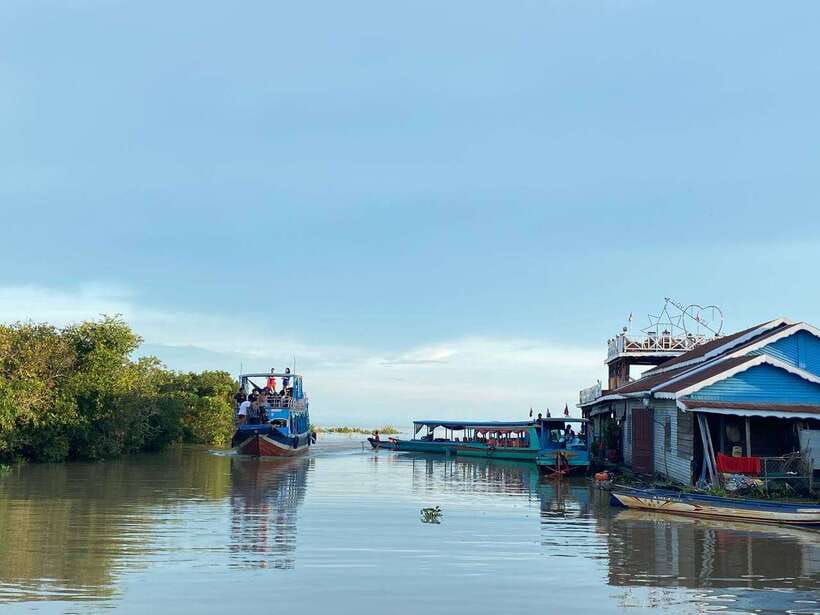
The itinerary includes a brief stop at Wat Thammissarararam, written in the booking details as វត្តធម្មិស្សរារាម. You have about 10 minutes for a visit, photographs, and a guided explanation, with the vehicle passing by as part of the route.
This is a short introduction rather than a full temple visit. Do not plan on a long architectural tour or extended quiet time. Its value is in adding a religious and community setting to the market and village scenes. The stop also breaks up the drive before you reach the boat.
Wear comfortable clothing and shoes suitable for uneven ground. Comfortable casual dress is recommended, and sunscreen and insect repellent are sensible additions.
Other Siem Reap experiences to weigh up
- Kompong Phluk Floating Village Half-Day Tour ( Morning / Sunset )
5.0 · 1,494 reviews - Tonle Sap Lake & Kampong Phluk Village Half-Day Tour
5.0 · 1,045 reviews - Angkor Sunrise Half-Day Tour with Private Vehicles & Tour Guide
5.0 · 247 reviews - Kompong Phluk Floating Village Private Half-Day Tour
5.0 · 173 reviews
Reaching the stilted village by motorboat
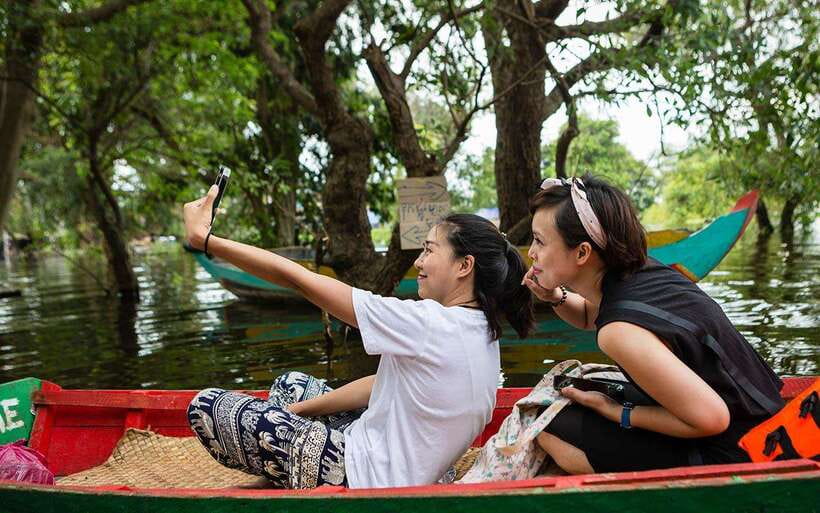
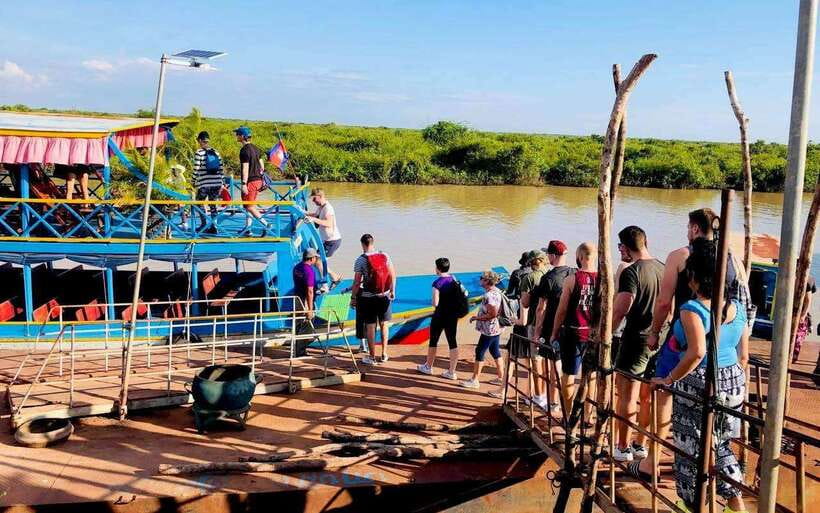
At Kompong Phluk, you receive a safety briefing before boarding the motorized boat. The boat ride is included in the $24 price, as are the entrance fee and community fee. Life jackets are provided, though you should still follow the guide’s instructions when boarding and moving around.
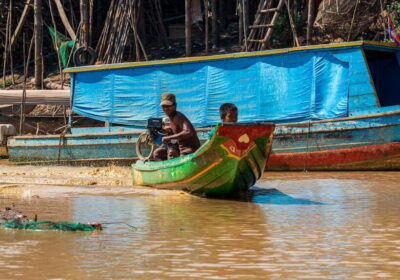
The water route lets you see the village from the position that makes its construction easiest to understand. Tall houses rise above the water or mud, depending on the season. You pass homes, small floating businesses, fish farms, rice paddies, and boats used as part of ordinary life.
This is where a guide such as Ry, Tola, Lok, or Phyrom Hoeum adds real value. The best explanations connect the physical setting with the choices residents make. Why are some homes built high above the ground? How does work change when water levels rise or fall? What role do fishing and farming play? These are the questions that turn a scenic ride into a meaningful visit.
The boat ride is relaxing, but it is not a luxury cruise. Conditions can be hot, sunny, wet, or breezy, and the tour operates in all weather. Keep sunscreen handy and bring insect repellent. A hat or light cover is also practical, though the listed essentials focus on hiking shoes, sunscreen, insect repellent, and cash.
Tonlé Sap and the flooded forest option
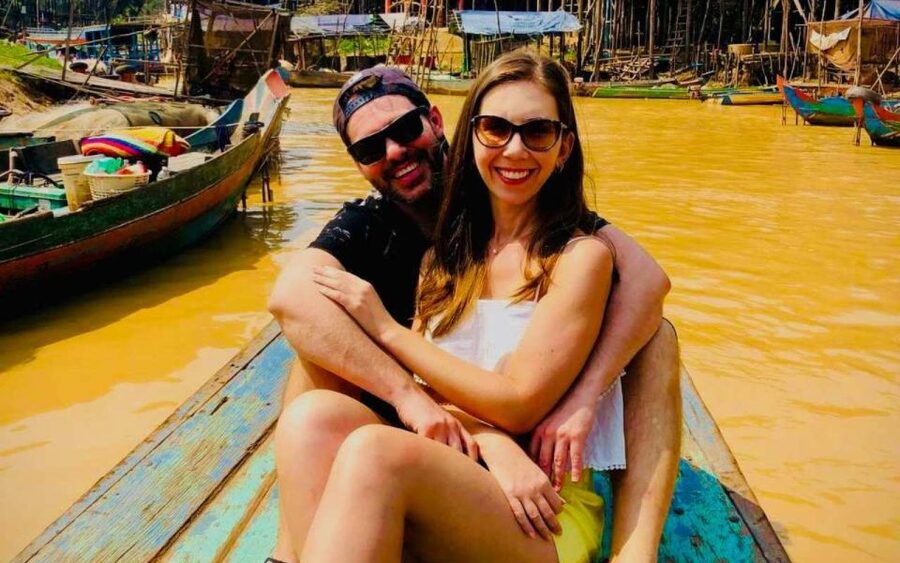
The boat continues toward Tonlé Sap, where the open water gives you a wider view of the area. The itinerary allows about an hour for a break, photographs, a guided visit, and cruising. You may see a broad panorama of floating markets, fish farms, and rice-growing areas connected to the lake.
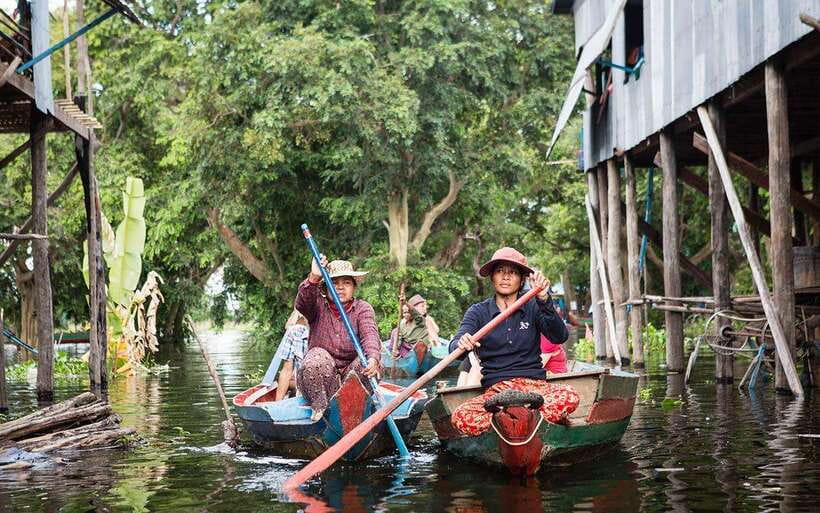
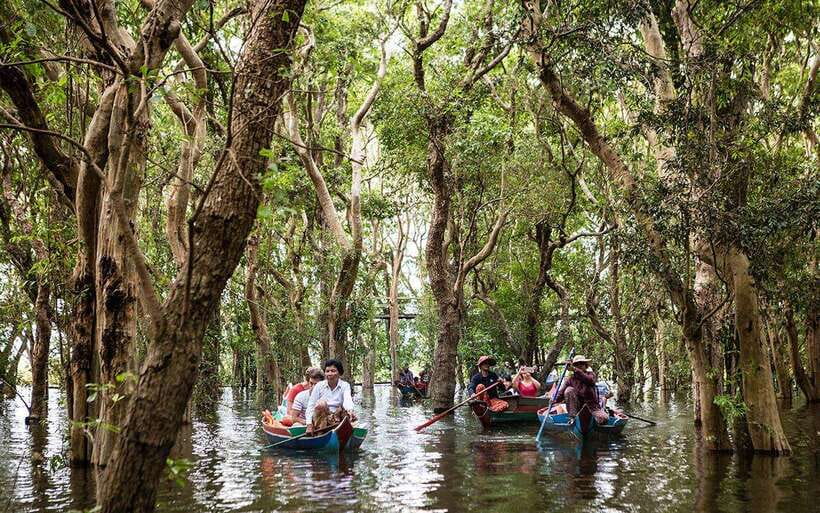
During the rainy season, you can add a rowing-boat trip through the flooded forest. The optional canoe ride is usually available from October to January and costs $5 per person. It takes you into a quieter, narrower setting, where the trees and water create a closer view of the village and its surroundings.
I would seriously consider paying for this add-on when the water is high. The motorboat gives you the big picture, while the rowing boat brings you closer to the smaller channels and houses. It also slows the pace, which suits the nature of this outing.
The extra charge is not included in either the shared or private option. Bring cash, and ask how the local fee is being calculated before boarding. The stated price is per person, while some arrangements may be organized around a boat carrying two or three people.
The flooded forest is seasonal, so do not book this tour expecting the canoe ride as a guaranteed feature. In the dry season, the forest may not be accessible in the same way. Even then, the visit can remain worthwhile because walking through the stilted village may reveal details hidden from the boat.
High water and dry-season differences
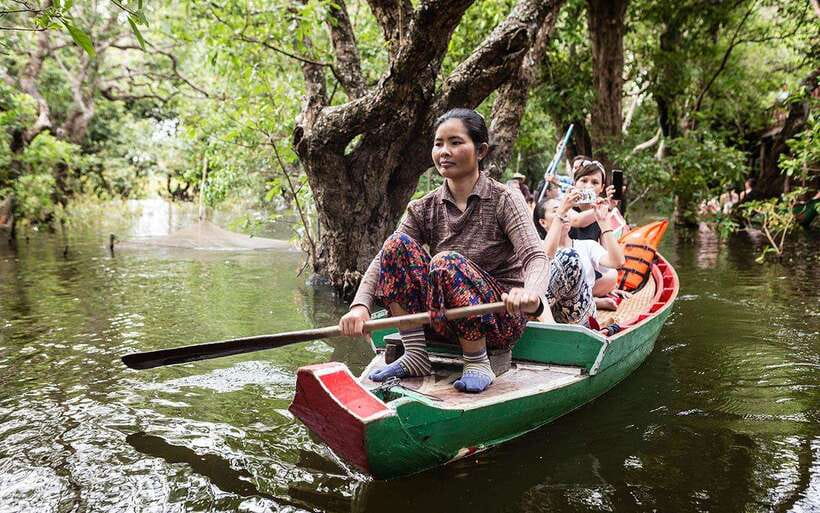
Season is the biggest factor in deciding what you will see. With high water, the boat can carry you through the village and toward the flooded forest. The houses appear to rise directly from the water, and the experience feels strongly tied to the lake.
Near the end of the dry season, water levels can fall enough for you to walk through sections of the stilted village. That changes the mood but not necessarily the value. Walking can give you a closer look at the construction of the homes and the way people use the spaces beneath and around them.
The supplied experiences include positive visits in dry-season months, with the village still considered interesting even when parts of it were dry. That is useful advice: do not assume low water means a wasted trip. Just set your expectations correctly. The famous floating-village appearance is strongest when water levels are high, while dry conditions may offer a better look at the village structure from land.
Rain is also part of the equation. The tour runs in all weather, and raincoats or umbrellas may be available when conditions turn wet, but you should dress for the forecast. The roads, market area, and boarding points may have uneven surfaces.
Guides make or break the visit
The clearest strength of this tour is its guiding. The English-speaking guides named in the feedback include Nara, Ry, Tola, Lok, Pip, Ra, Chenda, Chou, and Phyrom Hoeum. Individual assignments can change, but the repeated pattern is clear: guides are expected to explain Cambodian history, geography, culture, and village life rather than simply point out buildings.
Nara has been praised for easy-to-follow English and detailed explanations. Ry is known for a friendly manner, humor, and help with photographs. Tola and Lok have been described as warm and attentive, while Phyrom Hoeum brings strong interest in Cambodia and the village community.
That personal element matters because Kompong Phluk can be misunderstood if you only see the houses from a moving boat. Ask questions. A good guide can explain what is visible, what changes with the seasons, and how the local setting affects daily routines.
Pacing is another plus. The trip is designed to give you time at the market, pagoda, village, and lake without cramming in a long list of unrelated stops. Several people found the pace comfortable, particularly in hot weather. The tradeoff is that some stops are short, especially the pagoda, and the afternoon sunset stop may feel slow if you would rather keep cruising.
Is $24 good value?

At $24 per person, this is a solid value for a six-hour outing if you want transport, a guide, the community fee, entrance charges, and the motorboat bundled together. Hotel pickup and drop-off remove the need to arrange a separate ride to a village 30 kilometers from Siem Reap.
The small-group limit of 10 improves the value. You are more likely to hear the guide and ask questions than on a large coach trip. The private option costs more, but it may suit you if you want control over timing or prefer not to share the vehicle.
Remember the extras. Meals and alcoholic drinks are not included, and the rowing boat costs extra. Cash is useful for the canoe ride, market purchases, and personal spending. You should also allow for the fact that the trip is an introduction, not an in-depth community project or full-day cultural program.
Who should book this half-day trip?
I recommend it if you want to see a side of Siem Reap beyond Angkor and hotel districts. It suits couples, solo visitors, and small groups who enjoy scenery, local life, and a guide-led explanation of what they are seeing.
It is particularly good for people with limited time. Six hours gives you a substantial outing without taking the entire day. The morning trip works well before an afternoon in town. The afternoon trip is better if you like a slower finish near the lake.
Families need to check first. The shared option is listed as unsuitable for infants and children under 12, although one family arranged a five-year-old visit after contacting the operator. Do not assume that exception applies automatically.
This trip is not suitable for people with walking disabilities or wheelchair users because of uneven surfaces. Pets, smoking, luggage, and large bags are not allowed. If you need a mobility accommodation, contact the operator before booking rather than relying on the standard shared arrangement.
Practical tips for a smoother visit
- Wear shoes that can handle uneven paths and possible wet ground.
- Use sunscreen and insect repellent before leaving Siem Reap.
- Carry cash for the optional rowing boat and personal purchases.
- Bring only a small day bag, since large bags and luggage are not allowed.
- Choose the morning for cooler conditions and a simpler schedule.
- Choose the afternoon if sunset over Tonlé Sap matters more to you.
- Confirm the pickup window and provide complete hotel details.
- Ask your guide about water levels and canoe availability on the day.
Should you book Kompong Phluk?
Book this tour if you want a well-organized, reasonably priced introduction to rural Cambodian life, with transport and a guide handled for you. The market, stilted village, motorboat route, and Tonlé Sap views create a good range of experiences in one half-day.
I would book it with two expectations in mind: the flooded forest is seasonal and costs extra, and the village looks different in the dry season. If you accept those limits, the tour offers strong value and a useful contrast to Siem Reap’s temples. Choose the morning for heat and time management, or the afternoon for a sunset finish, then ask for the canoe ride when water conditions allow.
FAQ
How far is Kompong Phluk from Siem Reap?
Kompong Phluk is about 30 kilometers southeast of Siem Reap Province.
How long does the tour last?
The experience lasts six hours, including transport, the market and pagoda stops, the village visit, and the Tonlé Sap boat trip.
Is hotel pickup included?
Yes. Hotel pickup and drop-off in Siem Reap are included. You need to provide your accommodation details, including the hotel name and room number.
Is the motorized boat included in the price?
Yes. The motorized boat fee, life jackets, entrance fee, and community fee are included in both shared and private options.
Does the tour include the flooded-forest canoe ride?
No. The rowing boat through the flooded forest is optional and listed at $5 per person. It is generally available from October through January.
Is food included?
No. Meals and alcoholic drinks are not included.
Can children under 12 join the tour?
The shared option is listed as unsuitable for infants and children under 12. If you are traveling with a younger child, contact the operator first to ask if a private arrangement is possible.
Fresh reviews from around Siem Reap
- Full-Day Tour Preah Vihea & Koh Ker Temple 3.7 · 3 reviews
- Savor the Countryside: Tours with Authentic Cooking Classes” 5.0 · 3 reviews
- Angkor Wat Sunrise TukTuk Tour 5.0 · 3 reviews
- Angkor Grand Circuit Tour & Banteay Srei 5.0 · 3 reviews
- Guided Private Tuk Tuk Tour Angkor Wat and Small Circle and Five Extras 5.0 · 3 reviews
- Siem Reap Temple Tour 2-Day with Sunrise/Sunset 3.7 · 3 reviews
- Bangkok to Angkor Wat 2 Days 1 Night by Flight 4.5 · 3 reviews
- Kompong Pluk Tour 5.0 · 3 reviews
Floating Village Tours, compared.
Sunset tour of Kampong Phluk stilts home village on the Tonle Sap
Read our review →
Siem Reap Floating Village Kampong Phluk Sunset with Boat
Read our review →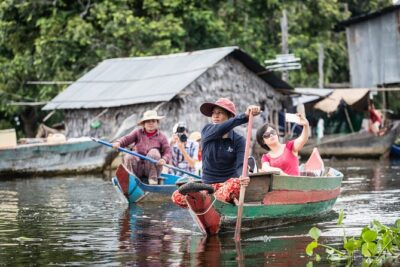
Kompong Phluk Floating Village Half-Day Tour ( Morning / Sunset )
Read our review →

Browse the lists this tour appears in