Reviewed · MORNING
Siem Reap Morning Culinary & Culture Tour – (Vego also available)
Siem Reap is at its most useful in the morning, before the heat settles in. This three-hour tour turns breakfast into a guided look at Khmer food and daily life, beginning at a local market and ending with a meal in a more polished setting.
I like the small group of six, which should make market stops and questions easier, and I like the mix of food with a short city orientation and pagoda visit. The main consideration is pace: this is a breakfast crawl, so arrive hungry, and remember that three hours can only offer an introduction to Cambodian cuisine.
In This Review
- Key points at a glance
- Why a breakfast tour works well in Siem Reap
- Starting at Made in Cambodia Market
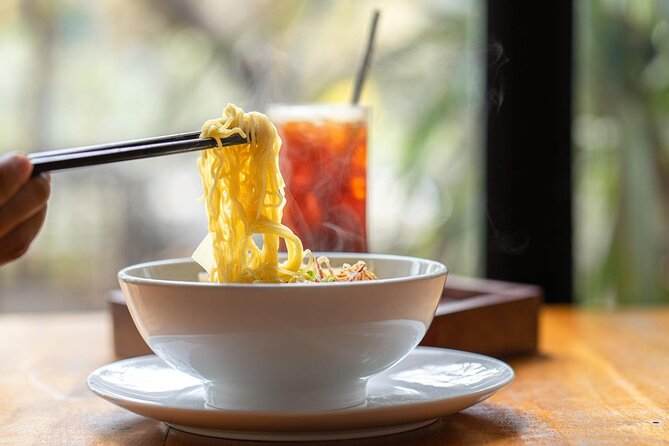
- The first Cambodian breakfast dish
- Walking the streets and visiting a pagoda
- A mother-and-daughter street stall
- Finishing beside locally grown produce
- The surprise at the end
- What the $45 price includes in practical terms
- Group size, timing, and practical limits
- Who will enjoy this morning most
- How it compares with exploring breakfast alone
- Should you book the Siem Reap Morning Culinary and Culture Tour?
- FAQ
- Where does the tour start?
- What time does the experience begin?
- How long does the tour last?
- Where does the tour end?
- Is a vegetarian option available?
- What happens if the tour is canceled because of weather or low participation?
Key points at a glance
- Three breakfast stops: Try Cambodian morning dishes in a market, at a family-run street stall, and in an up-market dining setting.
- A market-led beginning: Learn about Khmer ingredients and food traditions while tasting the first dish of the day.
- Culture beyond the plate: The route includes a guided street walk, a pagoda visit, and discussion of Khmer history and current affairs.
- Very small group: The maximum is six people, a useful size for a food tour in crowded public spaces.
- Vegetarian option: A meat-free version is available, but you should select or request it when booking.
- Simple morning timing: Meet at 9:00 am at the Sombai Liqueur Stall inside Made in Cambodia Market, then return there at the end.
Why a breakfast tour works well in Siem Reap
Many Siem Reap food experiences focus on evening meals, markets, or drinks. This one takes a different route by showing you what Cambodians eat at the start of the day. That matters because breakfast dishes often tell you more about ordinary life than a restaurant menu designed for visitors.
You begin at 9:00 am, when the day is already underway but the worst heat has not arrived. You will eat several times during the morning, so the point is not one large meal. It is a sequence of tastes, places, and explanations that gradually makes Khmer cuisine easier to understand.
The tour also gives you a break from sitting at a table. Between dishes, you walk through city streets and visit a local pagoda. This keeps the morning from feeling like a simple checklist of food samples, and it gives your guide room to connect ingredients with culture, history, and current affairs.
At $45 per person, the price is higher than buying breakfast independently. You are paying for the guide, the food at several stops, the planning, and the small group format. The value is strongest if you want context and a gentle introduction to Cambodian food rather than simply the cheapest possible meal.
Other Siem Reap experiences to weigh up
- Angkor Wat Sunrise or Sunset Tour with Guide from Siem Reap
5.0 · 12,109 reviews - Siem Reap: Angkor Wat: Small-Group Sunrise or Sunset Tour
5.0 · 9,444 reviews - Siem Reap: Angkor Wat 2-Day Tour with Sunrise and Sunset
4.9 · 4,429 reviews
Starting at Made in Cambodia Market
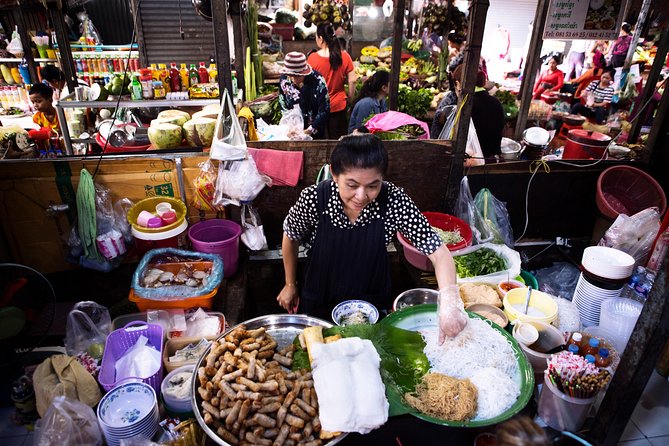
The meeting point is the Sombai Liqueur Stall at Made in Cambodia Market on Achar Sva Street. This is a practical starting place because it puts you straight into a local shopping environment instead of a hotel lobby or a coach transfer.
You should allow enough time to find the stall and arrive ready to eat. The tour begins at 9:00 am, and the activity returns to the same meeting point, so there is no separate end location to arrange around.
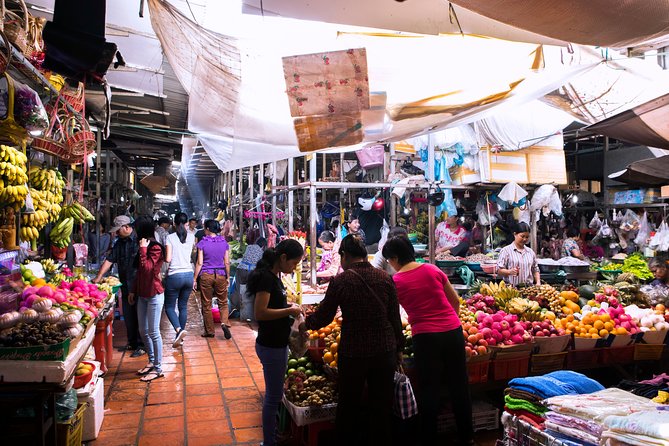
The first stop is a colorful local market. Here, the focus is on ingredients and the place they hold in Khmer cooking. You can expect your guide to explain foods that may be unfamiliar, while helping you understand how the cuisine differs from the better-known food traditions of neighboring countries.
This market visit is one of the tour’s strongest features because it gives the dishes a setting. Instead of receiving an unidentified plate, you see some of the produce and ingredients that shape Cambodian meals. That connection is especially useful if you plan to eat on your own later in the trip.
The first Cambodian breakfast dish
Your first tasting is a Cambodian breakfast dish with roots reaching back to the 13th century. The exact dish is not specified in the tour information, which is worth noting if you are looking for a fixed menu in advance. The benefit is that the food is presented as part of a wider tradition rather than as an isolated sample.
I like this approach. Food tours work best when they explain why a dish matters, not just whether it tastes good. The historical background also gives the first course a sense of place, though you should not expect a full lecture on medieval Cambodia during a short morning outing.
Because the tour covers several foods, portions are likely to be designed for sampling rather than a single oversized breakfast. Still, the advice is simple: come hungry. The experience is built around repeated eating, and you will get more from it if you are ready to try each stop.
If you have dietary needs, the stated vegetarian option is important. The description confirms that a vegetarian version is available, but it does not list every ingredient or explain how cross-contact is handled. If you have an allergy, raise it clearly before the tour.
Walking the streets and visiting a pagoda
After the market and first dish, the route becomes a short city orientation. You walk through Siem Reap’s streets and visit a local pagoda, with more snacks along the way.
This part adds useful balance. You get time to move, look around, and place the food within the city rather than spending the full morning indoors. The pagoda stop also gives the guide a chance to discuss Cambodian culture in a setting connected to local religious life.
The tour does not promise a major temple visit or a long architectural talk. Think of the pagoda as one piece of a small-scale orientation, not a replacement for Angkor Wat or a dedicated temple tour. That distinction helps set fair expectations.
The walking also means sensible footwear is a good idea. The supplied details do not state the distance or surface conditions, so you should expect ordinary city walking rather than plan around a precise mileage figure.
A different pace for your next Siem Reap morning:
- From Siem Reap: Kampong Phluk Floating Village Tour by Boat
4.9 · 6,979 reviews - Sunset tour of Kampong Phluk stilts home village on the Tonle Sap
5.0 · 4,865 reviews - Siem Reap: Kampong Phluk Floating Village Tour with Boat
4.9 · 3,843 reviews - Siem Reap: Full-Day Angkor Wat Guided Tour with Sunset
4.9 · 3,803 reviews
A mother-and-daughter street stall
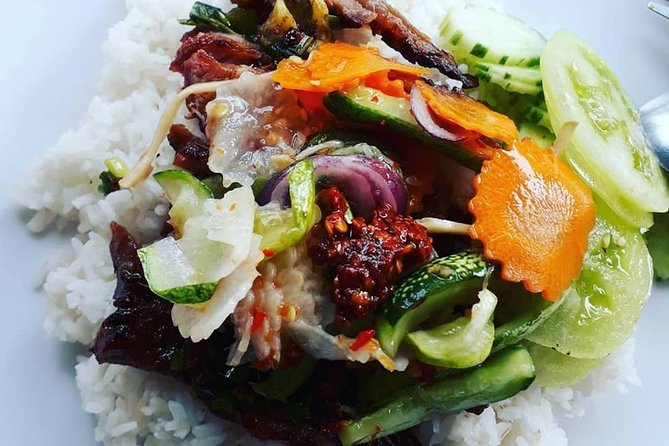
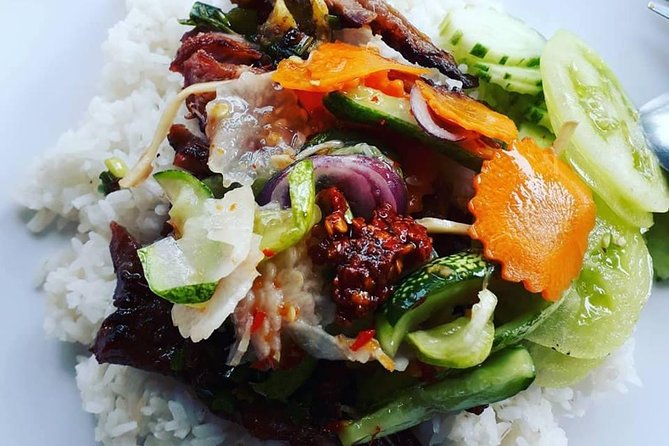
The next food stop is a local family-run street stall operated by a mother and daughter. Here you try another Cambodian breakfast favorite, described as one of the country’s most famous morning dishes.
This stop is likely to feel more personal than the market tasting. A family stall shows food as work, routine, and small business, not only as heritage. You get a closer look at the everyday side of Siem Reap, where a meal can come from a compact roadside shop rather than a formal dining room.
The setting may also be less controlled than the final restaurant. That is part of the appeal, but it is worth keeping in mind if you prefer air-conditioned rooms, written menus, or a slower meal. The tour is designed to show you food in the places where it is commonly prepared and sold.
The guide’s role matters here. With a maximum of six people, you should have a reasonable chance to hear the explanations and ask questions. A larger group could make a small street stall awkward, while this format keeps the visit more manageable.
Finishing beside locally grown produce
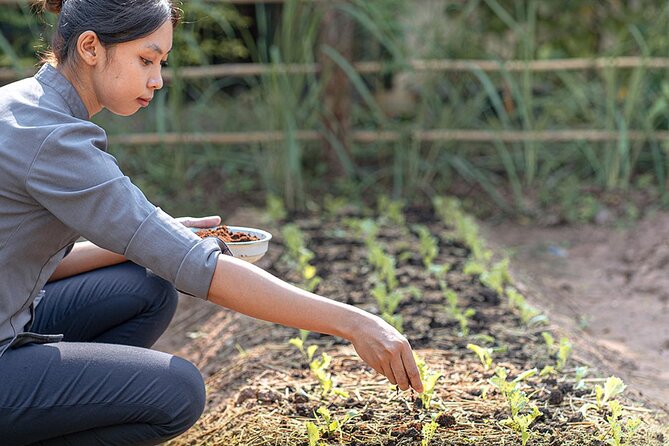
After another short walk, you settle in for the final breakfast at a more up-market dining spot. The produce is grown next to the table, linking the meal to local agriculture and to the future direction of Khmer cuisine.
This is a smart finish. Starting in a market, eating at a family stall, and ending at a refined venue gives you three different views of Cambodian food. You see ingredients at the source, a familiar street preparation, and a more modern presentation.
The final setting may appeal if you want a little comfort after walking and eating outdoors. It also shows that Cambodian cuisine is not fixed in the past. The tour frames it as a living food culture that can draw on local produce while changing with new dining ideas.
At the same time, the three stops are not three full restaurant meals. You should think of the morning as a guided tasting route. If you want an expansive lunch, you will need to plan another meal later.
The surprise at the end
The tour promises two surprises at the end. No details are supplied, and that is deliberate. You should treat this as a small extra rather than a reason to book the experience on its own.
The surprises may help give the morning a memorable finish, but the main value lies in the market, street food, walking route, and cultural explanations. Keeping expectations sensible is the best way to enjoy this part.
What the $45 price includes in practical terms

The $45 fee is not the bargain choice for breakfast in Siem Reap. You could certainly spend less by buying one dish at a local stall. The question is what you want from the morning.
For the price, you receive a planned three-hour route, multiple food tastings, a market introduction, a pagoda walk, a city orientation, and a small group capped at six people. You also avoid the guesswork of choosing unfamiliar dishes without knowing what they are or how they fit into Cambodian food culture.
I see the price as reasonable for someone arriving in Siem Reap who wants a quick, organized introduction. It is less compelling for an experienced Cambodia visitor who already knows the local dishes and prefers to explore independently.
The booking pattern, with reservations made on average 34 days ahead, suggests that you should not leave this until the last morning of your trip. That does not guarantee every date sells out, but it is a useful planning clue.
Group size, timing, and practical limits
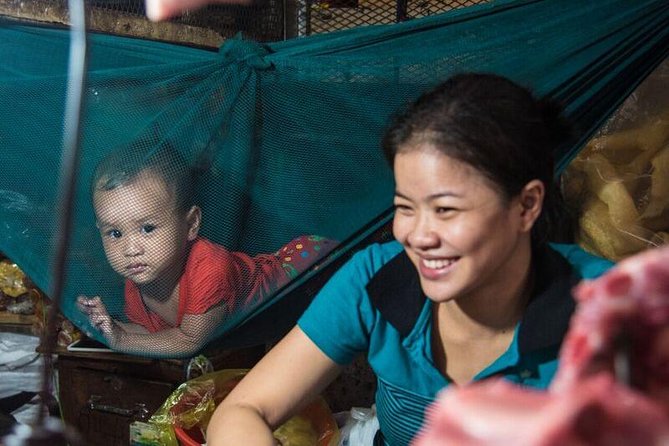
The maximum group size is six. That is a real advantage in a market and at a family-run stall, where a large crowd could block access or make conversation difficult. It also gives you a better chance to discuss food preferences with the guide.
The activity lasts about three hours and starts at 9:00 am. It ends back at the original meeting point, making it easy to continue sightseeing afterward. You can use the rest of the day for Angkor, museums, shopping, or a relaxed lunch.
Confirmation is provided when you book. The tour is near public transportation, and most people can participate. Service animals are allowed.
Weather can affect the experience. If poor weather causes cancellation, you will be offered another date or a full refund. The activity also requires a minimum number of participants, and if that minimum is not met, you will be offered another date, another experience, or a full refund.
You can cancel for a full refund up to 24 hours before the start time. Cancellations or changes made less than 24 hours before the tour are not refunded or accepted, and all cut-off times use local Cambodian time.
Who will enjoy this morning most
I would recommend this tour to first-time visitors who want help ordering and understanding Cambodian food. It also suits people who like walking tours but do not want a full-day commitment.
It is a good match for couples, solo visitors, and small groups who value conversation. The vegetarian option makes it more flexible for mixed-diet parties, though anyone with serious allergies should confirm the details before booking.
Families may appreciate the short duration, but the food is served in local settings and the route includes street walking. The supplied information does not give a minimum age or specific child arrangements, so families should confirm those points directly.
You may want to skip it if your main goal is a long temple visit, a cooking class, or a large evening feast. It also may not suit you if you dislike eating several small portions or prefer to know every dish before you arrive.
How it compares with exploring breakfast alone
Independent eating gives you freedom and costs less. You can stop whenever you like, choose one familiar dish, and set your own pace. The tradeoff is that you may miss the cultural background and may not know which local foods are worth trying.
This tour solves that problem in a compact way. It gives you a starting point at the market, a family-run food stop, and a more polished finish, all with someone explaining the choices. You pay extra for direction and interpretation.
I especially like that the route is not limited to one restaurant. The three settings show different sides of the city. If you are curious but cautious about unfamiliar food, that structure lets you try more with a guide nearby.
Should you book the Siem Reap Morning Culinary and Culture Tour?
Book it if you want a small, food-focused introduction to Siem Reap that also includes a pagoda and city walk. The six-person limit, three breakfast stops, vegetarian availability, and return to the meeting point make it easy to fit into a first or second day.
The strongest reason to choose it is the range of settings: market, family street stall, and produce-centered dining spot. The main caution is that $45 buys guidance and variety, not a cheap breakfast or a full cultural tour.
Arrive hungry at the Sombai Liqueur Stall by 9:00 am, mention dietary needs early, and keep the rest of your morning free for the final surprise and the walk back. If those details match the kind of introduction you want, this is a practical way to begin eating your way through Khmer culture.
FAQ
Where does the tour start?
The tour starts at the Sombai Liqueur Stall inside Made in Cambodia Market on Achar Sva Street, Siem Reap.
What time does the experience begin?
The tour begins at 9:00 am.
How long does the tour last?
The experience lasts approximately three hours.
Where does the tour end?
The activity ends back at the original meeting point.
Is a vegetarian option available?
Yes. A vegetarian version of the tour is available.
What happens if the tour is canceled because of weather or low participation?
If poor weather causes cancellation, you will be offered a different date or a full refund. If the minimum number of participants is not reached, you will be offered a different date, another experience, or a full refund.
Fresh reviews from around Siem Reap
- Full-Day Tour Preah Vihea & Koh Ker Temple 3.7 · 3 reviews
- Savor the Countryside: Tours with Authentic Cooking Classes” 5.0 · 3 reviews
- Guided Private Tuk Tuk Tour Angkor Wat and Small Circle and Five Extras 5.0 · 3 reviews
- Angkor Wat Sunrise TukTuk Tour 5.0 · 3 reviews
- Angkor Grand Circuit Tour & Banteay Srei 5.0 · 3 reviews
- Siem Reap Temple Tour 2-Day with Sunrise/Sunset 3.7 · 3 reviews
- Bangkok to Angkor Wat 2 Days 1 Night by Flight 4.5 · 3 reviews
- Kompong Pluk Tour 5.0 · 3 reviews
Morning, compared.

Angkor Wat Sunrise or Sunset Tour with Guide from Siem Reap
Read our review →


Angkor Wat Sunrise tour with Small – Group and Guide tours
Read our review →
Angkor Wat Highlights and Sunrise Guided Tour from Siem Reap
Read our review →
Full-Day Angkor Wat Sunrise Private Tour with Guide from Siem Reap
Read our review →
Angkor Wat Sunrise & 3 Main Temples with Breakfast – Small Group
Read our review →