
Reviewed · WORKSHOPS
Siem Reap: Cambodian Pottery Class
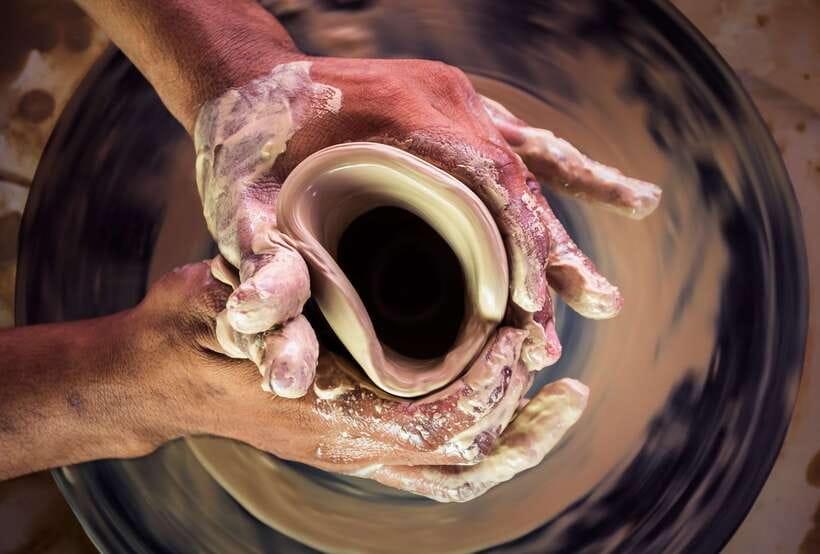
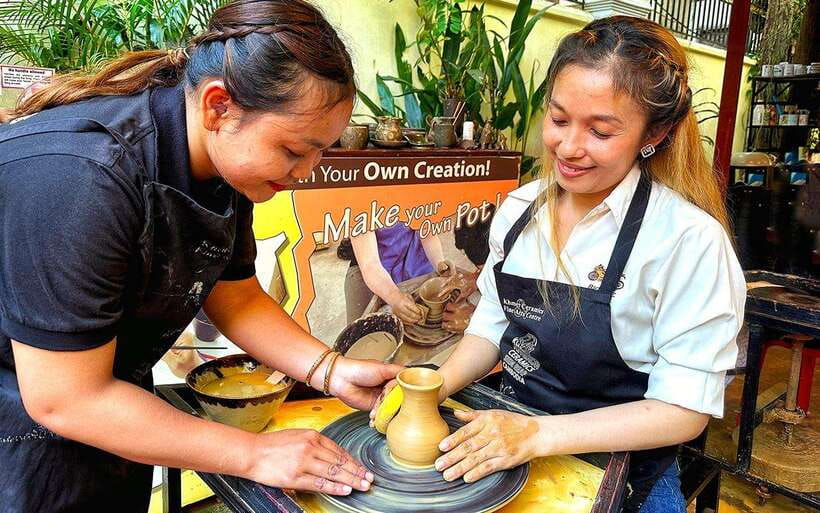
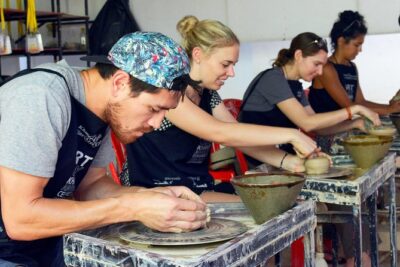
The most memorable part of this Siem Reap activity is the manual pottery wheel. You power it with your foot while your hands coax wet Cambodian clay into a bowl, cup, vase, or something less predictable. It looks simple until the clay wobbles, collapses, and needs rescuing.
I like two things here: you get real hands-on time rather than a quick demonstration, and the class connects your work with Khmer ceramic design through carving and ornamentation. The teachers are patient, with Sok Kong singled out for especially calm help. The main catch is timing: your piece needs to be fired overnight and is normally ready at 6pm the next day.
In This Review
- Key Points
- Why This Pottery Class Is Worth Two Hours in Siem Reap
- From Hotel Tuk Tuk to the Town Workshop
- Meeting Cambodian Ceramic Artists
- The Manual Wheel Takes Practice
- Khmer Carvings Make the Souvenir Personal
- What You Can Keep and When to Collect It
- A Peaceful Break from Angkor
- Practical Tips Before You Go
- The Value of $27
- Who Will Enjoy This Most
- Should You Book the Cambodian Pottery Class?
- FAQ
- How long does the Cambodian pottery class last?
- Is hotel pickup included?
- How many pottery pieces can I make?
- Can I take my pottery home the same day?
- Is the pottery class taught in English?
- Can I cancel or pay later?
Key Points
- Foot-powered pottery wheel: Use a traditional manual wheel instead of an electric one, adding a physical challenge to the class.
- Several pieces to practice with: You may make up to five items, which gives you room to improve after your first wobbly attempt.
- Khmer carving lesson: Decorate your favorite piece with Cambodian-inspired carved patterns.
- Pickup the next day: Your chosen ceramic is fired overnight and collected at 6pm, or you can choose a shop item for less than $5 if you cannot wait.
- Tuk tuk transport included: Hotel pickup and return save you the trouble of finding the workshop yourself.
- Community-minded workshop: The centre supports Cambodian artists and the deaf community, with deaf teachers working alongside English-speaking staff.
Why This Pottery Class Is Worth Two Hours in Siem Reap
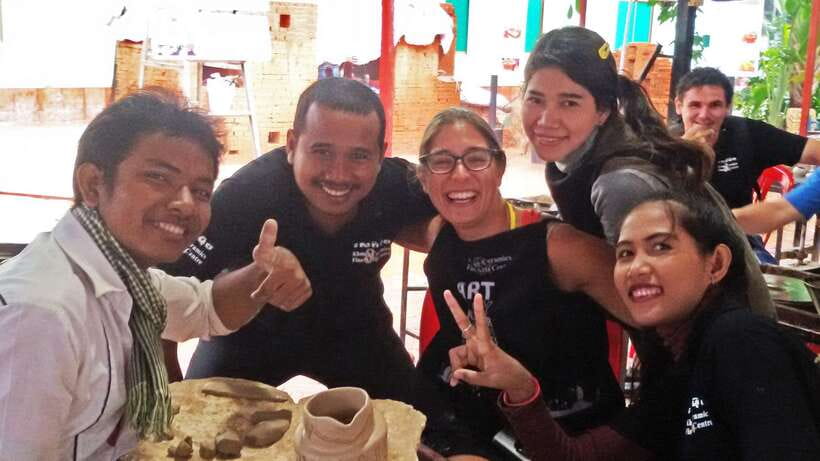
Siem Reap is best known as the gateway to Angkor, but a pottery class gives you a look at Cambodia beyond temple stone. The activity takes place at the Khmer Ceramics & Fine Arts Centre, where you can see local craft being taught and made in a working setting.
For $27, you receive hotel pickup and drop-off, instruction, clay, tools, firing, a handmade bowl, water, and a Cambodian potter’s diploma. That is a fair package for a two-hour activity, especially since the session is not just a craft demonstration. You spend much of the time making things yourself.
I would not book this as a polished, showpiece workshop where everyone produces a perfect vase. Pottery is hard. Your first piece may slump or split, and the teacher may need to reshape it. That is part of the fun, but you should arrive ready to get your hands dirty and laugh at a few failures.
Other Siem Reap experiences to weigh up
- Khmer Cooking Class at a Local’s Home in Krong Siem Reap
5.0 · 2,731 reviews - Siem Reap: Khmer Cooking Class at a Local’s Home
5.0 · 1,108 reviews - Award-Winning Cooking Class Experience with Professional Teacher
5.0 · 745 reviews
From Hotel Tuk Tuk to the Town Workshop
Your activity begins with a tuk tuk ride into central Siem Reap. Pickup and return are included, which is useful if you are staying outside the town centre or simply want an easy plan during the midday heat.
The ride also gives the outing a local feel without adding transport work to your day. This is not a long countryside excursion. The value lies in reaching the workshop, meeting the artists, and working with clay.
The class lasts two hours, so it fits neatly between temple visits, a meal, or an afternoon rest. If your schedule is tight, pay close attention to the return and collection arrangements. The finished pot is not available immediately.
Meeting Cambodian Ceramic Artists
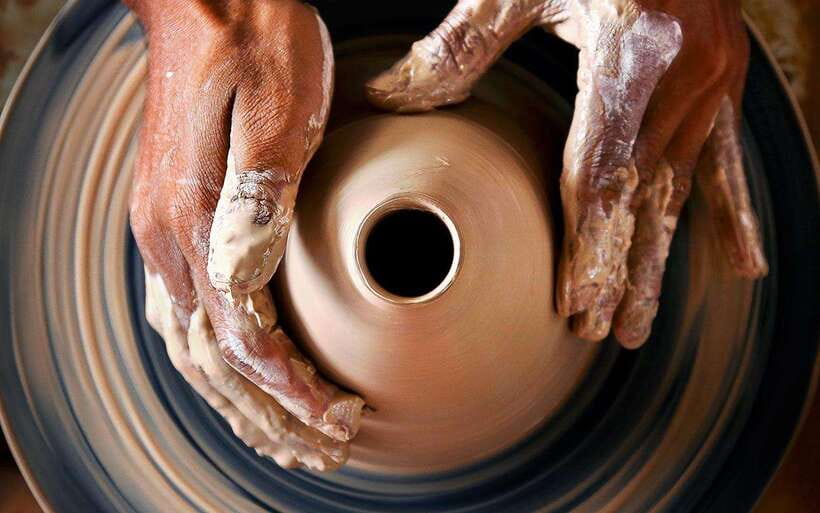
At the centre, an English-speaking Cambodian teacher explains how clay becomes a fired ceramic object. You learn the basic process before touching the wheel, including how to centre the clay and control its shape.
The teaching is practical. Instead of leaving you with a long lecture, the instructor demonstrates each movement and lets you try it. Staff members step in when your hands need correcting, but the aim is for you to do the work yourself.
Several instructors are deaf, and the class can include a different form of communication through hand movements, demonstrations, and close attention to technique. English-speaking staff help explain the steps. This can make the lesson especially clear because you watch the hands closely rather than relying only on spoken directions.
Past participants have found teachers such as Sok Kong patient and encouraging, even after repeated mistakes. That matters in pottery. A rushed instructor could turn the class into a frustrating struggle, while a calm teacher gives you the confidence to try again.
The Manual Wheel Takes Practice
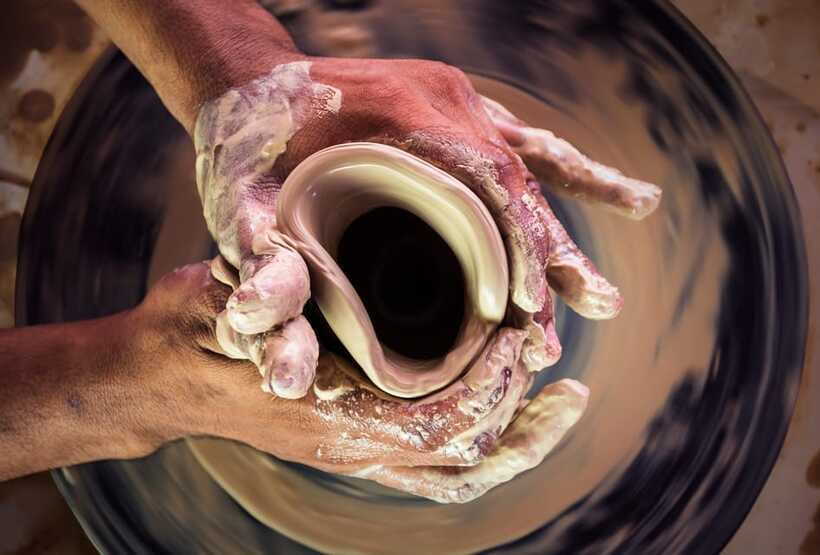
The wheel here is moved by foot, not electricity. You sit at the wheel and keep it turning with your foot while using both hands to shape the clay.
That sounds appealingly old-fashioned, but it takes coordination. Your foot controls the speed, and your hands must apply even pressure at the same time. If the wheel slows or your fingers press too hard, the wall of the pot can lean, buckle, or collapse.
You will probably improve after the first attempt. This is one reason the chance to make several pieces adds real value. A single attempt would feel too brief, especially for a first-time potter. With up to five pieces, you can learn from the first mistake and try a different form next.
The class may show you how to make basic objects such as a mug, bowl, and vase. The remaining pieces give you more freedom to experiment. Some people make plates or other simple forms. The exact number and shapes can vary with the session, so treat five as a useful working expectation rather than a guaranteed set of finished souvenirs.
The instructor can rescue a failing shape, but the finished object still feels like yours. You make the decisions, handle the clay, and see the result develop under your hands.
A different pace for your next Siem Reap morning:
- Angkor Wat Sunrise or Sunset Tour with Guide from Siem Reap
5.0 · 12,109 reviews - Siem Reap: Angkor Wat: Small-Group Sunrise or Sunset Tour
5.0 · 9,444 reviews - From Siem Reap: Kampong Phluk Floating Village Tour by Boat
4.9 · 6,979 reviews - Sunset tour of Kampong Phluk stilts home village on the Tonle Sap
5.0 · 4,865 reviews
Khmer Carvings Make the Souvenir Personal
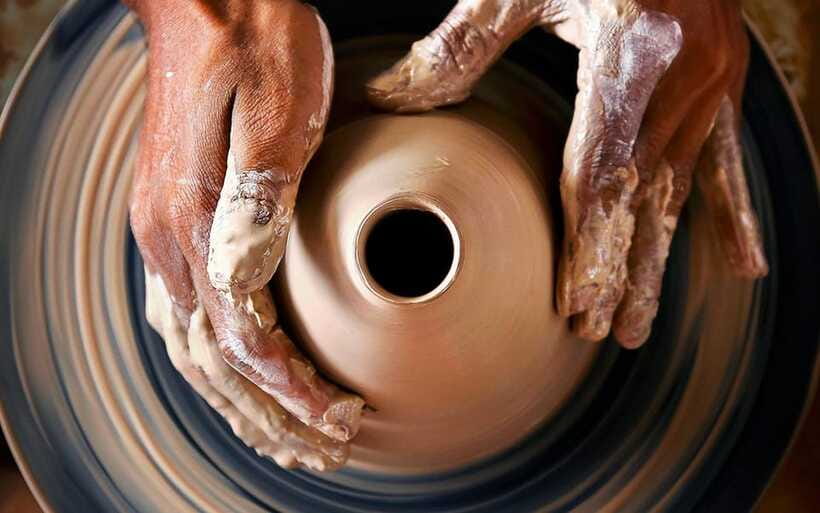
After shaping the clay, you use workshop tools to add ornamentation. The designs draw on Khmer decoration, giving the activity a clear Cambodian connection rather than making it a generic pottery lesson.
You can carve lines, patterns, or simple Khmer-inspired details into the surface. This is often easier and more relaxing than shaping the clay on the wheel, though you still need a light touch. A deep cut can weaken a small pot, and an overworked surface may lose its clean shape.
I like this stage because it turns a basic bowl into a personal souvenir. You are not simply buying a ceramic object from a shop. You are taking home something you shaped, decorated, and selected.
The centre also has a ceramic shop with handmade pieces. It is a useful stop before or after the class if you want to see what skilled local artists can produce. You might find a finished design that gives you ideas for your own carving, or choose a handmade item if your schedule does not allow the overnight firing.
What You Can Keep and When to Collect It
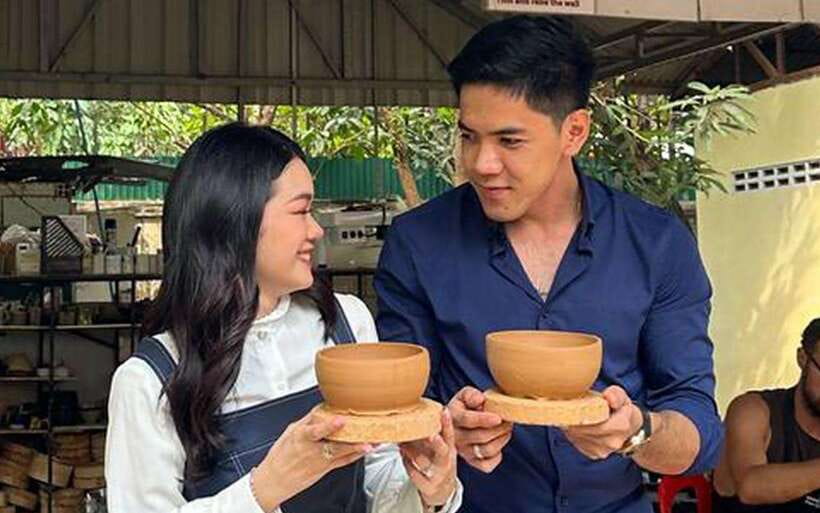
The activity includes a pottery bowl made by you. The clay is fired overnight, and collection is normally available at 6pm the following day.
That schedule is the main practical issue. If you are leaving Siem Reap the morning after the class, you probably will not be able to collect your own piece. Ask about the timing before booking if your itinerary is short.
There are alternatives. You can choose a product from the shop for less than $5 on the day of the class. Some participants also pay about $5 for each additional piece they want fired and kept. Since the package details describe one included bowl while individual sessions can involve several creations, confirm the exact number included and the price for extras when you arrive.
Delivery to your hotel is not included. One account gives a $2 delivery price, but that may depend on the centre’s current arrangement, so ask directly if you need the piece delivered.
Bring enough space in your bag for a carefully wrapped ceramic. The centre wraps finished pieces, but pottery is still breakable. If you are flying onward, protect it with clothing and keep it in your carry-on if practical.
A Peaceful Break from Angkor
This class works well as a change of pace after a day of temples. Angkor demands walking, heat management, and constant visual attention. Pottery asks you to sit down, slow your breathing, and focus on the pressure of your fingers.
It can also be a smart midday activity. One participant booked it after arriving in Siem Reap and used it as an indoor break during the heat. The two-hour format gives you something meaningful to do without committing to another full-day tour.
The centre includes a coffee shop, and free ice cream has been offered after some sessions. Food and drinks are not generally included, except where specified, so do not book the class expecting a full snack stop. Think of these extras as pleasant additions, not part of the core value.
Practical Tips Before You Go
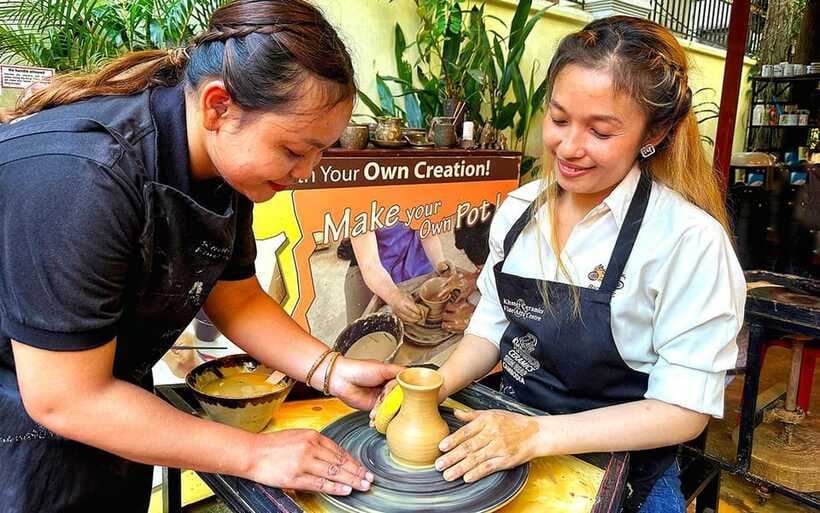
Cut your fingernails before class. This small tip came up for a reason: long nails make it harder to control the clay and can leave unwanted marks inside your bowl.
Wear clothes and shoes you can get dirty. Clay and water are part of the process, and keeping your hands clean is not the goal. The centre provides the art materials and tools, but you should still dress for practical work.
Plan for the full two hours. Some people finish their required piece quickly, while others want extra time to correct a vase or add carvings. Teachers may allow you to continue a little longer when the schedule permits, but do not assume you can stay indefinitely.
If you have never used a pottery wheel, do not judge your skill by the first attempt. The wheel is harder than it looks, and even experienced artists may find a foot-powered version a fresh challenge. Keep your first forms simple and listen closely when the teacher adjusts your hand position.
If you are traveling with children, the class can work well for them, provided they can follow instructions and handle a messy, hands-on activity. The experience has been recommended as suitable for children, but the supplied information does not give a minimum age, so check before booking for very young children.
The activity is listed as wheelchair accessible. Hotel pickup is included, and the instructors speak Cambodian and English.
The Value of $27
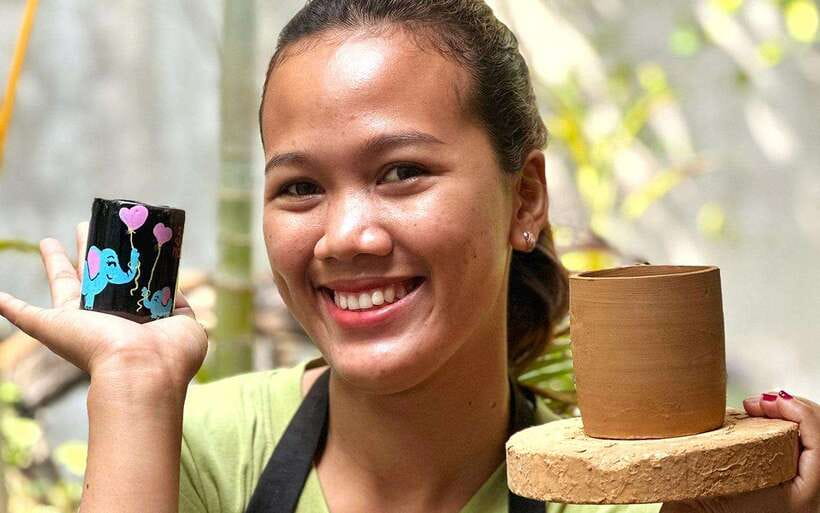
At $27 per person, this is not the cheapest way to buy a Cambodian bowl. It is good value because you are paying for instruction, transport, materials, studio time, firing, and the chance to create the item yourself.
The included bowl alone would not justify the price for everyone. The stronger value comes from having multiple attempts and learning a local craft from working artists. You also receive a diploma, though the experience itself is the more useful souvenir.
Extra pieces can change the total cost. If you become attached to every bowl, cup, or vase you make, expect to pay for additional firing or buy a finished item from the shop. That is a fair choice, but it is worth knowing before you arrive.
The activity also supports a local arts programme and the deaf community. If you value spending part of your holiday money on a Cambodian-run creative centre rather than a standard souvenir shop, that adds weight to the purchase.
Who Will Enjoy This Most
I would choose this class if you want an activity that is:
- Hands-on rather than mainly sightseeing
- Suitable for a hot afternoon
- Connected to Cambodian art and current local craft
- Relaxed enough for beginners
- Short enough to fit around Angkor plans
- Likely to give you a personal souvenir
It is particularly good for couples, families with older children, solo visitors, and anyone who likes making things. It can also suit experienced potters who want to try a traditional foot-powered wheel.
I would think twice if you leave Siem Reap before 6pm the next day and strongly want the exact bowl you make. You can choose a shop item instead, but that changes the experience from taking home your own fired piece to buying another artist’s work.
I would also skip it if you dislike messy activities or want a fully guided sightseeing tour. The teacher helps, but you still have to work the clay. That is the point.
Should You Book the Cambodian Pottery Class?
Book it if you want a useful two-hour pause from temples and a souvenir with fingerprints, uneven edges, and a story behind it. The patient teachers, repeated practice, Khmer carving, and foot-powered wheel make this more rewarding than a quick craft demonstration.
Make sure you can collect the fired work at 6pm the next day, or be comfortable choosing a shop item for less than $5. With that timing understood, the $27 price offers solid value and a genuine connection to Cambodian ceramic work. For most people with room in their Siem Reap schedule, I would add it to the plan.
FAQ
How long does the Cambodian pottery class last?
The activity lasts two hours, including the pottery demonstration, instruction, shaping, and decoration.
Is hotel pickup included?
Yes. Hotel pickup and drop-off by tuk tuk are included in the activity.
How many pottery pieces can I make?
The class commonly allows you to make up to five pieces, including guided forms and pieces you design yourself. The included package specifically provides a handmade pottery bowl. Confirm the exact keep and firing arrangement for additional pieces at the centre.
Can I take my pottery home the same day?
No. Your pottery is fired overnight and is normally ready for collection at 6pm the following day. If you cannot wait, you can choose a product from the shop for less than $5 on the day of the class.
Is the pottery class taught in English?
Yes. The instructor and guide languages are Cambodian and English. Deaf teachers may demonstrate the techniques, with English-speaking staff helping explain the steps.
Can I cancel or pay later?
You can cancel up to 24 hours before the activity for a full refund. A reserve-now, pay-later option is also available.
Fresh reviews from around Siem Reap
- Full-Day Tour Preah Vihea & Koh Ker Temple 3.7 · 3 reviews
- Savor the Countryside: Tours with Authentic Cooking Classes” 5.0 · 3 reviews
- Angkor Wat Sunrise TukTuk Tour 5.0 · 3 reviews
- Angkor Grand Circuit Tour & Banteay Srei 5.0 · 3 reviews
- Guided Private Tuk Tuk Tour Angkor Wat and Small Circle and Five Extras 5.0 · 3 reviews
- Siem Reap Temple Tour 2-Day with Sunrise/Sunset 3.7 · 3 reviews
- Bangkok to Angkor Wat 2 Days 1 Night by Flight 4.5 · 3 reviews
- Kompong Pluk Tour 5.0 · 3 reviews
Workshops, compared.

Khmer Cooking Class at a Local’s Home in Krong Siem Reap
Read our review →

Award-Winning Cooking Class Experience with Professional Teacher
Read our review →
Browse the lists this tour appears in