
Reviewed · ANGKOR TEMPLE TOURS
Siem Reap: Angkor Wat, Bayon & Ta Prohm Guided Tour
Angkor Wat is only the opening act here. This eight-hour temple tour takes you from the galleries of Cambodia’s greatest monument to the giant stone faces of Bayon and the tree-wrapped ruins of Ta Prohm. I like the sensible lineup, and I like having an English-speaking guide to explain the carvings, religion, and Khmer rulers instead of simply dropping you at the gate.
The air-conditioned van, hotel pickup, bottled water, and cool towel make the day easier in Siem Reap’s heat. Guide Yuth earned especially warm praise for his temple knowledge, mythology, personal stories, and sociable manner. The main consideration is cost: the $16 tour price does not include the $37 one-day temple pass or lunch, so your real pre-lunch cost is at least $53 per person.
In This Review
- Key points to know before booking
- Why this temple route works so well
- Reaching Angkor Wat from Siem Reap
- Angkor Wat and its carved galleries
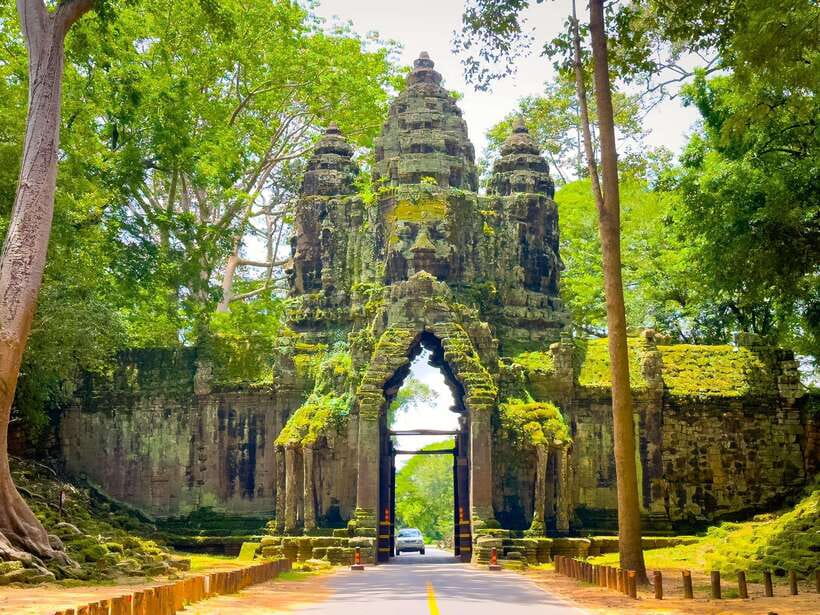
- Angkor Thom, the ancient capital
- Bayon and its 200 stone faces
- Lunch before the jungle ruins
- Ta Prohm and the trees taking back the stones
- Guide, transport, and the pace of the day
- What the $16 price really buys you
- Who should book this Angkor day
- Should you book this tour?
- FAQ
- How long does the Angkor Wat and temple tour last?
- Which temples are included?
- Is the temple entrance fee included?
- Is lunch included?
- Is hotel pickup available?
- What language does the guide speak?
- What should I bring?
Key points to know before booking
- Four major sights in one day: See Angkor Wat, Angkor Thom, Bayon, and Ta Prohm without arranging separate transport.
- A guide adds context: English commentary covers Khmer religious ideas, temple history, carvings, and mythology.
- The temple pass costs extra: Budget $37 per person for entry to all the temples during one day.
- Ta Prohm changes the mood: After grand stone galleries, you walk through crooked jungle ruins and fig trees pressing against the walls.
- Hotel pickup keeps things simple: Pickup and return are included within Siem Reap city, with the exact time supplied one day before departure.
- Plan for walking: Comfortable shoes, a hat, sunglasses, and insect repellent are useful. Skirts are not allowed, and the tour is not suitable for wheelchair users.
Why this temple route works so well
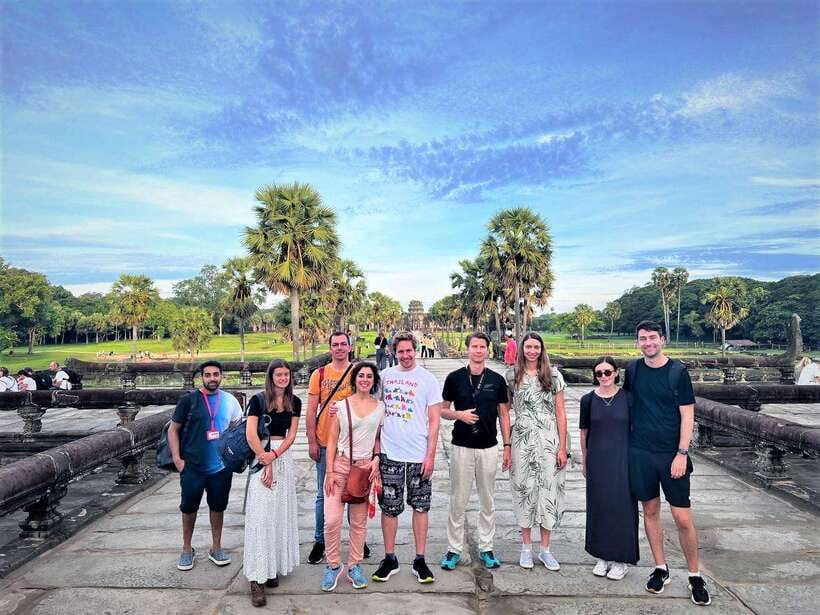
The appeal of this tour is its variety. Angkor Wat gives you scale and symmetry. Angkor Thom shows you the remains of an ancient capital. Bayon supplies the unforgettable faces, while Ta Prohm offers a quieter, more tangled setting.
You get these four major sites in about eight hours, with roughly 20 minutes of driving each way between Siem Reap and the temple area. That leaves most of the day for walking and looking, though the schedule is active. You are not signing up for a slow, private temple study. You are choosing a practical introduction to the Angkor complex.
I like that the route includes both famous monuments and different types of Khmer architecture. If this is your first visit to Angkor, you will see the major images you probably came for, including Angkor Wat’s galleries, Bayon’s stone faces, and Ta Prohm’s trees. The guide helps connect them rather than treating each temple as an isolated photo stop.
The tour has a 4.7 rating from six bookings, and the strongest praise centers on the guide. Yuth is specifically noted for explaining history and mythology while adding personal touches. That matters here. Angkor is enormous, and a guide who can tell you what you are looking at helps prevent the day from becoming a blur of walls, towers, and photographs.
More Angkor temple itineraries:
- Angkor Wat Sunrise or Sunset Tour with Guide from Siem Reap
5.0 · 12,109 reviews - Siem Reap: Angkor Wat: Small-Group Sunrise or Sunset Tour
5.0 · 9,444 reviews - Siem Reap: Angkor Wat 2-Day Tour with Sunrise and Sunset
4.9 · 4,429 reviews
Reaching Angkor Wat from Siem Reap
Your day begins with pickup at your hotel in Siem Reap city. The exact pickup time arrives one day before the tour, so keep your schedule open and check the message carefully.
The ride to the temple area takes about 20 minutes in an air-conditioned vehicle. That short transfer is useful in two ways. You avoid arranging a tuk-tuk or taxi, and you can start the day without sitting in the morning heat. Bottled water and a cool towel are included, small touches that become welcome after several hours outdoors.
There is also a 10-minute photo stop at a visitor center. The supplied details do not define the center in depth, so treat it as a brief orientation or picture break rather than a major attraction. The main value of the morning is the time at the temples themselves.
Because the tour includes hotel pickup and drop-off, it suits you if you want a straightforward day without negotiating transport. The route is also useful for solo visitors or couples who prefer a guide and shared vehicle over planning every temple connection themselves.
Angkor Wat and its carved galleries
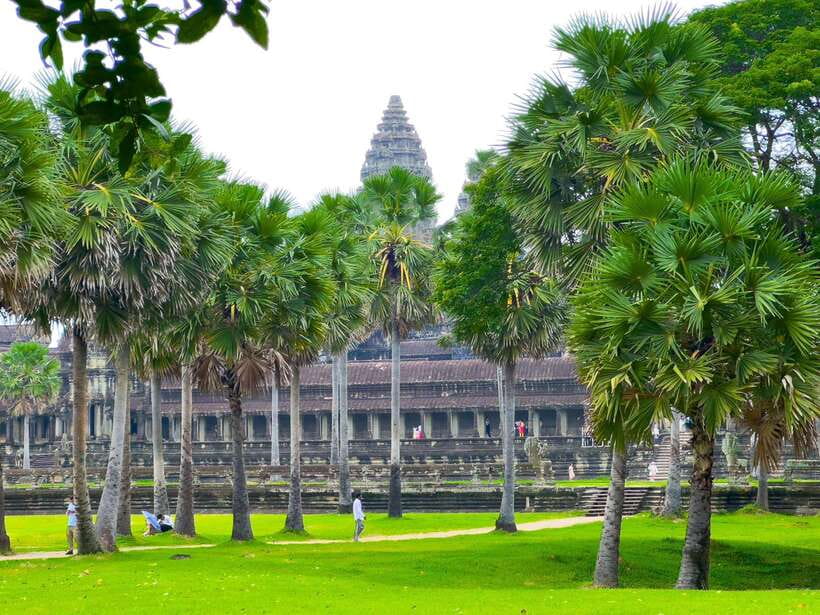
Angkor Wat receives about two hours of guided sightseeing, making it the longest stop of the day. That is appropriate. This is the largest religious monument in the world, and its scale can be hard to grasp from a quick visit.
You will walk through its galleries and study the detailed stonework with the guide pointing out the meaning behind what you see. The monument is not simply a grand shell. Its design, carvings, and religious purpose all matter, and commentary gives you a better way to read the site.
I like the two-hour allotment because it gives you time to move beyond the first impressive view. You can pay attention to the long galleries, towers, and carved surfaces rather than rushing straight back to the van. Still, expect plenty of walking on uneven temple surfaces. Comfortable shoes are more useful here than stylish footwear.
The route does not promise a sunrise visit or a special early access period, so you should not book it for a specific sunrise experience. It does include skip-the-ticket-line access, but you still need to purchase the temple pass separately. The pass covers the temples for one day and costs $37 per person.
Angkor Wat can feel overwhelming because every direction offers another architectural detail. Your guide’s explanations are most valuable when they help you choose what to notice. Yuth’s ability to discuss mythology and history would be particularly helpful at this first major stop, where the quantity of information can otherwise become tiring.
Angkor Thom, the ancient capital
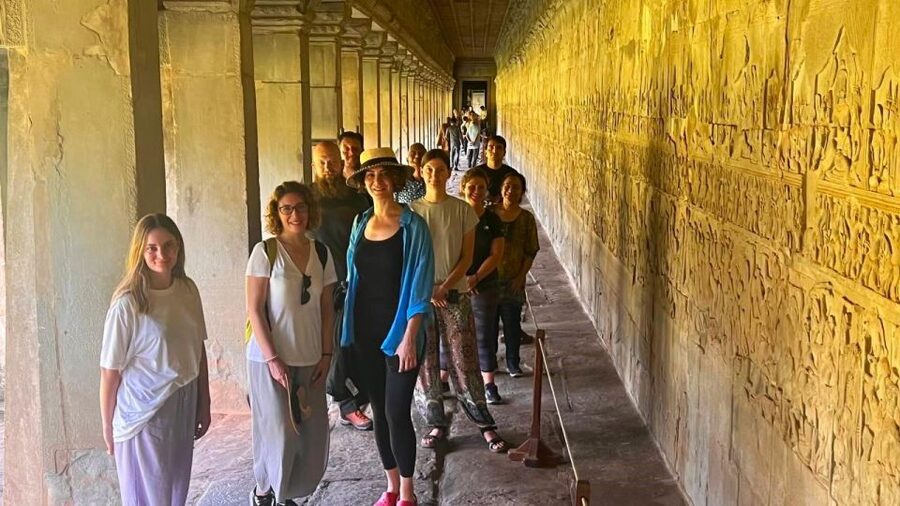
After Angkor Wat, the route heads north to Angkor Thom. This was the capital city of the Khmer Empire, not just a single temple, so the scale changes again. You first take in the grandeur of the site before going inside the city to explore.
The scheduled visit to Angkor Thom lasts about 30 minutes, separate from the one-hour stop at Bayon. That makes this part more of a city and setting visit than a complete examination of every structure within the walls. The guide explains the importance of the capital and helps you understand how Bayon fits into the larger urban site.
I appreciate this distinction. Many first-time visitors hear the name Angkor Thom and think only of Bayon. Here, you get at least a short look at the ancient capital itself before focusing on its most famous temple. It gives the stone faces a proper setting.
The drawback is time. Thirty minutes moves quickly, especially if you want to linger, take photographs, and listen to the guide. If you have already spent two hours at Angkor Wat, the active pace may feel sensible. If you want detailed study of Angkor Thom’s gates, walls, and other ruins, you will probably want a separate visit on another day.
Other Siem Reap experiences to weigh up
- Siem Reap: Full-Day Angkor Wat Guided Tour with Sunset
4.9 · 3,803 reviews - Angkor Wat Sunrise tour with Small – Group and Guide tours
5.0 · 3,655 reviews - Angkor Wat Highlights and Sunrise Guided Tour from Siem Reap
5.0 · 3,213 reviews - Full-Day Angkor Wat Sunrise Private Tour with Guide from Siem Reap
5.0 · 2,920 reviews
Bayon and its 200 stone faces
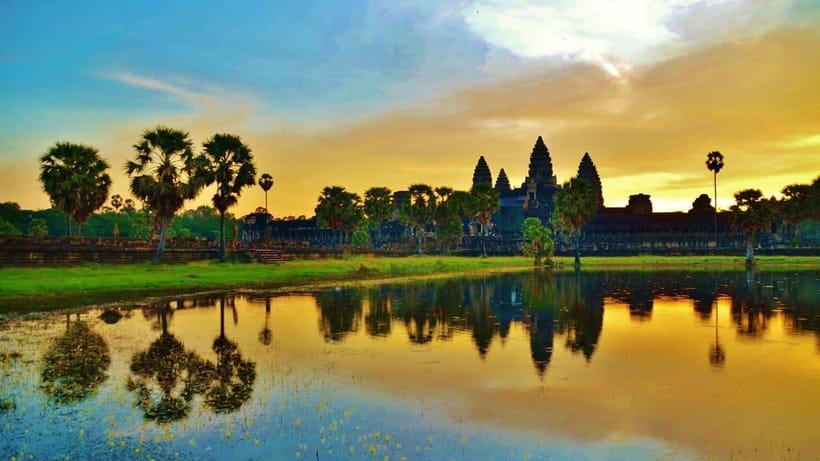
Bayon is the emotional centerpiece for many people, and this tour gives you about an hour there. Its central towers carry more than 200 enormous carved faces, creating an unusual atmosphere as you walk among the towers.
The faces are the feature you will remember, but do not ignore the rest of the stonework. The guide can place the temple within the religious and political story of Angkor Thom and explain the mythology connected with the carvings. This is a good place for questions because the monument can look confusing at first, with towers and faces appearing from several angles.
An hour is enough to see the main areas with guidance, but it will not satisfy every detail-focused visitor. Bayon rewards slow looking, and the crooked passages can make you want to stop often. You need to balance photographs with the group’s pace.
The stop follows Angkor Thom in the planned route, though the two are closely linked because Bayon sits inside the ancient capital. That arrangement makes practical sense. You first get the wider setting, then enter the temple where the famous faces take over.
Lunch before the jungle ruins
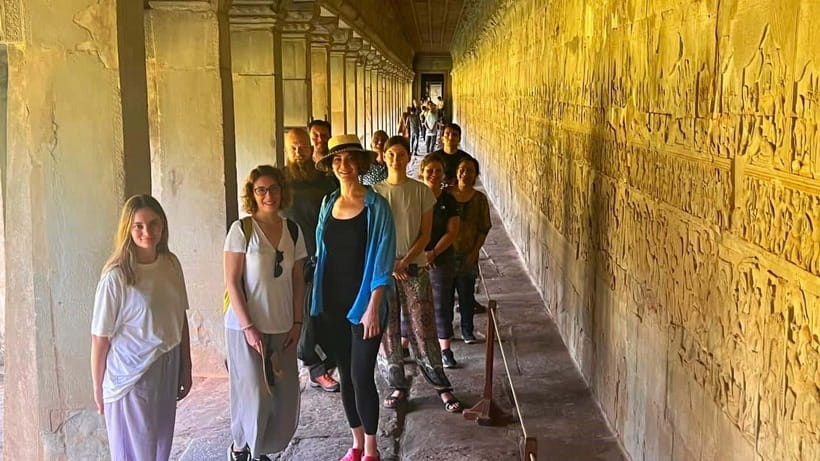
Lunch is planned at a local restaurant for one hour, but the meal is not included. You pay for your own food, and the supplied details do not specify the restaurant or menu.
That is a useful budget point. The advertised $16 price covers the tour services, but you should add the $37 temple pass and lunch when comparing this outing with other ways to see Angkor. At a minimum, the required temple entry makes the full cost more than three times the headline tour price.
I like having a full hour for lunch rather than squeezing in a rushed meal between temples. After Angkor Wat, Angkor Thom, and Bayon, you will welcome a place to sit, drink, and reset. Bring the included water, but do not treat it as a substitute for lunch or other refreshments.
Because the lunch stop is local and separate from the tour price, you retain some control over what you spend. You should simply arrive with a realistic budget and understand that the meal is not part of the $16 booking.
Ta Prohm and the trees taking back the stones
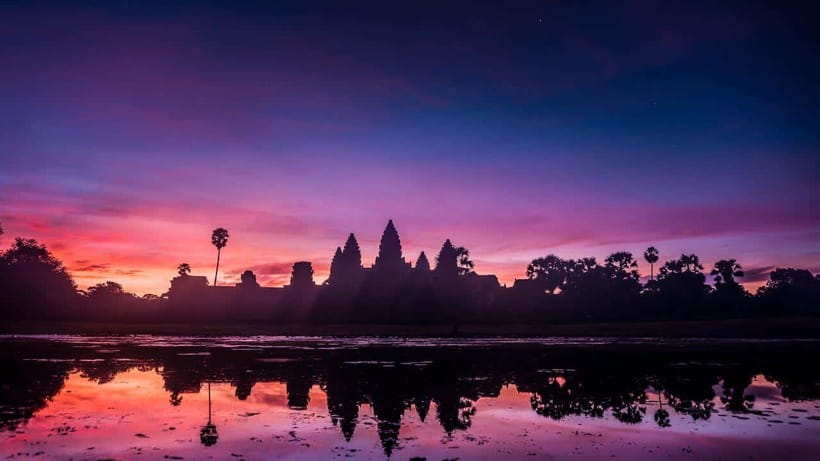
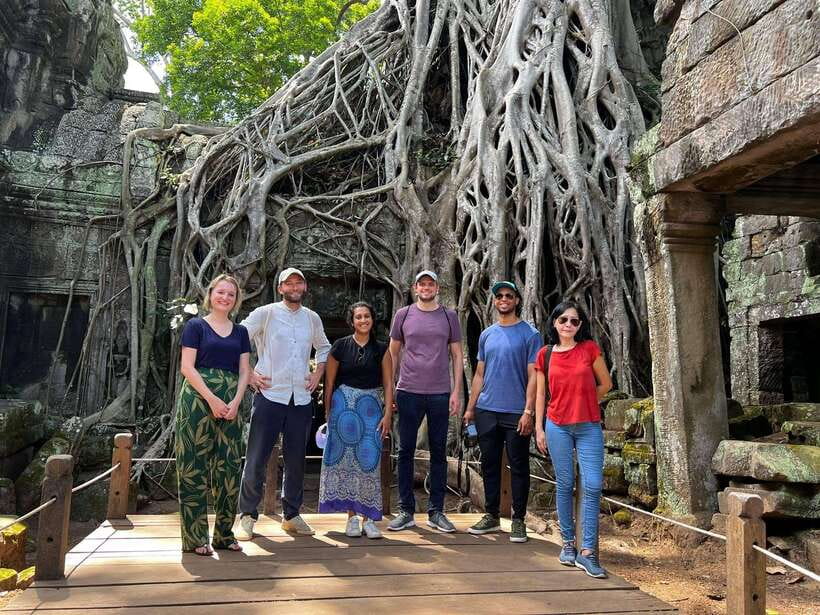
Ta Prohm changes the tone of the day. The temple sits amid the jungle, and its maze-like ruins are marked by fig trees that press into and overtake parts of the stone structure.
The visit lasts about an hour, including guided sightseeing and time to walk. This is long enough to appreciate the temple’s crooked routes and quiet setting without making the final stop feel endless after a hot day.
I like Ta Prohm as the closing temple because it offers a visual contrast to Angkor Wat and Bayon. Angkor Wat feels ordered and monumental. Bayon feels crowded with faces and towers. Ta Prohm feels irregular, with trees and broken walls creating a more intimate route.
The word jungle should not make you expect an untouched wilderness trek. You are visiting a major temple site with a planned walking stop. Still, the uneven ruins and shaded paths make comfortable shoes important. Insect repellent is also sensible, along with a hat and sunglasses for exposed sections.
The one-hour visit includes a photo stop, and Ta Prohm naturally invites photographs. Try not to spend the entire hour looking through your phone. The appeal is in noticing how the trees, roots, corridors, and fallen stones interact. Your guide can also help you understand which details belong to the temple’s design and which result from age and vegetation.
Guide, transport, and the pace of the day
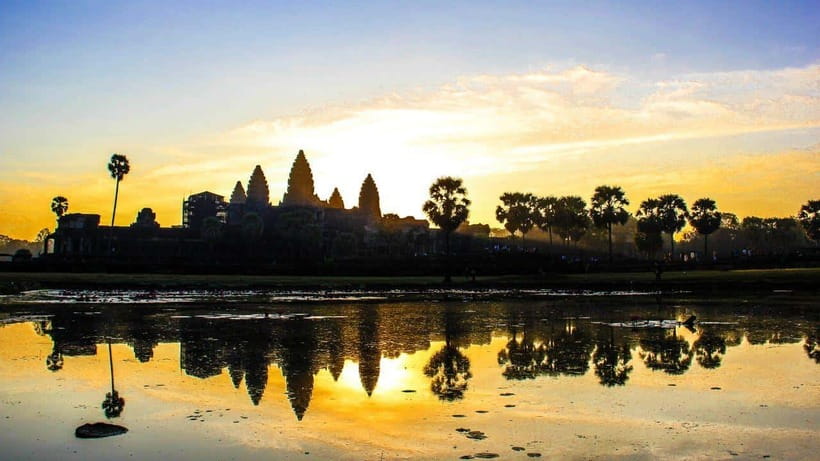
The tour uses an English-speaking live guide and an air-conditioned vehicle. Those two features make a real difference. Angkor is spread across a large area, and walking from one major temple to the next is not practical for this route.
The schedule includes about 20 minutes in the van on the way out and another 20 minutes on the return. Between the main stops, most of your time is spent walking, listening, and taking photographs. This is not a seated sightseeing tour.
Guide quality is important, and Yuth is the only guide named in the supplied information. His strengths are described as explaining the temples, history, mythology, and personal experiences while keeping the conversation sociable. I would value that mix because too much dry information can make ancient stonework hard to follow, while too little explanation leaves you with pretty photographs and few lasting connections.
The rating of 4.7 from six bookings is encouraging, though the sample is small. I would treat it as a positive signal rather than a guarantee that every departure will feel identical. The best choice for you depends partly on whether you want a guide-led overview or private time at each site.
What the $16 price really buys you
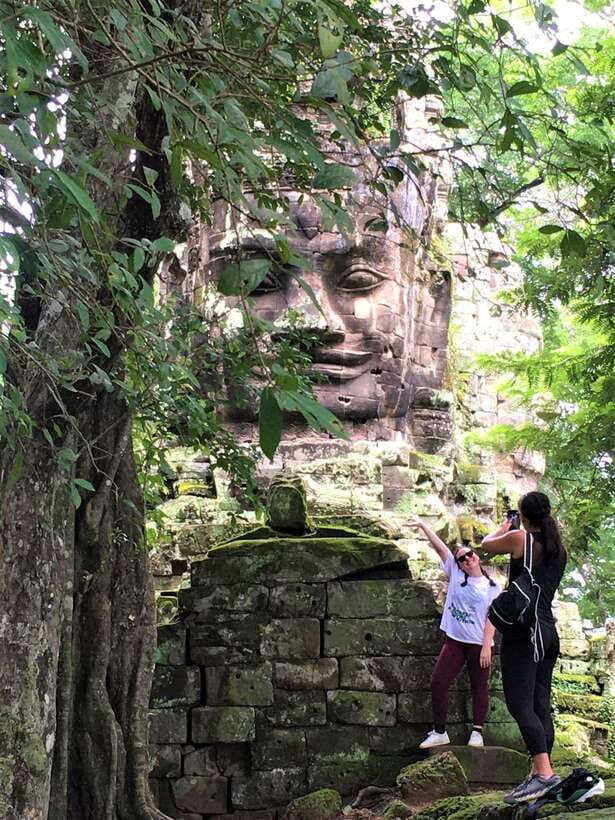
At $16 per person, the tour service is inexpensive for an eight-hour day with hotel pickup, transport, a guide, bottled water, and a cool towel. The value is strongest if you would otherwise need to arrange a vehicle and pay for guiding separately.
The temple pass changes the calculation. Entry costs $37 per person for one day, and lunch is extra. That puts the required cost at $53 before food. Even so, you are paying $16 for transport, a full day of routing, and English commentary across four major sights, which remains a reasonable deal.
Do not choose this tour because you expect a cheap temple day for $16 total. Choose it because the low tour fee reduces the effort and transport cost of seeing Angkor. The included hotel return is also useful at the end of a long day when arranging your own ride may feel like one more task.
Free cancellation up to 24 hours before departure and the option to reserve now and pay later give you some flexibility. Pickup is included only within Siem Reap city, and the exact time is provided the day before.
Who should book this Angkor day
I would suggest this tour if you are in Siem Reap for a short stay and want the major temples covered in one organized day. It is also a good fit if you want explanations in English, prefer air-conditioned transport, and do not want to plan temple transfers yourself.
It suits you especially well if you like a clear route with a mix of monumental architecture, city ruins, carved faces, and jungle scenery. The guide-led format is useful for first-time visitors who want help understanding religious symbols and Khmer mythology.
You may want a different arrangement if you prefer to spend half a day at one temple, set your own pace, or return to a favorite site for long photography sessions. The 30-minute Angkor Thom stop and one-hour Bayon and Ta Prohm visits keep the day moving.
The tour is not suitable for wheelchair users. You should also avoid skirts, bring comfortable shoes, and plan for sun and insects. A hat, sunglasses, and repellent are listed as useful items, and I would take all four.
Should you book this tour?
Book it if you want an affordable, well-organized introduction to Angkor’s essential sights and appreciate having a guide explain what the carvings and temples mean. The combination of Angkor Wat, Bayon, Angkor Thom, and Ta Prohm gives you a strong first look at the area’s different moods.
Skip it if your priority is complete independence or long, unhurried time at one ruin. Also compare the full cost, not just the $16 headline price: add the $37 temple pass and your lunch.
For most first visits from Siem Reap, I think the route offers good value. The air-conditioned transport and guide reduce the day’s practical hassles, while Ta Prohm gives the final hours a memorable change of pace.
FAQ
How long does the Angkor Wat and temple tour last?
The tour lasts eight hours, including hotel pickup and drop-off in Siem Reap city.
Which temples are included?
The route includes Angkor Wat, Angkor Thom, Bayon Temple, and Ta Prohm Temple.
Is the temple entrance fee included?
No. The one-day temple pass costs $37 per person and is paid separately.
Is lunch included?
No. Lunch at a local restaurant is planned for one hour, but you pay for your own meal.
Is hotel pickup available?
Yes. Hotel pickup and drop-off within Siem Reap city are included. The exact pickup time is provided one day before the tour.
What language does the guide speak?
The live tour guide speaks English.
What should I bring?
Bring sunglasses, comfortable shoes, insect repellent, and a hat. Skirts are not allowed, and the tour is not suitable for wheelchair users.
Fresh reviews from around Siem Reap
- Full-Day Tour Preah Vihea & Koh Ker Temple 3.7 · 3 reviews
- Savor the Countryside: Tours with Authentic Cooking Classes” 5.0 · 3 reviews
- Angkor Wat Sunrise TukTuk Tour 5.0 · 3 reviews
- Angkor Grand Circuit Tour & Banteay Srei 5.0 · 3 reviews
- Guided Private Tuk Tuk Tour Angkor Wat and Small Circle and Five Extras 5.0 · 3 reviews
- Siem Reap Temple Tour 2-Day with Sunrise/Sunset 3.7 · 3 reviews
- Bangkok to Angkor Wat 2 Days 1 Night by Flight 4.5 · 3 reviews
- Kompong Pluk Tour 5.0 · 3 reviews
Angkor Temple Tours, compared.

Angkor Wat Sunrise or Sunset Tour with Guide from Siem Reap
Read our review →



Angkor Wat Sunrise tour with Small – Group and Guide tours
Read our review →
Angkor Wat Highlights and Sunrise Guided Tour from Siem Reap
Read our review →
