
Reviewed · COUNTRYSIDE & VILLAGE TOURS
Cambodian Village Life Tour with Lady Tuk Tuk & Local Guide
The most interesting part of this four-hour outing is the shift from Siem Reap’s temple crowds to ordinary village life. You ride into rice-growing country, meet families who make bamboo sticky rice and rice noodles, and see how food, farming, Buddhism, and water shape daily life.
I like the private format, since your group sets the pace instead of following a large bus. I also like the close look at food production, especially the chance to watch traditional rice dishes being made before tasting them.
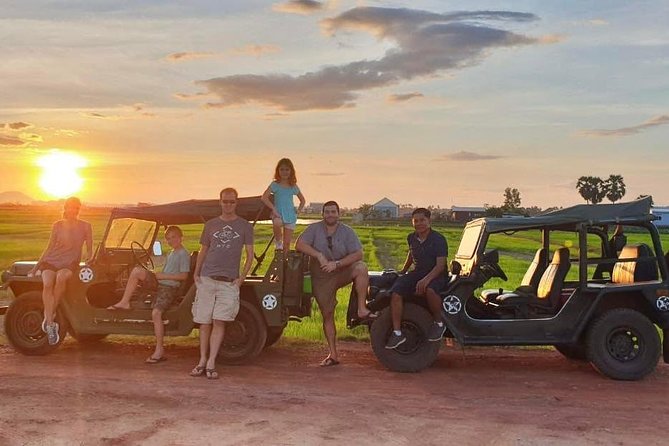
The main point to check is the transport and meal arrangement. The experience describes a refurbished US Army Jeep in one place and private transport by lady tuk tuk driver in another. It also mentions local cuisine for lunch, while the included items list snacks and drinks. Confirm both details before you pay.
In This Review
- Key points to know before you book
- Leaving Siem Reap for rice country
- West Baray: food made by hand
- Wat Svay Romiet and the role of Buddhism
- Lotus Farm: a symbol with local meaning
- Krabei Riel: gardens, farmers, and a village market
- Duck farms, buffaloes, and native birds
- Tuk tuk or refurbished Army Jeep?
- What $35 buys you
- Who will enjoy this countryside outing?
- Practical booking advice for Siem Reap
- Should you book the Cambodian Village Life Tour?
- FAQ
- How long does the Cambodian Village Life Tour last?
- Is hotel pickup available in Siem Reap?
- Is this a private tour?
- Is an English-speaking guide included?
- What food and drinks are included?
- What places are visited?
- Can I cancel for a full refund?
Key points to know before you book
- A private four-hour outing: Only your group participates, with hotel pickup in Siem Reap.
- Food is part of the experience: Watch bamboo sticky rice and rice noodles being made, then sample local flavors.
- Guide Mork may be your guide: One detailed account names Mork as the English-speaking countryside guide, but a specific guide is not guaranteed.
- The route mixes culture and farming: Visit Wat Svay Romiet, a lotus farm, a village market, a duck farm, and working fields.
- A useful break from temple touring: The focus is present-day Cambodian life, not monuments and ancient stones.
- Check two booking details: Clarify whether your vehicle is a tuk tuk or refurbished Jeep, and whether lunch means a full meal or tastings.
Leaving Siem Reap for rice country
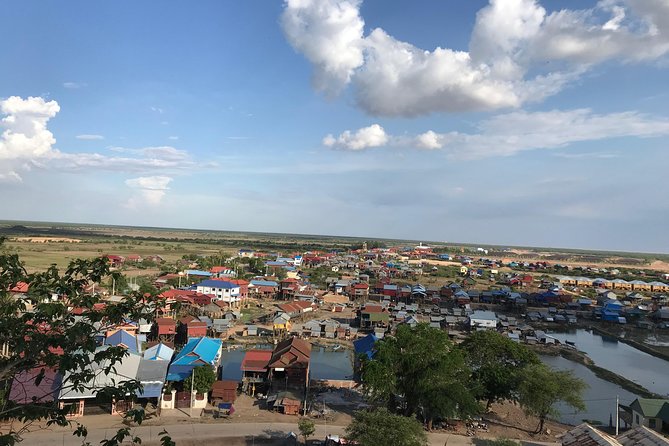
Hotel pickup gets the morning or afternoon moving without a separate taxi ride. The listed pickup stop takes only a few minutes, so the real value begins once you leave town and the road opens toward fields and villages.
The outing is designed for people who want more than the usual Angkor circuit. You will not spend the day ticking off major ruins. Instead, you get a look at food-making, farm work, religious practice, and village trade.
The private setup matters here. A guide can explain what you are seeing without trying to speak over a full coach group. You can also ask questions about a family’s cooking method, a monastery, or the crops along the road.
The trip is approximately four hours, which makes it easy to fit around other Siem Reap plans. I would still avoid placing it too close to an important temple visit or airport transfer. Pickup time and road conditions can affect the exact schedule.
More countryside rides around Siem Reap:
- Sunset tour of Kampong Phluk stilts home village on the Tonle Sap
5.0 · 4,865 reviews - Tonle Sap Lake & Kampong Phluk Village Half-Day Tour
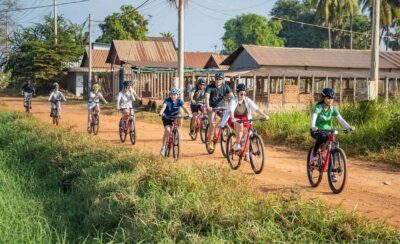
5.0 · 1,045 reviews - Siem Reap Countryside Bike Tour / E-Bike or Tuk Tuk
5.0 · 935 reviews
West Baray: food made by hand
The longest stop is at West Baray, where you meet a local family and watch bamboo sticky rice and rice noodles being prepared. This is the heart of the outing because it connects food on your plate with the work behind it.
Bamboo sticky rice is especially interesting to watch. Rice is prepared inside bamboo, creating a portable food with a strong link to rural cooking. The noodle-making demonstration gives you another look at a familiar Cambodian staple before it reaches a market or dining table.
You are also offered local snacks and drinks. The experience description says local cuisine is included for lunch, but the formal inclusions specify snacks, local snack tasting, bottled water, and drinks rather than a clearly defined sit-down lunch.
That difference is worth taking seriously. If you expect a full meal, ask Bayon Guide what food is served, how much is included, and whether the tasting replaces lunch. If you prefer sampling several local items to eating one large dish, the arrangement may suit you well.
One account of the trip describes a farm visit, a rice mill, and rice being threshed, with guide Mork explaining the work. Those details fit the countryside focus, but the exact farm activities may vary by day and season. You might see machinery, animals, or active fieldwork rather than the same demonstration each time.
Wat Svay Romiet and the role of Buddhism
Wat Svay Romiet provides a quiet change of pace after the food stop. You spend about 30 minutes at a Buddhist monastery and learn about Theravada Buddhism, the tradition that guides much of daily spiritual life in Cambodia.
This is not presented as a major sightseeing temple with a long list of monuments. Its value is personal and local. A guide can help you understand why a monastery matters to village residents and how religious practice fits alongside farming, family life, and community events.
Give the monastery a respectful visit. Keep your voice low and follow any instructions about where to walk or stand. The supplied information does not set out a dress code, so ask your guide if you are unsure about clothing or behavior.
Thirty minutes is enough for an introduction, but not a detailed religious tour. If you want long talks about Buddhist philosophy or temple architecture, this stop may feel brief. If you want a practical glimpse of the spiritual side of Cambodian village life, the short visit works well.
Lotus Farm: a symbol with local meaning
The lotus farm brings you to a pond and explains the flower’s place in Khmer culture. You learn why the lotus is linked with purity and resilience, ideas that carry both religious and cultural weight.
This stop is about meaning as much as scenery. The pond gives you a chance to slow down and look at a plant that appears in Buddhist settings, local decoration, and everyday Cambodian imagery.
The visit lasts about 30 minutes. That is enough for photographs and an explanation, but not a long farm lesson. Conditions around the pond can vary, and the experience does not promise a particular bloom level or a specific harvest activity.
I like this stop because it adds context to what could otherwise be just a pleasant rural view. You are not simply passing a pond. You learn why the lotus matters, then carry that idea with you when you see it elsewhere in Cambodia.
Other Siem Reap experiences to weigh up
- Siem Reap: Angkor Wat Private Tuk-Tuk Tour
4.9 · 2,222 reviews - Angkor Sunrise Bike Tour / E-Bike or Tuk Tuk
5.0 · 615 reviews - Angkor Wat Private Tuk-Tuk Tour (sunrise Option) & more
5.0 · 439 reviews - Old Siem Reap Sunset Food Tour by Tuk-tuk
5.0 · 311 reviews
Krabei Riel: gardens, farmers, and a village market
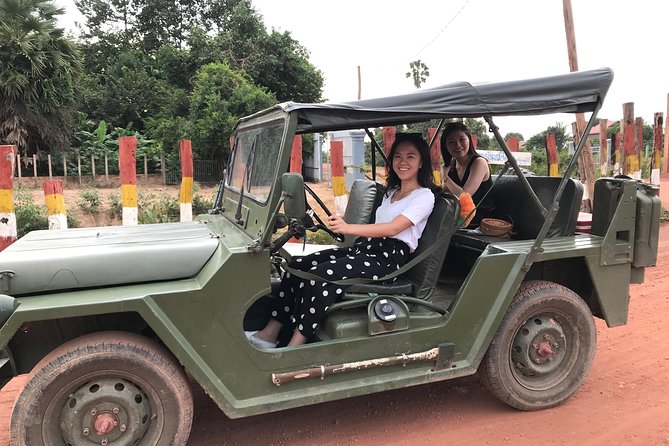
At Krabei Riel, the pace becomes more active again. You walk through gardens, see farmers at work, and visit a village market. The stop is listed at about 20 minutes, so expect a quick look rather than a long market visit.
This is the kind of stop where your guide’s explanations make a difference. A market can look like a blur of produce and small goods if you do not know what you are seeing. With an English-speaking guide, you can ask about local foods, farming, and the people who supply the market.
The gardens also help put the surrounding rice fields into context. Rural Cambodian food does not come from one crop alone. Gardens, ponds, livestock, and seasonal fieldwork all contribute to village life.
Do not expect a polished tourist market with a large shopping selection. The appeal is seeing a working local place, not finding souvenirs. The short stop may feel rushed if you want to browse every stall or buy ingredients.
Duck farms, buffaloes, and native birds
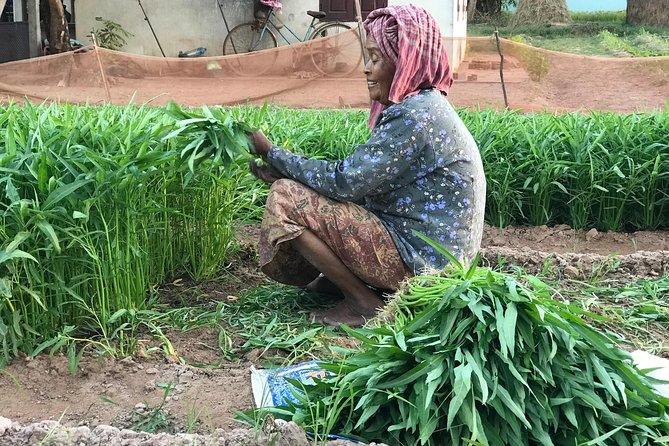
The final countryside portion takes you to a family duck farm. Along the way, you may see water buffaloes and native birds. This gives the tour a simple but useful focus on animals that support or share space with rural communities.
A family duck farm is more revealing than a staged animal attraction. It shows a small piece of how food production works and how households use available land and water. The visit is listed at about 15 minutes, so it is a brief introduction rather than a farm work session.
The mention of water buffaloes and birds also points to the wider setting. Rice fields are not empty stretches of green. They support livestock, wildlife, and the people who work them.
Keep expectations realistic. Wildlife sightings are never guaranteed, and the information does not promise a particular number of animals or birds. You might see several types of local life, or simply enjoy the ride through the countryside between stops.
Tuk tuk or refurbished Army Jeep?
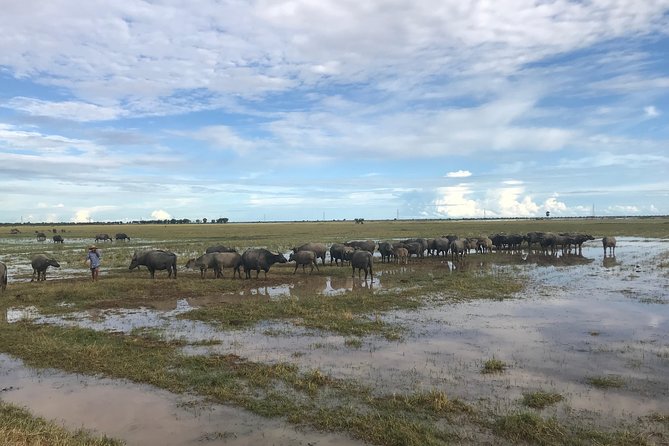
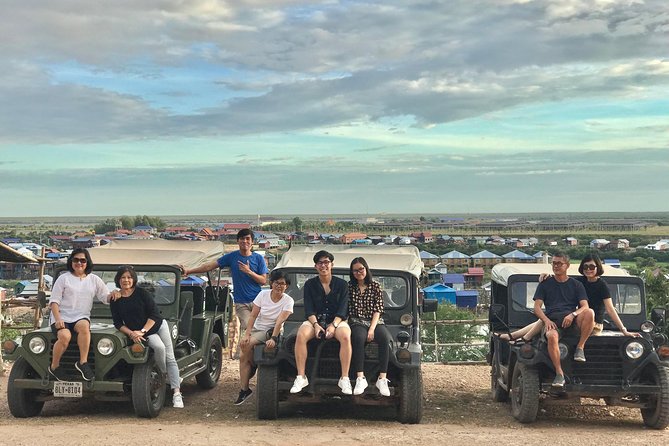
The transport information needs clarification. The experience title and inclusions point to private transport by a lady tuk tuk driver. The overview also describes cruising in a refurbished US Army Jeep.
These are not the same ride, and the difference affects comfort, shade, road feel, and the character of the trip. A tuk tuk offers the open-air village experience many people want in Siem Reap. A Jeep would give the outing a more unusual, rugged feel.
Before booking, message Bayon Guide and ask which vehicle is used for your date. Also ask if the lady driver is the main driver throughout and whether an English-speaking guide rides with you. The tour does include an English-speaking guide, but the supplied details do not guarantee a particular person.
One named guide connected with the experience is Mork. A detailed account describes him leading a countryside visit and explaining rice processing and farm life. You may receive Mork, but the booking information does not say that he is assigned to every departure.
What $35 buys you
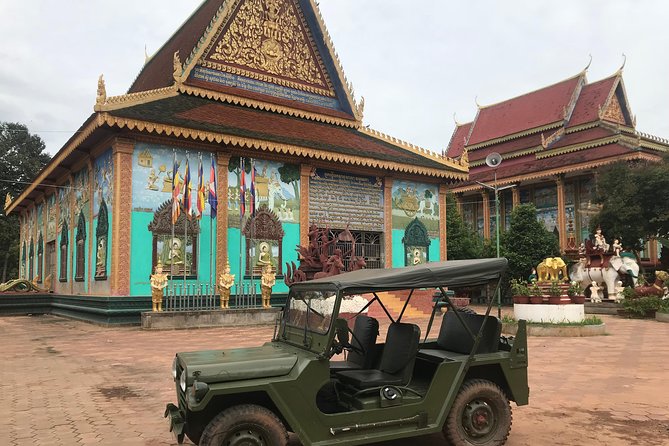
At $35 per person, the outing offers solid value if you want several short cultural stops and private transport. You are paying for hotel pickup, a driver, an English-speaking guide, countryside transport, food tasting, drinks, bottled water, and access to a route that would be awkward to arrange alone.
The private format is the biggest value point. A cheap shared ride may cover the same roads, but it will not give your group the same control over questions, timing, and conversation.
The price is less compelling if you are mainly looking for a full meal or a long farm visit. The West Baray stop is substantial, but the monastery, lotus farm, market, and duck farm are all fairly short. This is a broad introduction, not a single subject tour.
Group discounts are available, so the cost may work especially well for families or friends traveling together. Solo visitors should compare the private price with other countryside options, since private transport can cost more per person when only one person books.
Who will enjoy this countryside outing?
I would recommend it to first-time visitors who have already planned temple sightseeing and want to see another side of Siem Reap. It also suits people who enjoy food demonstrations, small farms, village markets, and short cultural visits more than formal museums.
Families may appreciate the variety. Rice making, ducks, buffaloes, birds, gardens, and a lotus pond give children several things to look at, though the tour does not list special child-focused activities.
It is a good fit for anyone who prefers a private group. You can ask questions without worrying about slowing down a large party, and you avoid spending four hours with strangers.
You may want another option if you need a guaranteed full lunch, a highly structured schedule, or a long visit at each location. The experience is broad and flexible in spirit, with several stops packed into four hours.
Most people can participate, according to the supplied details. No special access restrictions are listed, but the route includes walking through village areas, gardens, markets, and a monastery. Ask the provider directly if you have specific mobility needs.
Practical booking advice for Siem Reap
Book at least a little ahead if your schedule is tight. The experience is booked on average 18 days in advance, which suggests that popular dates may fill before the last minute.
Wear practical clothing for a rural outing and bring sun protection. Bottled water is included, but the information does not say that all refreshments or shade are available at every stop.
Keep some money available for personal expenses and gratuity. Those costs are not included, and a village market may tempt you to buy something small.
The cancellation policy is straightforward: cancel at least 24 hours before the local start time for a full refund. Cancellations or changes made inside that window are not refunded or accepted.
Should you book the Cambodian Village Life Tour?
Book it if you want a private, food-focused look at present-day Cambodia outside Siem Reap. The strongest reasons are the family food visit, the chance to see rice processing and farm life, the monastery explanation, and the small-scale route through gardens, markets, and animal farms.
I would book with two questions sent to Bayon Guide first: Is the vehicle a lady-driven tuk tuk or a refurbished US Army Jeep, and does the price include a full lunch or only snacks and tastings? Once those points are clear, $35 is a fair price for a compact private introduction to the countryside.
Skip it if your main goal is more Angkor temples, a long Tonle Sap boat outing, or a substantial restaurant meal. Choose it when you want village food, working farms, and everyday culture in one manageable half-day.
FAQ
How long does the Cambodian Village Life Tour last?
The experience lasts approximately four hours.
Is hotel pickup available in Siem Reap?
Yes. Hotel pickup in Siem Reap is included.
Is this a private tour?
Yes. Only your group participates in the activity.
Is an English-speaking guide included?
Yes. An English-speaking guide is included.
What food and drinks are included?
The included items list local snack tasting, drinks, and bottled water. The tour description also refers to local cuisine for lunch, so confirm with Bayon Guide whether this means a full lunch or tastings and snacks.
What places are visited?
The route includes West Baray, Wat Svay Romiet, a lotus farm, Krabei Riel, and a family duck farm in Siem Reap Province.
Can I cancel for a full refund?
Yes. You can receive a full refund if you cancel at least 24 hours before the experience start time. Cancellations and changes made less than 24 hours before the start time are not accepted or refunded.
Fresh reviews from around Siem Reap
- Full-Day Tour Preah Vihea & Koh Ker Temple 3.7 · 3 reviews
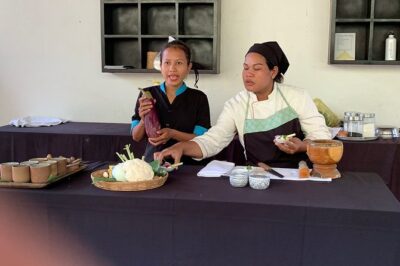
- Savor the Countryside: Tours with Authentic Cooking Classes” 5.0 · 3 reviews
- Angkor Wat Sunrise TukTuk Tour 5.0 · 3 reviews
- Angkor Grand Circuit Tour & Banteay Srei 5.0 · 3 reviews
- Guided Private Tuk Tuk Tour Angkor Wat and Small Circle and Five Extras 5.0 · 3 reviews
- Siem Reap Temple Tour 2-Day with Sunrise/Sunset 3.7 · 3 reviews
- Bangkok to Angkor Wat 2 Days 1 Night by Flight 4.5 · 3 reviews
- Kompong Pluk Tour 5.0 · 3 reviews
Countryside & Village Tours, compared.
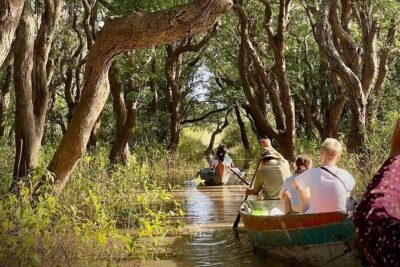
Sunset tour of Kampong Phluk stilts home village on the Tonle Sap
Read our review →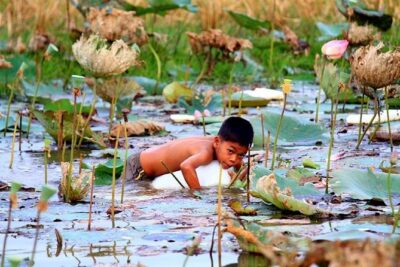
Browse the lists this tour appears in