Reviewed · CITY TOURS
Angkor Wat Bayon and Ta Prohm with a short walk to ancient city
Angkor Wat, Bayon, and Ta Prohm give you Cambodia’s three most famous temple scenes in one focused day: the grand towers of Angkor Wat, Bayon’s stone faces, and Ta Prohm’s tree-covered ruins. I like the private format, which keeps the pace in your hands, and the local guide, especially Dan, whose storytelling covers Cambodian history, politics, culture, and religion. The main catch is that the advertised $45 price does not include the $37 temple pass.
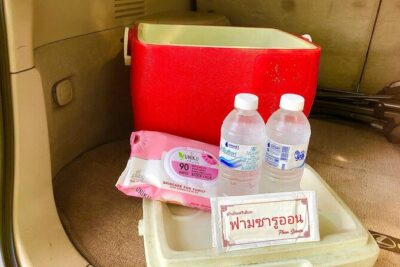
I also like the air-conditioned car, hotel pickup, cold towels, and drinking water, all welcome after hours in the tropical heat. You should be ready for substantial walking, uneven temple surfaces, and strict clothing rules covering knees and shoulders.
In This Review
- Key points to know before booking
- Why this small-circuit tour works
- Angkor Wat takes the first three hours
- Angkor Thom begins at the South Gate
- Bayon and its many stone faces
- Extra Angkor Thom sights if you still have energy
- Ta Prohm, the tree temple
- What the $45 price really includes
- The guide makes the difference
- Transport, comfort, and the walking load
- Who should book this experience
- Booking advice and cancellation terms
- Should you book this Angkor temple tour?
- FAQ
- How long does the Angkor temple tour last?
- Which main temples are included?
- Is the temple admission fee included?
- Is hotel pickup provided?
- Is this a private tour?
- What should I wear?
- What should I bring for walking?
- Is an English-speaking guide included?
Key points to know before booking
- Three headline temples in one half-day: Angkor Wat, Bayon, and Ta Prohm form a strong introduction to the Angkor complex.
- Dan brings the carvings to life: His explanations include the religions and political setting behind the temples, not just dates and photo stops.
- Private touring means a flexible pace: Only your group participates, with a possible extra temple if you still have energy.
- The real cost is $82 per person: Add the $37 temple fee to the $45 tour price.
- Angkor Thom adds more than Bayon: The route can include the South Gate, Baphuon, the Elephant Terrace, the Terrace of the Leper King, and the Royal Palace.
- Dress and footwear matter: Cover your knees and shoulders, and wear comfortable shoes for the stone paths and stairs.
Why this small-circuit tour works
The Angkor complex can feel overwhelming. There are temples in several directions, long drives between them, and enough carved stone to fill several days. This outing keeps the focus on three essential sites, then adds Angkor Thom’s major sights when time and energy allow.
I see that as a sensible first visit. Angkor Wat gives you scale and ceremony. Bayon changes the mood with its mysterious faces. Ta Prohm supplies the photogenic ruins where trees grow through the old stonework. Together, they show three different sides of the Khmer building tradition.
The tour lasts about five to seven hours. That is long enough for a serious look at the main temples without turning the day into an endurance contest. The exact pace matters, since Angkor Wat alone is scheduled for about three hours, Bayon for one hour, Ta Prohm for one hour, and the South Gate for about 30 minutes.
Because this is a private activity, you do not have to match the walking speed of a large group. You can ask your guide to explain a carving, pause for water, or keep moving if the heat begins to wear you down.
More Angkor temple itineraries:
- Angkor Wat Sunrise or Sunset Tour with Guide from Siem Reap
5.0 · 12,109 reviews - Siem Reap: Angkor Wat: Small-Group Sunrise or Sunset Tour
5.0 · 9,444 reviews - Siem Reap: Angkor Wat 2-Day Tour with Sunrise and Sunset
4.9 · 4,429 reviews
Angkor Wat takes the first three hours
Angkor Wat is the big one, and the planned three-hour visit gives it the attention it deserves. Built between 1113 and 1150 by King Suryavarman II, the temple measures about 330 meters by 260 meters and rises in three levels with five main towers.
I like beginning here because the monument immediately explains why Angkor Wat became Cambodia’s national symbol. Its outline even appears on the national flag. You are not just looking at an old religious building. You are seeing a site tied closely to the country’s identity.
The visit includes both an outside view and time inside the temple with an English-speaking local guide. That distinction matters. Angkor Wat is too large to understand from the famous front photograph alone. The galleries, levels, towers, and carved surfaces reward a slower look.
Ask your guide to connect the building’s design with the religious ideas behind it. Dan, in particular, is praised for explaining the religions that shaped the temples and the carvings. His strength is not simply reciting construction dates. He places the stonework within Cambodia’s cultural and political story.
Three hours can pass quickly here. You will want comfortable shoes, modest clothing, and water. The temple fee is not part of the tour price, so budget for the separate $37 admission charge before you arrive.
Angkor Thom begins at the South Gate
After Angkor Wat, the route moves to Angkor Thom, an ancient city enclosed by walls about three kilometers on each side. The South Gate is scheduled for about 30 minutes, giving you time to see the entrance and hear how the city was arranged.
Angkor Thom has five gates: the South Gate, the Ghost Gate or Gate of the Dead, the Victory Gate, the North Gate, and the gate sometimes called the Killing Gate. A short visit at the South Gate cannot cover every part of the city, but it gives you a useful sense of its scale and defensive design.
This is also where the outing feels less like a simple checklist of famous temples. Angkor Thom was a city, not merely a collection of isolated monuments. That wider setting helps you understand why Bayon, Baphuon, the terraces, and the Royal Palace belong together.
The South Gate stop is brief, so keep your expectations in check. It is an orientation visit rather than a full tour of the city walls and every entrance. Its value comes from the context your guide adds before you enter Bayon.
Bayon and its many stone faces
Bayon receives about one hour. The temple is famous for its large carved faces, which appear from different angles as you move around the structure. The changing views are part of the fun. A face that seems obvious from one platform can blend into the stonework from another.
I would pay close attention to your guide here. Without explanation, Bayon can become a search for the best face photograph. With a good explanation, the temple becomes easier to read as a place shaped by religious and royal ideas.
The planned visit includes the outside and inside, with time for the guide to discuss the carvings. Dan’s ability to explain both cultural and political subjects is especially useful at a site where the decoration carries more than one layer of meaning.
One hour is enough for a clear introduction, but it is not a leisurely study period. You may need to choose between lingering over carvings, taking photographs, and following the full route through the temple. The private format helps because you can tell your guide what interests you most.
Bayon also involves uneven stone surfaces and changing levels. Comfortable walking shoes are not a minor suggestion here. Bring only what you need, since you are advised not to carry valuables.
More walking tours in Siem Reap:
- Siem Reap: City Walking Tour
4.6 · 583 reviews - Siem Reap City Walking Tour
4.5 · 114 reviews - Siem Reap Walking Tour: Landmarks & Hidden Gems
5.0 · 15 reviews - Angkor Wat: Tuk Tuk and Walking Tour
5.0 · 12 reviews
Extra Angkor Thom sights if you still have energy
The broader plan includes Baphuon Temple, the Elephant Terrace, the Terrace of the Leper King, and the Royal Palace. These sites are an important part of the experience, but the listed stop times focus more clearly on the South Gate, Bayon, and Ta Prohm.
The practical point is simple: treat the extra Angkor Thom stops as possible additions rather than guaranteed long visits. The description says the guide can bring you around another small temple if you still have energy. Your final route may depend on your pace, the heat, and how much time you spend at Angkor Wat.
Baphuon adds another major temple to the day. The Elephant Terrace and Terrace of the Leper King help explain how royal spaces were used and decorated. The Royal Palace extends the picture beyond temples, showing that Angkor Thom was also a center of royal life.
I like having this flexibility in a private tour. You are not forced to rush through every named sight just to keep to a large group’s schedule. On the other hand, if seeing every Angkor Thom site is your main goal, ask about the exact plan before booking.
Ta Prohm, the tree temple
Ta Prohm is the final main stop and lasts about one hour. It is also known as the tree temple and is widely associated with the Tomb Raider film. The appeal is immediate: stone corridors, fallen blocks, and trees growing through and around the ruins create a setting unlike Angkor Wat or Bayon.
I would save energy for Ta Prohm. After several hours of walking, it is tempting to treat the last temple as a quick photo stop. That would miss the contrast that makes the route work. Angkor Wat feels ordered and monumental. Bayon feels crowded with faces. Ta Prohm feels partly overtaken by the forest.
The guide covers both the exterior and interior and explains the site as you walk. One hour gives you a useful visit, though the temple’s layout can make the time feel short. Comfortable footwear is important, and modest clothing remains required.
The film connection may draw you here, but the temple is worth more than its movie fame. Look at how the surviving stone and tree growth interact. The worn surfaces and collapsed areas show the effects of age in a way that polished, more complete structures do not.
What the $45 price really includes
The tour costs $45 per person, but the temple fee adds $37 per person. That brings the known total to $82 per person before any tip. The advertised price is therefore best understood as the cost of the guide, vehicle, and service, not the full cost of entering Angkor.
That price can be fair for a private half-day outing. You receive hotel pickup and drop-off, an air-conditioned car, drinking water, cold towels, and a local English-speaking guide. The private setup is the key value. You are paying for a vehicle and guide reserved for your group rather than joining a shared departure.
Group discounts are offered, though no discount amount is provided. If you are traveling with several people, check the final price carefully and compare it with the cost of arranging separate transport and a guide.
Tipping for the guide and driver is recommended but not included. Travel insurance is also excluded. Those are ordinary extra costs, but they should be part of your budget.
The guide makes the difference
Temple visits can become a blur of dates and names. A strong guide helps you see why a carving matters, how religious beliefs shaped the buildings, and where royal power fits into the story.
Dan is the only guide named in the available information, and his strongest described quality is storytelling. He explains Cambodian history, including cultural and political subjects, as well as the religions connected to the temples and their carvings.
That mix is valuable at Angkor. The monuments are not just ruins to photograph. Their design, images, and scale reflect changing religious ideas and the ambitions of Khmer rulers. You will get more from the visit if you ask questions rather than simply follow from one tower to the next.
The tour uses a local English-speaking guide. If you book, tell the operator what you care about most, such as architecture, carving details, religion, political history, or photography. Since this is private, the guide can give more time to your interests than a fixed large-group tour usually allows.
Transport, comfort, and the walking load
Hotel pickup and drop-off keep the day simple. The air-conditioned car is a real advantage in Siem Reap’s heat, especially after walking over exposed stone and open temple grounds.
Cold towels and drinking water are included. These are small touches, but they matter during a five to seven-hour outing. You should still arrive ready to walk and avoid carrying valuables, as advised by the operator.
The tour is not described as physically difficult, and most people can participate. Still, the temples involve walking over uneven surfaces and may include steps and raised levels. Comfortable shoes are the sensible choice.
You must cover your knees and shoulders when entering the temples. Pack clothing that meets those rules from the start. If you arrive in unsuitable clothing, you may lose time trying to adjust your outfit.
Who should book this experience
I think this tour suits a first visit to Angkor when you want the essential sites without committing to a full-day or multi-day temple program. It also works well if you value a private guide and hotel transport more than the lowest possible price.
It is a good fit for:
- Couples or families wanting a private pace
- First-time visitors who need historical context
- Small groups that may qualify for a discount
- People who want air-conditioned transport between sites
- Anyone interested in the connection between religion, politics, and temple art
I would be more cautious if you want a slow photographic study of each temple. Three hours at Angkor Wat sounds generous, but Bayon and Ta Prohm each receive about one hour, and the additional Angkor Thom sites may shorten the time available elsewhere.
The tour is also less suitable if you want temple admission included in the advertised price. The separate $37 fee is substantial, so factor it in before comparing this outing with other options.
Booking advice and cancellation terms
Confirmation is provided at booking, and the experience is usually booked about 10 days ahead. That timing suggests you should reserve early if your Siem Reap dates are fixed.
You can cancel for a full refund up to 24 hours before the start time. Cancellations or changes made less than 24 hours before the experience are not refunded or accepted, and the cut-off follows local time.
The activity is private, so only your group participates. Pickup is offered, but confirm the hotel details when you reserve so the driver can find you without delay.
Should you book this Angkor temple tour?
Book it if you want a private introduction to Angkor’s three essential temples, with a guide who can explain more than the basic dates. The combination of Angkor Wat, Bayon, Ta Prohm, and Angkor Thom gives you a strong first look at the area’s architecture and royal story.
I especially like the chance to work with a storyteller such as Dan, the air-conditioned car, and the option to add more Angkor Thom sights if your energy holds. I would only hesitate if you need an all-inclusive price or want a slow, full-day exploration.
Budget $82 per person before tips, dress properly, wear good shoes, and keep your expectations clear about the extra stops. For a focused, private temple day in Siem Reap, that is a practical choice.
FAQ
How long does the Angkor temple tour last?
The tour lasts approximately five to seven hours.
Which main temples are included?
The main temples are Angkor Wat, Bayon, and Ta Prohm. The route also includes Angkor Thom’s South Gate and may include additional Angkor Thom sights if you still have energy.
Is the temple admission fee included?
No. The temple fee costs $37 per person and is not included in the $45 tour price.
Is hotel pickup provided?
Yes. Hotel pickup and drop-off are included.
Is this a private tour?
Yes. Only your group participates in the activity.
What should I wear?
You must cover your knees and shoulders when entering the temples.
What should I bring for walking?
Comfortable walking shoes are recommended. Drinking water and cold towels are provided, and you are advised not to bring valuables.
Is an English-speaking guide included?
Yes. A local English-speaking guide is included. Dan is a named guide associated with the experience and is noted for explaining Cambodian history, culture, politics, religion, and temple carvings.
Fresh reviews from around Siem Reap
- Full-Day Tour Preah Vihea & Koh Ker Temple 3.7 · 3 reviews
- Savor the Countryside: Tours with Authentic Cooking Classes” 5.0 · 3 reviews
- Angkor Wat Sunrise TukTuk Tour 5.0 · 3 reviews
- Angkor Grand Circuit Tour & Banteay Srei 5.0 · 3 reviews
- Guided Private Tuk Tuk Tour Angkor Wat and Small Circle and Five Extras 5.0 · 3 reviews
- Siem Reap Temple Tour 2-Day with Sunrise/Sunset 3.7 · 3 reviews
- Bangkok to Angkor Wat 2 Days 1 Night by Flight 4.5 · 3 reviews
- Kompong Pluk Tour 5.0 · 3 reviews