
Reviewed · DINING EXPERIENCES
Twilight Tastes of Siem Reap Include Dinner
The most memorable part of this Siem Reap evening is not a famous restaurant. It is the ride into local markets where few foreign visitors go, followed by a fearless sampling of fried crickets, red ants, spiders, worms, grasshoppers, beetles, and small frogs. You get a close look at everyday Cambodian food culture, not just the dishes prepared for tourists.
I like the local-market access, especially the chance to visit a market outside the main tourist area. I also like the way the food builds through the evening, from fruit and snacks to several Cambodian dishes and a sit-down dinner. The main consideration is that you eat a lot in three and a half hours, and the insect tasting is not optional in spirit, even if you can choose how far to push yourself.
In This Review
- Key points at a glance
- Why this evening gets you past pub street
- The first stop, a local fruit market
- Alleyways, local goods, and an unexpected shopping stop
- The night market after dark
- Siem Reap’s large local picnic spot
- From snacks to a proper Khmer dinner
- What makes the guiding useful
- Khmer food in its wider setting
- How much food should you expect?
- Time, transport, and hotel pickup
- Who should book this food tour?
- Booking details worth checking first
- Should you book Twilight Tastes of Siem Reap?
- FAQ
- How long does the Siem Reap food tour last?
- What food is included?
- Will I have to eat insects?
- Is hotel pickup included?
- What transport is used between markets?
- Is the tour suitable for wheelchair users?
Key points at a glance
- Local markets away from the center: Visit places where local shopping and eating matter more than souvenir sales.
- Five-part food journey: A typical evening can include a fruit market, a Cambodian goods shop, the night market, street-food stalls, and a local restaurant.
- Fear-factor tasting: Try fried crickets, meal worms, grasshoppers, beetles, red ants, spiders, or small frogs if you are game.
- Dinner is included: Finish with Khmer dishes such as sour soup and lok lak, plus a local beer or soft drink.
- Tuk-tuk transport: Travel between stops by local remok, with hotel pickup and drop-off in Siem Reap city.
- Friendly English-speaking guides: Guides including Chaay, Pheng, Sokpee, Sok, and Nil have led guests through the markets and explained local food and customs.
Why this evening gets you past pub street
Siem Reap is easy to visit without leaving the tourist center. You can eat familiar versions of amok, noodles, and spring rolls within a short walk of the main hotel streets. That is convenient, but it tells you only part of the story.
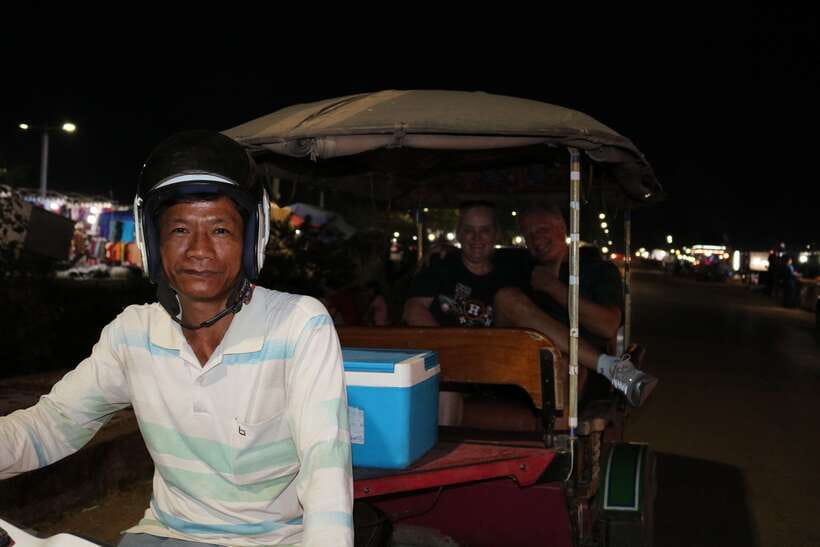
This tour takes you away from that polished center by remok, the Cambodian form of tuk-tuk used for short city rides. The trip itself matters. You pass from the areas built around temples and tourism into places where people shop for household food, gather for an evening meal, and spend time with family.
You will not simply be dropped at a restaurant and handed a menu. An English-speaking guide helps you decide what to try, explains ingredients, and gives context about Cambodian eating habits. Guides named Chaay, Pheng, Sokpee, Sok, and Nil have led this experience, although your guide depends on the date and assignment.
The tone is informal. You can ask questions while walking through market lanes or sitting at a food stall. That makes the evening useful for a first visit, especially if you would otherwise hesitate to order unfamiliar dishes on your own.
Other Siem Reap experiences to weigh up
- Siem Reap: Apsara Show Including Dinner & Hotel Pickup
4.6 · 615 reviews - Siem Reap: Apsara Dance Show and Dinner with Hotel Pickup
4.6 · 425 reviews - Sunset Dinner Tour: Tonle Sap Lake Floating Village
4.2 · 347 reviews
The first stop, a local fruit market
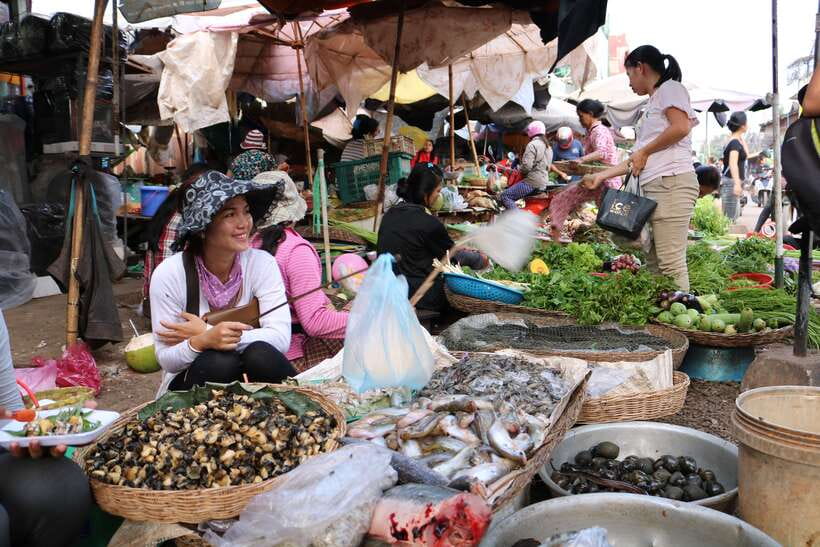
The evening generally begins at a local market outside the most visited part of Siem Reap. This is one of the strongest parts of the outing because you get to see food shopping as an ordinary local activity rather than as a staged display.
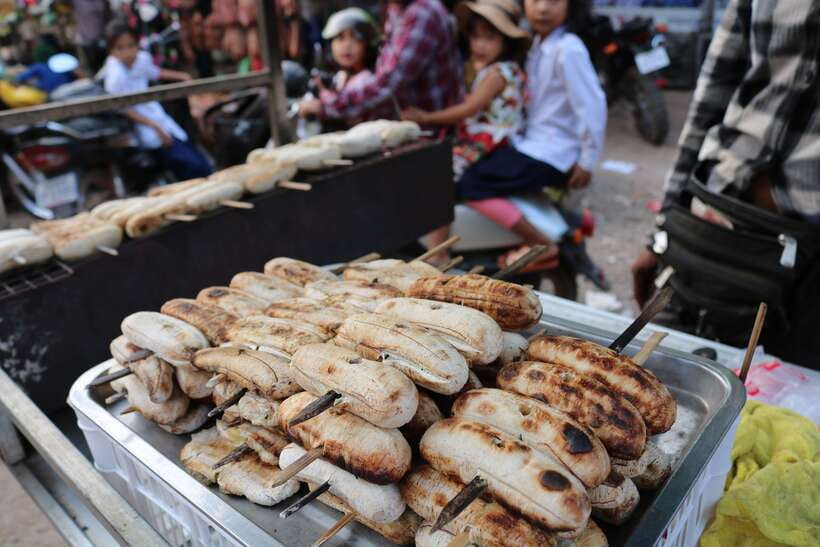
The market can be crowded, narrow, and full of competing smells. You may see piles of tropical fruit, vegetables, cooked food, seafood, meat, and packaged snacks. The point is not to rush through taking photographs. It is to notice what people buy, how food is displayed, and how Cambodian meals begin with market shopping.
Your guide helps with fruit testing and explains what you are looking at. This is important because some produce may be familiar while other items are not. You can taste as you go instead of guessing from appearance alone.
One practical note: wear comfortable shoes. Market floors and alleyways are not designed for sightseeing, and you may spend much of the first part walking or standing. The tour is not suitable for wheelchair users, so anyone with mobility concerns should take that seriously before booking.
Alleyways, local goods, and an unexpected shopping stop
The route can include an additional shop run by a Japanese owner, selling Cambodian-made foods, spirits, and other local goods. If you dislike forced shopping stops, this part deserves a little explanation.
It is not described as a required purchase stop, and the goods can be useful if you want edible souvenirs or small gifts. You might find locally made products that are easier to carry home than fresh market food. Still, the appeal depends on your interests. If you want only street eating, this stop may feel less exciting than the markets.
The benefit is that it gives you another view of Cambodian food culture. A market shows daily ingredients and prepared food. A shop like this shows how local flavors are packaged, presented, and sold as gifts. I would treat it as a short optional-feeling pause rather than the main event.
The night market after dark
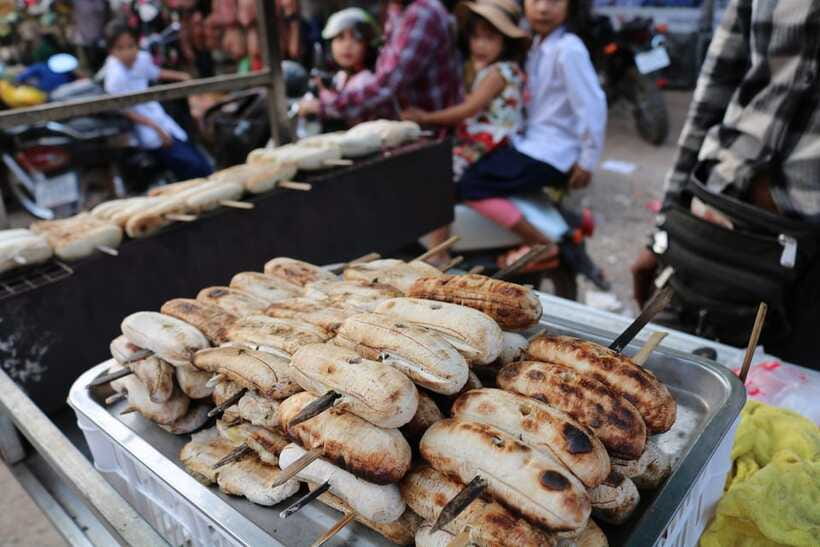
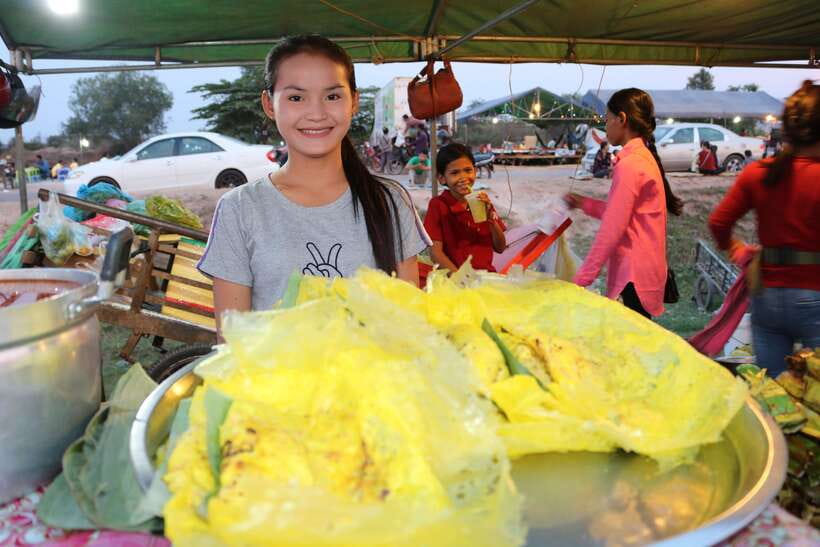
The evening then moves toward Siem Reap’s night market, where bright lights and food stalls change the mood. This is the most familiar setting on the route, but it still works well as part of a larger food tour.
Here, you may encounter the famous fried-insect displays. The selection can include crickets, worms, grasshoppers, beetles, red ants, spiders, and small frogs. The guide can help you choose and buy items as you go, rather than relying on one fixed tasting plate.
That flexibility is useful. You can test one item, decide it is enough, and focus on other snacks. Or you can treat the stall as Cambodia’s own fear-factor challenge and work through several choices. The experience is less about proving bravery than understanding that insects are sold and eaten as ordinary snack food.
The flavors and textures vary. Fried insects are often crisp, salty, and seasoned, though the exact preparation depends on the stall. You should expect small portions, but several tastings add up quickly. If you have a strong aversion to insects, tell your guide early and focus on fruit, sweets, and cooked dishes instead.
The food is not the only reason to stop here. The lights, sounds, and informal picnic atmosphere show how Siem Reap residents spend an evening outside the restaurant district. You are seeing a social food space, not merely a row of stalls.
A different pace for your next Siem Reap morning:
- Angkor Wat Sunrise or Sunset Tour with Guide from Siem Reap
5.0 · 12,109 reviews - Siem Reap: Angkor Wat: Small-Group Sunrise or Sunset Tour
5.0 · 9,444 reviews - From Siem Reap: Kampong Phluk Floating Village Tour by Boat
4.9 · 6,979 reviews - Sunset tour of Kampong Phluk stilts home village on the Tonle Sap
5.0 · 4,865 reviews
Siem Reap’s large local picnic spot
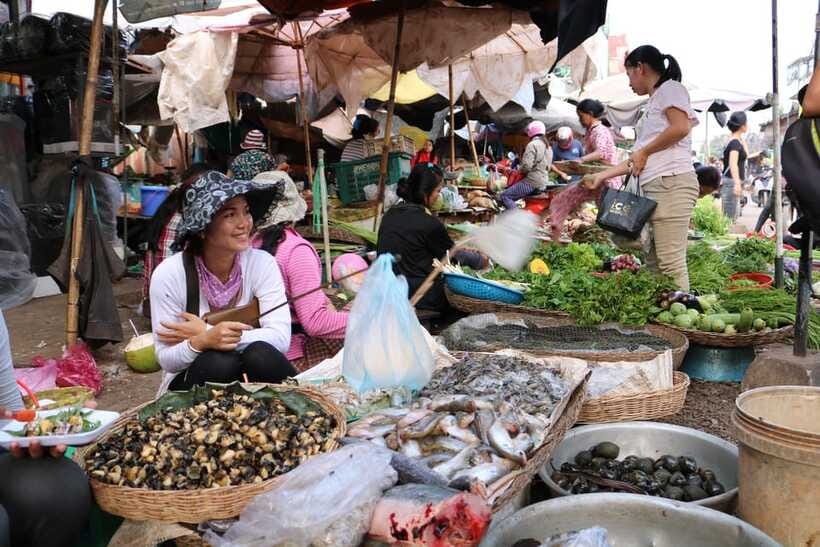
One highlight is a local picnic area described as Siem Reap’s largest local picnic spot. This is where the tour shifts from sampling as you walk to watching people gather around food.
The setting gives you a feel for the communal side of Cambodian dining. Food is shared, several dishes may sit in the middle of the table, and eating is often a social event rather than a quick individual stop. Your guide can point out Cambodian favorites and explain how the dishes fit into local meals.
This stop also helps put the street snacks in context. Fried insects may attract attention because they are unusual to many visitors, but they are only one small part of the food on offer. You may also find grilled items, noodles, rice dishes, fruit, sweets, and other snacks. The exact selection can vary by evening and by what vendors are serving.
Do not arrive hungry enough to be impatient. The tour is designed around many small tastings, and you will want room for the later meal. At the same time, do not expect tiny samples only. The food is generous enough that several people have finished the evening with very full stomachs.
From snacks to a proper Khmer dinner
After the market tastings, the route ends at a local restaurant for dinner. This is a welcome change of pace. By this point you have sampled individual bites, unusual snacks, and street dishes. Sitting down lets you compare those quick tastes with a more complete Khmer meal.
Dishes can include sour soup and lok lak. Lok lak is a familiar Cambodian favorite built around seasoned beef, usually served with rice and a dipping sauce, though the exact preparation can vary. Sour soup brings a sharper, lighter flavor after the fried and grilled foods from earlier.
The dinner helps make the price easier to judge. You are not paying only for a guide who points at food stalls. The package includes the evening meal, snacks, fruit tasting, local transport, and one bottle of local beer or a soft drink. Personal expenses are separate, so any extra purchases remain your responsibility.
I would still compare the $69 price carefully. The listed rate is shown as $69 per group up to one person, which is an unusual way to display a price. Check the total for your actual booking party before paying. For a solo visitor, the value is strong if you want hotel transport, guided market access, and a full dinner without arranging separate tuk-tuk rides and food orders.
For a larger group, ask how the group pricing is calculated. The supplied details do not give a full per-person breakdown. The tour becomes more useful when you value the guide’s explanations and the access to local areas, not simply the cost of individual dishes.
What makes the guiding useful
Food tours succeed or fail on the guide. Here, the guide is not just a driver or someone who names dishes. The strongest part of the experience is the personal help at each stop.
Chaay has been praised for clear English, humor, and friendly advice about what to taste. Pheng has explained the market, local lifestyle, buildings, and Cambodian history while leading visitors through places with almost no foreign tourists. Sokpee has combined market visits with relaxed conversation about culture and food. Sok and Nil have also led enjoyable, educational evenings.
Guide assignments vary, so you should not book expecting one particular person unless the operator confirms it. Still, these names give you a sense of the style. The guide is expected to be personable, conversational, and willing to stop at a stall when you want to try something rather than following a rigid tasting script.
That last point matters. One evening may include five main stops, but the food purchased along the way is not always a fixed preselected menu. If something catches your eye, the guide can help you decide if it is worth trying and arrange the purchase. This gives the night a more natural feel.
Khmer food in its wider setting
Cambodian cuisine has developed over at least 3,000 years and has absorbed influences from Thailand, Vietnam, China, and France. That does not mean every Cambodian dish tastes like a blend of those cuisines. It means the food has a long history of borrowing techniques and ingredients while developing its own character.
A guided tasting helps you notice those differences. You can compare fresh fruit with salty fried snacks, sweet desserts with sour soup, and grilled street food with a restaurant dish. The range is more revealing than eating one famous Cambodian specialty in isolation.
The tour is also a useful introduction to the balance of textures in Cambodian food. Crisp insects, soft fruit, chewy snacks, brothy soup, and seasoned meat can all appear in one evening. You may not love every item, but you will leave with a better idea of what to look for on later meals.
Dessert is part of the experience too. The supplied details do not promise a specific sweet, so do not arrive expecting one named dish. You can expect Khmer dessert tasting as part of the food progression, with the exact item depending on the market and evening.
How much food should you expect?
Plan on eating substantially. The evening includes fruit, snacks, street food, several Cambodian dishes, dessert, and a restaurant dinner. One well-fed itinerary has included five or six different Cambodian dishes before the final meal.
This is not the best choice if you want a light snack and a single cocktail. It suits you better if you enjoy tasting many things and are willing to pace yourself. Take small portions where possible, and do not feel obliged to finish every unusual item.
The insect tasting deserves its own expectation check. Fried crickets and grasshoppers may be easy for some people, while spiders, ants, worms, beetles, or frogs can be a harder test. You can join the fun without forcing yourself through every option.
Bring comfortable shoes and clothing suited to a warm evening. The tour includes walking through markets and alleyways, standing at stalls, riding by remok, and sitting down for dinner. The supplied information does not specify dietary options, so contact the provider before booking if you have allergies or strict food restrictions.
Time, transport, and hotel pickup
The full experience lasts about three and a half hours. That is long enough to visit several areas without taking over your entire evening. Hotel pickup and drop-off are included for hotels in Siem Reap city.
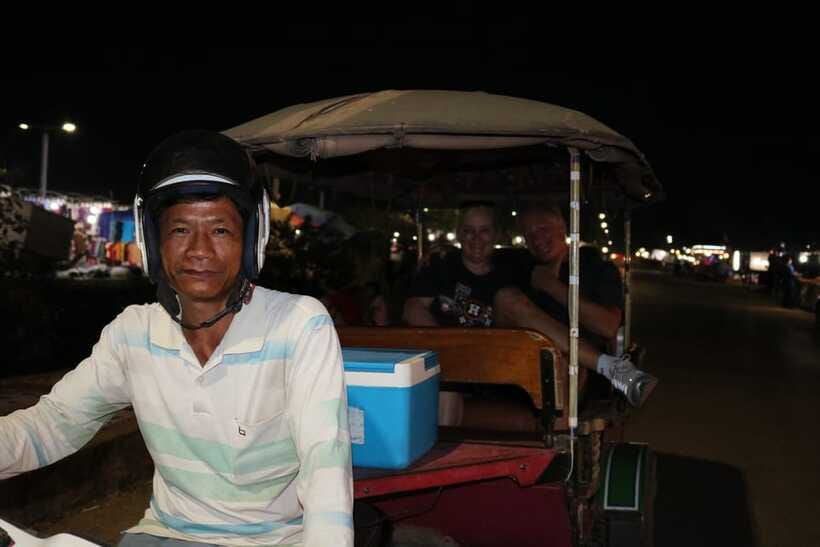
Local transport is by remok. This is more than a practical connection between stops. You get an open-sided ride through the evening streets and a sense of how locals move around town. It also means the tour is less tiring than walking between widely separated markets.
Starting times vary, so check availability for your date. The itinerary is built around the evening, night market lights, and after-dark food stalls. A late afternoon or early evening departure should give you the right transition from market shopping to night eating, but confirm the exact start time when booking.
The tour includes skip-the-ticket-line access, though this is not a ticketed attraction in the usual sense. The main value remains the guide and transport rather than queue avoidance.
Who should book this food tour?
I would recommend it to first-time visitors who want a quick introduction to Cambodian food and local life. It is also a good fit if you are curious about markets but would feel unsure ordering alone.
Food-focused couples, friends, and adventurous solo visitors should get the most from it. The casual conversation and shared tastings make it easy to ask questions without turning the evening into a formal class.
Families need to judge the insect challenge and market walking for themselves. The tour could be fun for older children who enjoy trying unusual foods, but the supplied information does not specify a child age policy, child pricing, or special arrangements.
I would be more cautious if you use a wheelchair, need confirmed dietary accommodations, dislike crowded markets, or want a quiet fine-dining evening. The experience is active, informal, and built around local food stalls. That is exactly its strength, but it will not suit every style of night out.
Booking details worth checking first
The tour costs $69 per group up to one person according to the supplied price information. Because that wording can be confusing, confirm the final cost for your party before booking.
Hotel pickup and drop-off apply within Siem Reap city. The guide speaks English, and local transport, fruit and snack tastings, dinner, and one local beer or soft drink are included. Personal spending is not included, so carry some money if you want extra snacks, drinks, or gifts from the Cambodian goods shop.
You can cancel up to 24 hours before the experience for a full refund, and the reserve-now, pay-later option lets you hold a place without paying immediately. Those terms are helpful if your Siem Reap schedule depends on temple visits, weather, or transport.
Should you book Twilight Tastes of Siem Reap?
Book it if your idea of a good evening includes local markets, a tuk-tuk ride, plenty of food, and a few culinary challenges. The best reason to choose it is the combination of access and guidance. You are not left to guess which market lane to enter or which unfamiliar snack to buy.
Skip it if you want a short tasting menu, a predictable list of dishes, or a polished restaurant-only meal. The night can be filling, informal, and a little chaotic, with food choices shaped by what is available at the stalls.
For most curious first-time visitors, the package offers a useful introduction to Siem Reap beyond the central tourist streets. Pace yourself, wear good shoes, and keep an open mind about the insects. The dinner at the end gives the adventure a satisfying finish.
FAQ
How long does the Siem Reap food tour last?
The experience lasts approximately 3.5 hours.
What food is included?
The tour includes fruit and snack tastings, street food, Khmer cuisine, dessert, and dinner at a local restaurant. Dinner can include dishes such as sour soup and lok lak.
Will I have to eat insects?
The tour includes the chance to try fried crickets, red ants, spiders, worms, grasshoppers, beetles, and small frogs. You can decide how far you want to go with the tasting.
Is hotel pickup included?
Yes. Pickup and drop-off are included for hotels in Siem Reap city.
What transport is used between markets?
You travel between stops by local tuk-tuk, also called a remok.
Is the tour suitable for wheelchair users?
No. The experience is not suitable for wheelchair users. Comfortable shoes are recommended.
Fresh reviews from around Siem Reap
- Full-Day Tour Preah Vihea & Koh Ker Temple 3.7 · 3 reviews
- Savor the Countryside: Tours with Authentic Cooking Classes” 5.0 · 3 reviews
- Angkor Grand Circuit Tour & Banteay Srei 5.0 · 3 reviews
- Guided Private Tuk Tuk Tour Angkor Wat and Small Circle and Five Extras 5.0 · 3 reviews
- Angkor Wat Sunrise TukTuk Tour 5.0 · 3 reviews
- Siem Reap Temple Tour 2-Day with Sunrise/Sunset 3.7 · 3 reviews
- Bangkok to Angkor Wat 2 Days 1 Night by Flight 4.5 · 3 reviews
- Kompong Pluk Tour 5.0 · 3 reviews
Dining Experiences, compared.

Apsara Dance Performance – Including Buffet Dinner & Hotel Pickup
Read our review →
Sunset Dinner and drinks includes a Floating Village cruise tour.
Read our review →Browse the lists this tour appears in