
Reviewed · WAR HISTORY & MEMORIAL SITES
Siem Reap: Khmer Rogue, War museum &landmine museum Day Tour
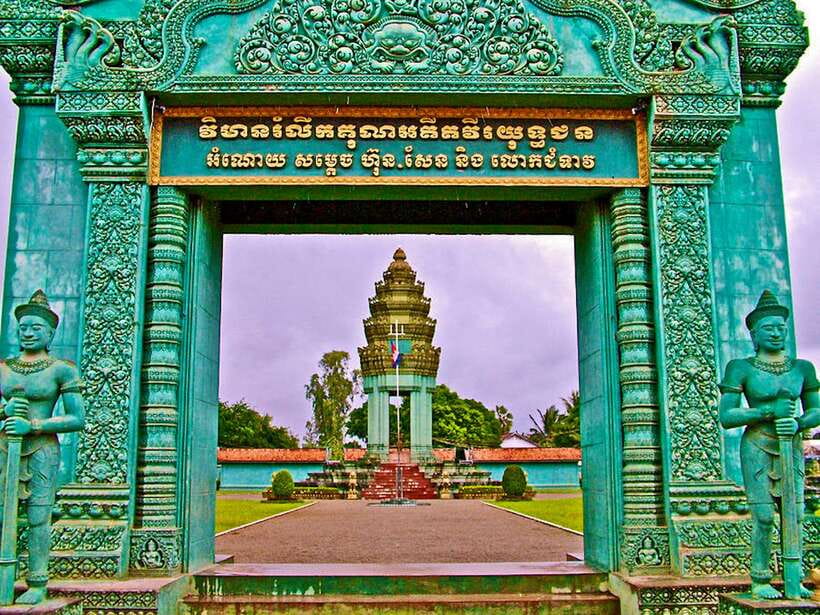
Cambodia’s past is not tucked away in a textbook. Around Siem Reap, it appears in memorial grounds, rusting weapons, and thousands of landmines removed from the countryside. This full-day tour takes you to Wat Thmei Killing Fields, the Cambodia Landmine Museum, and War Museum Cambodia, giving you a sobering look at the Khmer Rouge period, the wars that followed, and the country’s long road toward recovery.
I like two things here. First, the three stops cover different parts of the story: a memorial site, a landmine collection created by a former child soldier, and a museum filled with weapons gathered from former battle areas. Second, the guide gives the day shape and context. Guides including Mr. Sok Vuthy and Buth Veasna have been praised for their clear, passionate explanations.
The main drawback is the subject matter. This is a heavy eight hours, not a light sightseeing day, and the drives between stops can take time. You will also need to buy your own food and soft drinks, so plan ahead.
In This Review
- Key points to know before you book
- Why this eight-hour tour matters in Siem Reap
- Hotel pickup and the road out of Siem Reap
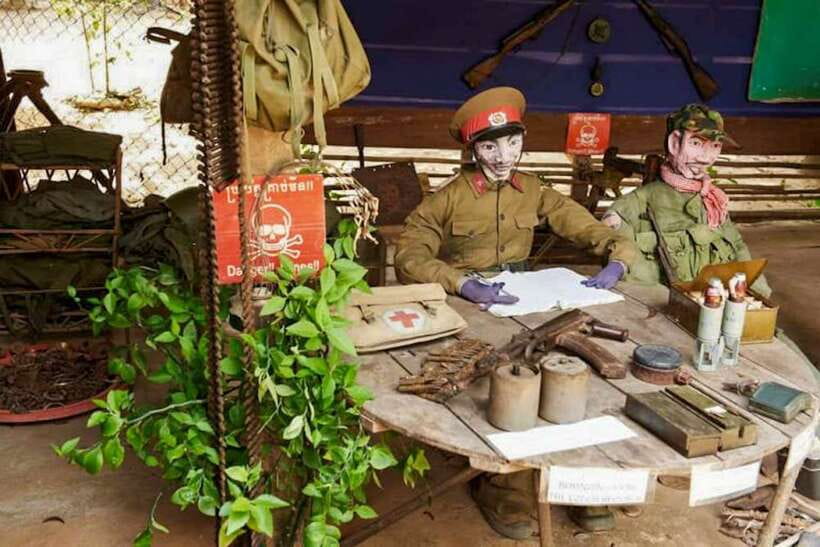
- Cambodia Landmine Museum: weapons that still affect daily life
- War Museum Cambodia and its battlefield collection
- Wat Thmei Killing Fields: the day’s most difficult stop
- The guide makes the difference
- Is $78 a fair price?
- Who will get the most from this tour?
- Practical advice for a respectful visit
- Should you book it?
- FAQ
- Where does the tour start and finish?
- How long does the experience last?
- Which places does the tour visit?
- Is hotel pickup included?
- Is a guide included?
- Are admission fees included?
- Is food included?
- Can I cancel the booking?
Key points to know before you book
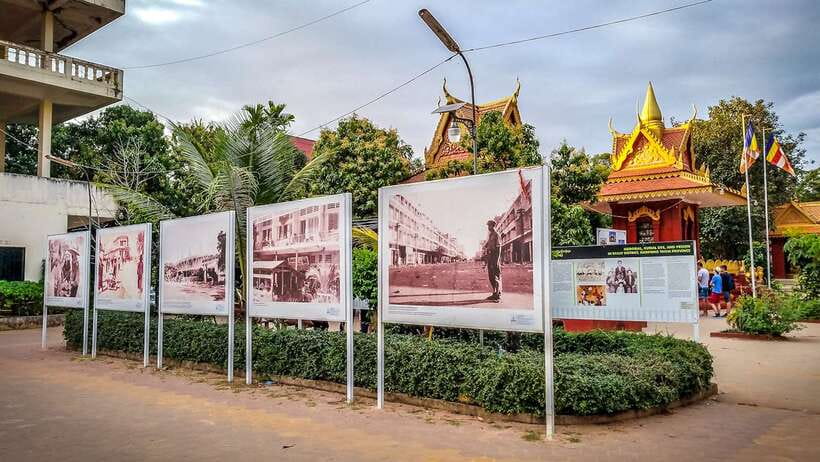
- Three very different sites: Visit Wat Thmei, the Cambodia Landmine Museum, and War Museum Cambodia in one organized day.
- A serious look at recent history: Learn about the Khmer Rouge, later fighting, landmines, and Cambodia’s recovery.
- Strong guide-led experience: English-speaking guides such as Sok Vuthy and Buth Veasna help explain difficult subjects in a clear way.
- Long but practical schedule: The tour lasts eight hours and includes transport from and back to your Siem Reap hotel.
- Useful inclusions: Museum entries, cold water, and a wet towel are covered in the $78 price.
- Prepare for an emotional day: Wat Thmei in particular is a place for quiet attention, not quick holiday photos.
Why this eight-hour tour matters in Siem Reap
Many people come to Siem Reap for Angkor’s temples and spend little time thinking about Cambodia’s modern past. That is understandable, but it leaves out a crucial part of the country’s story. The Khmer Rouge period, the fighting that continued after it, and the danger left behind by unexploded weapons still shape Cambodian families and communities.
This tour makes that subject easier to approach in one day. You move from a site connected to loss, to a museum focused on landmines, to a collection of military equipment and battlefield objects. The order gives you several ways to understand the damage caused by conflict rather than presenting only dates and political names.
I appreciate that the experience does not treat war as an abstract subject. At the Landmine Museum, you see the physical remains of conflict. At Wat Thmei, you confront the human cost. At the War Museum, weapons and equipment help explain how prolonged fighting affected the country.
The day is educational, but it is not designed as entertainment. You should book it because you want to listen, ask questions, and make room for difficult material. If you are looking only for a relaxed break between temple visits, this will feel demanding.
Related visits to Cambodian war museums and memorials:
- Bantey Srei, Kbal Spean and Landmine museum Private Tuk-Tuk
4.7 · 30 reviews - Siem Reap City Tour with War Museum and Killing Field
5.0 · 27 reviews - War Museum, Killing Field and Floating village ( Chong Kneas) Tour
5.0 · 14 reviews
Hotel pickup and the road out of Siem Reap
Your guide collects you from your hotel in Siem Reap and takes you by minivan. The schedule includes several stretches in the vehicle, including about an hour before the War Museum, another hour after it, and a shorter return drive after Wat Thmei.
Those transfers are not wasted, but they do affect the rhythm. You will spend a good part of the day seated, so this is best viewed as a guided regional outing rather than three attractions packed close together. The vehicle also gives you time to absorb what you have seen before the next stop.
Wait in your hotel lobby 20 minutes before the scheduled pickup. The tour includes hotel drop-off at the end, cold water, and a wet towel. Those small comforts matter in Cambodia’s heat, especially after walking through outdoor museum grounds.
The provided information does not specify the group size or the exact vehicle setup beyond a minivan. If you prefer a private visit or need particular transport arrangements, check those details before booking.
Cambodia Landmine Museum: weapons that still affect daily life
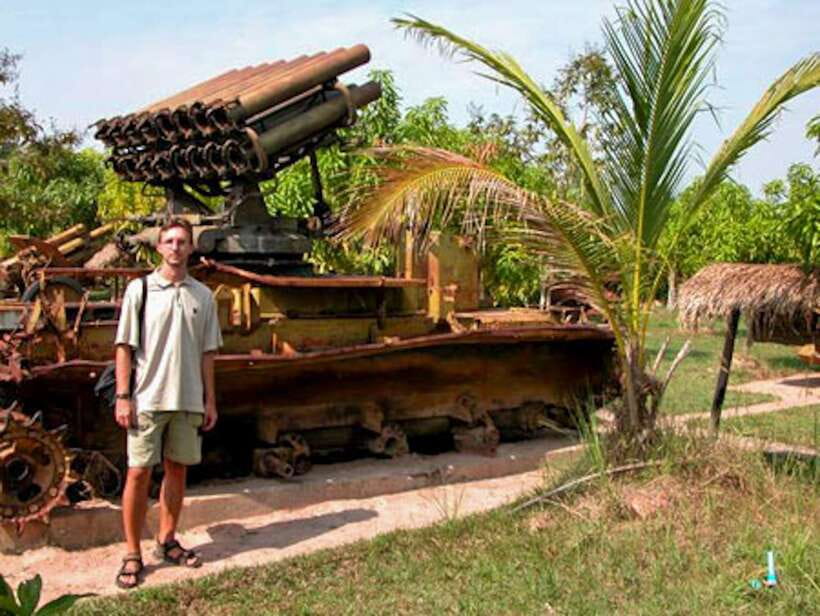
The Cambodia Landmine Museum receives about an hour and a half, including a guided visit and time to walk through the collection. It was established by a former child soldier and contains thousands of decommissioned landmines and other weapons of war.
That origin gives the museum a personal connection to the subject. You are not simply looking at old military hardware. The displays point to the way war continues after the shooting stops, particularly when mines remain in the ground and threaten people long afterward.
The museum also explains the effort to remove landmines and the ways people can support the work of clearing these dangerous remnants. That practical focus is important. It moves the visit beyond sorrow and toward the question of what recovery requires.
You should expect a serious educational stop rather than a polished, high-tech museum. The collection itself is the focus. A guide helps you understand what you are seeing, why the objects matter, and how landmines fit into Cambodia’s wider conflict story.
The 90-minute visit is a useful length. It gives you time to hear the explanation and look around without making the museum feel like a rushed photo stop. Flash photography is not allowed, so keep your camera use respectful and follow the rules on site.
War Museum Cambodia and its battlefield collection
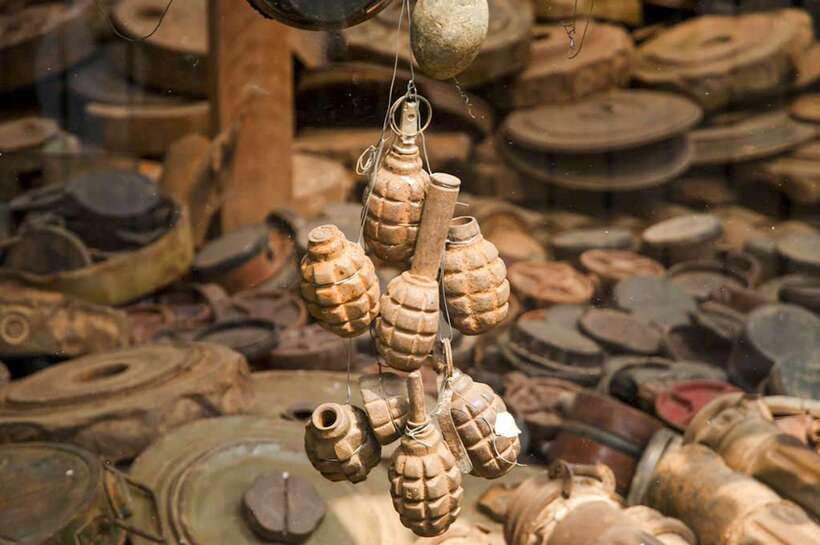
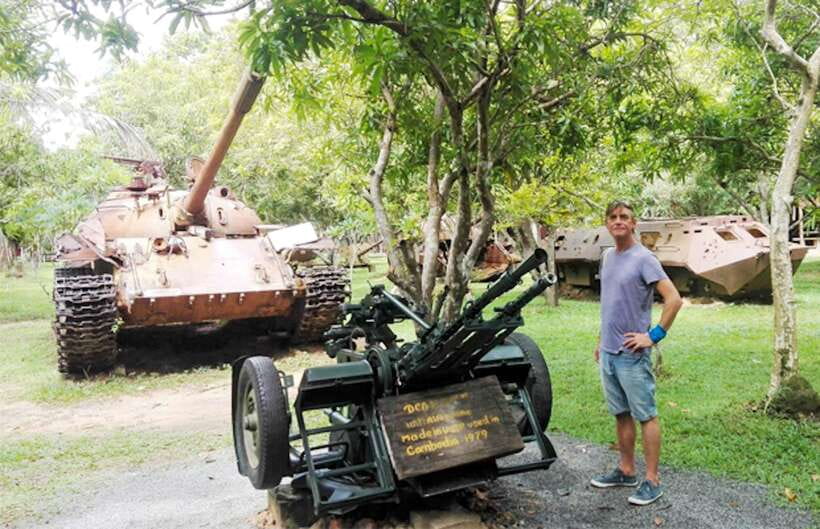
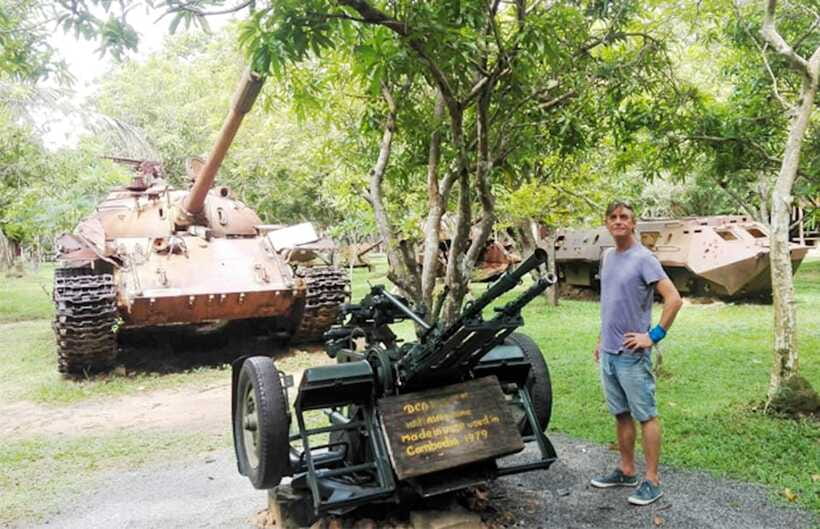
After the first museum, you continue to War Museum Cambodia for another guided visit lasting about an hour and a half. The collection has been assembled and expanded since 1999, with weapons and military objects gathered from areas where fighting took place, including Anlong Veng, Siem Reap, and Odor Meangchey.
This stop adds military context to the landmine museum. Instead of focusing mainly on one type of weapon, it presents a wider collection connected with Cambodia’s long and complicated conflict. You learn about the objects while considering the forces and fighting that brought them into the country.
I find this kind of collection useful because it makes the scale of the conflict easier to grasp. Equipment can show how wars were fought, but the guide’s explanation is what connects those objects to Cambodia’s people and political upheaval. That is why the quality of your guide matters so much on this tour.
Buth Veasna is one guide associated with this experience, and the feedback highlights his strong command of the subject and his passion when explaining it. Mr. Sok Vuthy is also praised for making the day enjoyable through his experience and clear instruction. You cannot select a particular guide unless the operator confirms that in advance, but the named guides give you an idea of the standard to hope for.
Expect to walk as you inspect the collection. The museum visit is not just a drive-by photo opportunity, and you should allow time to listen. The subject can feel dense, so do not worry if you leave with a few questions. A good guide can help you place the individual objects within the broader story.
More museums and galleries in Siem Reap:
- Private Tour: HERO Rats & Angkor National Museum
4.5 · 16 reviews - Kbal Spean Trekking Tour with Banteay Srei and Landmine Museum
5.0 · 14 reviews - Siem Reap: War Museum included Ticket and Pickup Drop Off
4.9 · 12 reviews - Bantreay Srei , Kbal Spean and Landmine Museum with Tuk Tuk
4.4 · 9 reviews
Wat Thmei Killing Fields: the day’s most difficult stop
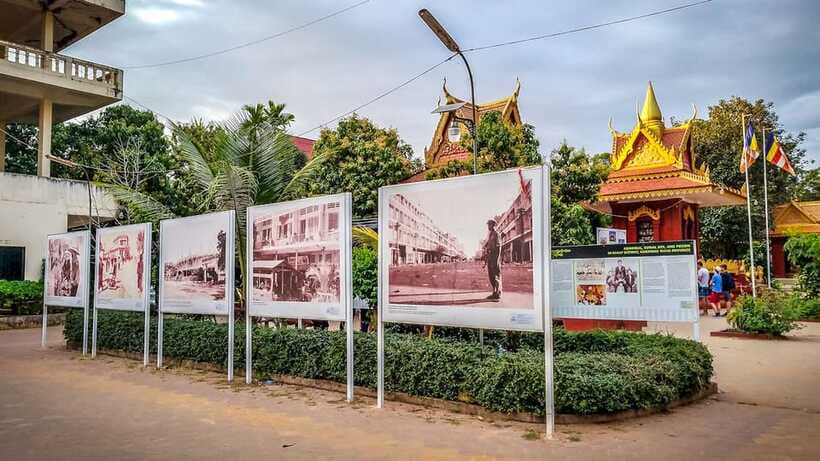
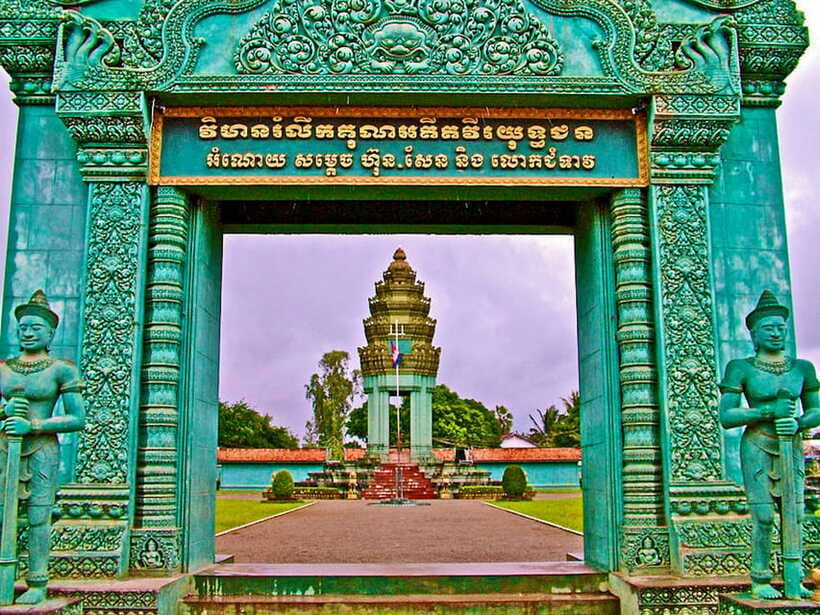
Wat Thmei receives roughly two hours, making it the longest sightseeing stop. You visit the temple area, walk through the site, and hear about its connection to the Khmer Rouge period.
Like other killing-field memorials and former Khmer Rouge prison sites, Wat Thmei is a painful place. The value of the visit comes from facing that reality with care. You are not there to collect dramatic images. You are there to understand the scale of the suffering and to remember the people affected.
The longer time here is appropriate. A quick stop would make the site feel like one more item on a checklist, while two hours allows space for the guide’s explanation and for your own quiet reflection. The emotional weight may also take time to register, especially after the museums have already introduced the subject.
The tour description presents Wat Thmei as both sad and educational. That balance is worth keeping in mind. Cambodia’s past cannot be reduced to misery alone, because the country and its people also survived, rebuilt, and continue looking forward. Still, you should not expect the guide to soften the facts simply to make the day easier.
Dress and behave respectfully at the site. Flash photography is prohibited, and even where photography is permitted, your attention should come before your camera. If you know that memorial sites are particularly difficult for you, consider how much emotional energy you want to give this day.
The guide makes the difference
This tour covers serious material that can be confusing without background. Cambodia’s conflict history includes the Khmer Rouge period, later warfare, landmines, and the continuing work of recovery. The guide’s job is not just to identify objects, but to connect the stops.
The strongest praise attached to the experience centers on the guides. Mr. Sok Vuthy is described as experienced and able to make the trip enjoyable. Buth Veasna is praised for his command of the subject and his passion. Another direct assessment calls the day interesting and informative because of the guide.
Those comments matter because the museums contain collections that could otherwise feel disconnected. A landmine, rifle, vehicle, or other military object tells only part of the story. A guide can explain how each stop relates to the next and help you understand why recovery is still an important part of Cambodia’s modern story.
The language is English. If you have a particular interest, such as mine clearance, the Khmer Rouge, or the later fighting, prepare a few questions in advance. The available information does not promise a specialist lecture, but an engaged guide can make the day much more useful than simply walking around alone.
Is $78 a fair price?
At $78 per person, this is not the cheapest way to spend a day around Siem Reap. The price needs to be judged against what is included: hotel pickup and drop-off, a guide, entry to all three museums or sites, cold water, a wet towel, and transportation for an eight-hour outing.
If you visited independently, you would still need to arrange transport between widely separated stops, pay entry fees, and find someone to explain the historical connections. The guided format saves you that planning work and gives the day a clear purpose.
The value is strongest for you if you want context. Someone who only wants to see the sites and leave may find the price harder to justify. Someone who wants to understand Cambodia’s recent past, avoid arranging several rides, and have an English-speaking guide has more reason to consider it worthwhile.
Food and soft drinks are not included. Bring money for those expenses, and remember that the tour is long. The included water helps, but it does not replace lunch or other refreshments.
There are also flexible booking terms. You can cancel up to 24 hours in advance for a full refund, and the reserve-now, pay-later option lets you hold a place without paying immediately. These policies are useful if your Siem Reap plans are still shifting.
Who will get the most from this tour?
I would recommend this experience to you if you want a focused introduction to Cambodia’s war history and prefer having a guide explain difficult subjects. It is especially suitable for first-time visitors who have seen the ancient temples but want to understand more about modern Cambodia.
It also works well for people who value practical transport. The three sites are handled in one day, with pickup and return to your hotel. You do not need to negotiate separate rides or work out the order yourself.
This is less suitable if you want a restful day or if your group includes people who may struggle with memorial sites. Wat Thmei is emotionally serious, and the museums deal with weapons, landmines, death, and conflict. Families should decide for themselves if the subject is suitable for children, since the supplied information does not give an age recommendation.
The tour is listed as wheelchair accessible. If you use a wheelchair, confirm the exact vehicle and site arrangements when booking, since the information does not describe the access details at each stop.
Practical advice for a respectful visit
Wear clothing suitable for walking and bring what you need for a full day out. The tour includes a cold bottle of water and a wet towel, but food and soft drinks are your responsibility.
Keep your camera ready for ordinary photography only. Flash photography is not allowed, and Wat Thmei deserves a quiet, respectful approach. Ask your guide before photographing sensitive displays or memorial areas.
Try not to schedule another major activity immediately afterward. The tour returns you to Siem Reap after about eight hours, but the real reason to leave space is emotional rather than logistical. You may want a quiet evening to think about what you have heard.
The drive times are another reason to keep the rest of your day open. The schedule includes about one hour in the vehicle before the War Museum, about one hour afterward, another 45-minute transfer before Wat Thmei, and a final 30-minute ride back. These times make the outing feel like a full day, not a short add-on.
Should you book it?
Book this tour if you want a guided, serious introduction to Cambodia’s Khmer Rouge past, landmine problem, and war legacy. Its best feature is the combination of three contrasting sites, supported by an English-speaking guide who can connect the objects and memorials into one understandable story.
The $78 price is fair when you value transport, admission, and guidance more than the lowest possible cost. I would skip it only if your priority is a relaxed sightseeing day or if you would rather study each site independently. For a thoughtful look at the pain Cambodia endured and the strength it has shown in rebuilding, this is a worthwhile day away from the temple circuit.
FAQ
Where does the tour start and finish?
The tour starts with pickup in Krong Siem Reap and ends with drop-off back in Krong Siem Reap.
How long does the experience last?
The full tour lasts eight hours. Check availability for the specific starting times.
Which places does the tour visit?
You visit the Cambodia Landmine Museum, War Museum Cambodia, and Wat Thmei, also described as a Killing Fields site.
Is hotel pickup included?
Yes. Hotel pickup and drop-off are included. You should wait in your hotel lobby 20 minutes before the scheduled pickup time.
Is a guide included?
Yes. The tour includes a live English-speaking guide. Guides associated with the experience include Mr. Sok Vuthy and Buth Veasna.
Are admission fees included?
Yes. Museum entries are included in the tour price.
Is food included?
No. Food and soft drinks are not included. Cold water and a wet towel are provided.
Can I cancel the booking?
Yes. You can cancel up to 24 hours in advance for a full refund. The reserve-now, pay-later option is also available.
Fresh reviews from around Siem Reap
- Full-Day Tour Preah Vihea & Koh Ker Temple 3.7 · 3 reviews
- Savor the Countryside: Tours with Authentic Cooking Classes” 5.0 · 3 reviews
- Angkor Wat Sunrise TukTuk Tour 5.0 · 3 reviews
- Angkor Grand Circuit Tour & Banteay Srei 5.0 · 3 reviews
- Guided Private Tuk Tuk Tour Angkor Wat and Small Circle and Five Extras 5.0 · 3 reviews
- Siem Reap Temple Tour 2-Day with Sunrise/Sunset 3.7 · 3 reviews
- Bangkok to Angkor Wat 2 Days 1 Night by Flight 4.5 · 3 reviews
- Kompong Pluk Tour 5.0 · 3 reviews