
Reviewed · BENG MEALEA & KOH KER TOURS
Beng Mealea, Koh Ker & Floating village Day Tour
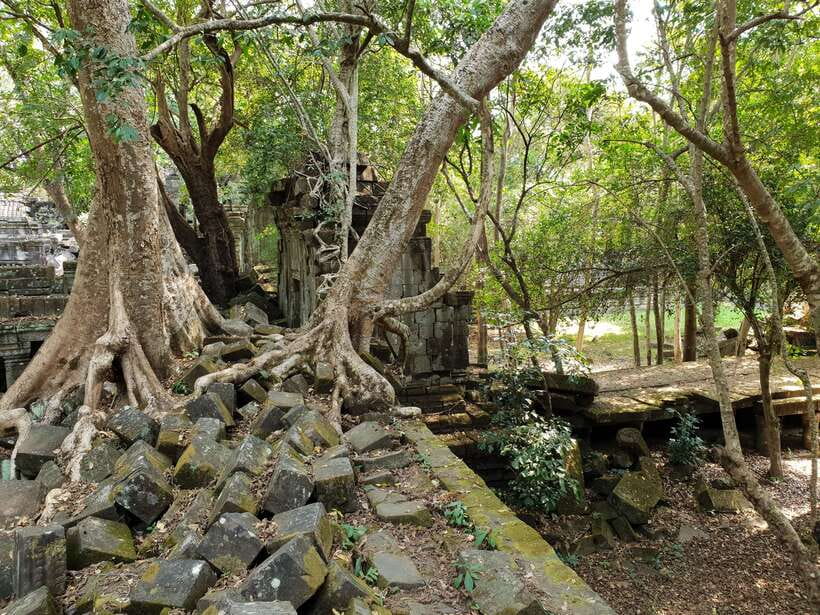
Beng Mealea is the star here: a 12th-century temple where mossy stone, fallen galleries, and giant trees create the feeling of an archaeological adventure. I like the quiet temple setting and the chance to pair major Khmer ruins with a working lake community, rather than spending the whole day at Angkor.
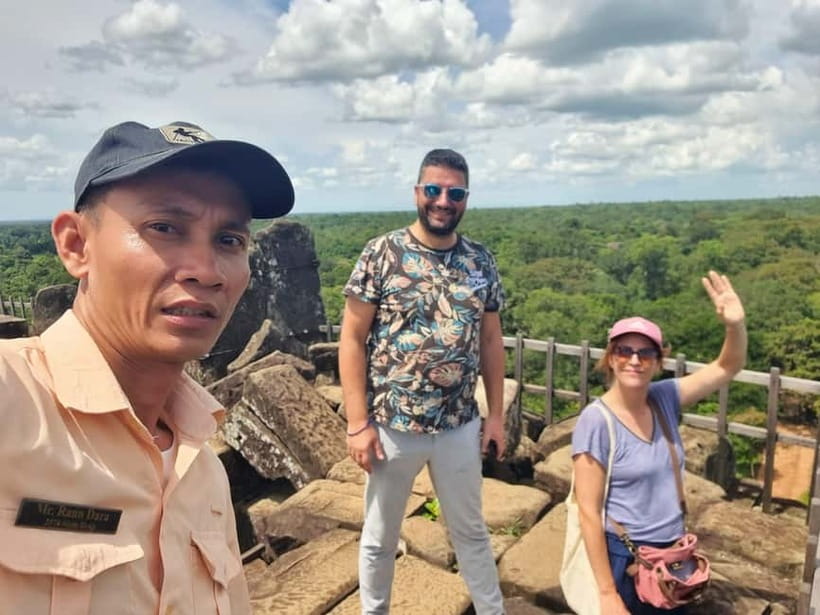
I also like that guides such as Rum Dara and Rann Dara have been praised for explaining both temple history and small details along the road. The drawback is the price of the tickets and lunch, which are not included, and the day is long, with several hours in the vehicle.
In This Review
- Key points at a glance
- Why this day reaches beyond Angkor
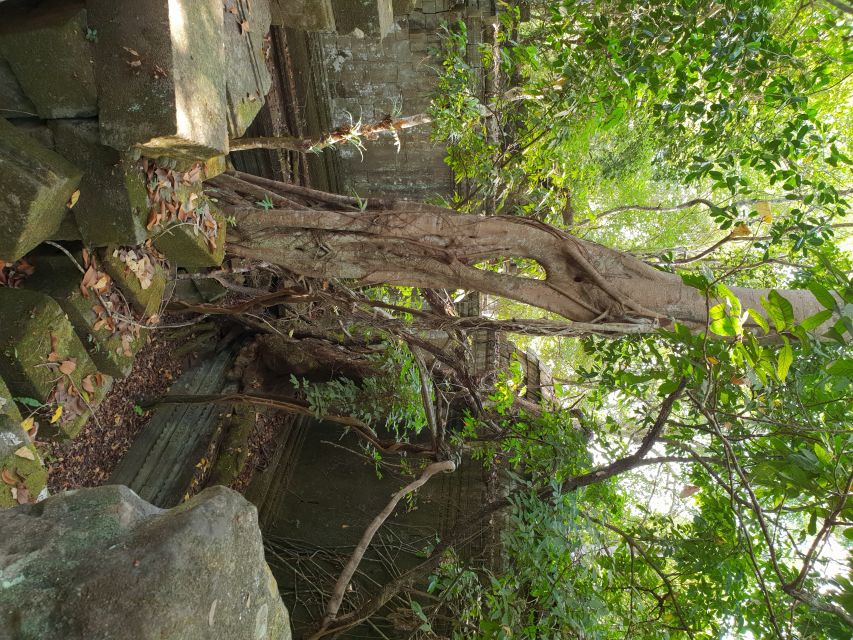
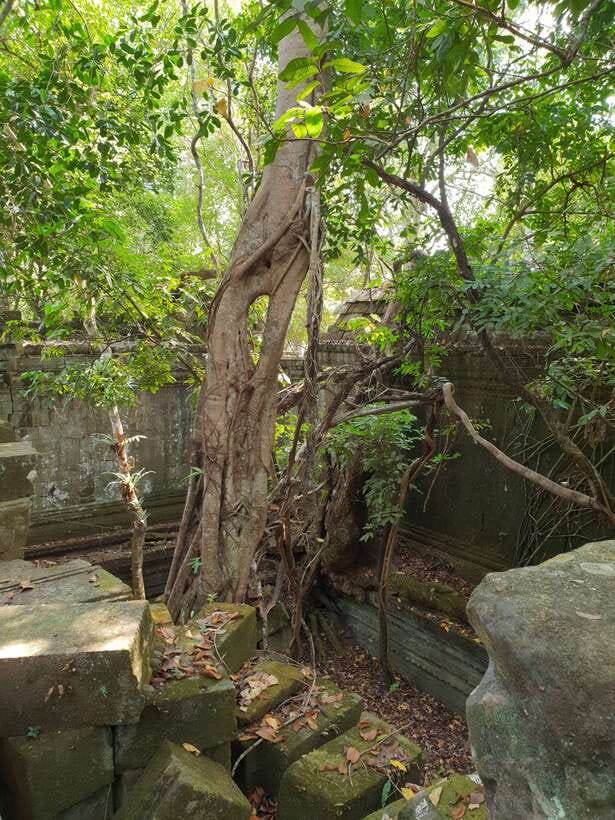
- Beng Mealea, where the forest takes over
- Koh Ker and the climb at Prasat Thom
- What the guides add to the temple stops
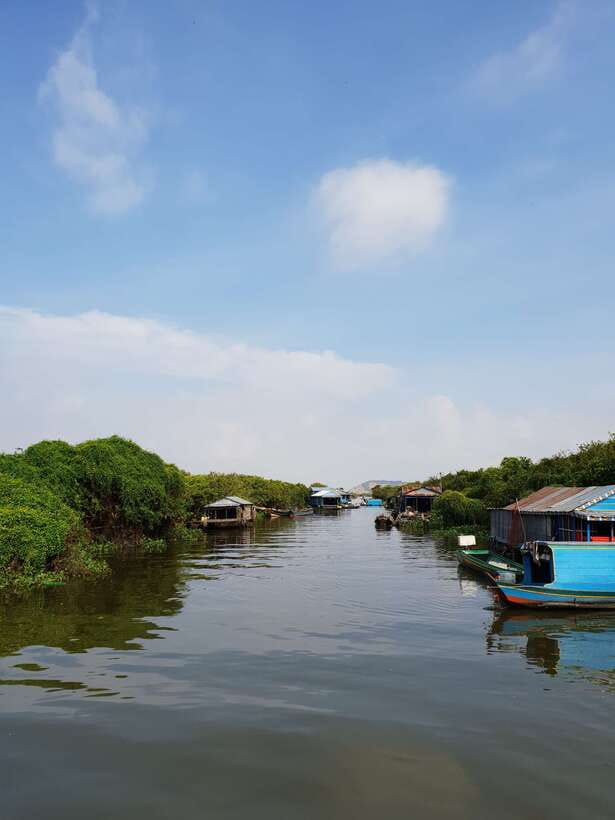
- Kompong Khleang and life on Tonle Sap
- The $65 price and the real cost of the day
- Pickup, packing, and physical demands
- How the day compares with a standard Angkor visit
- Should you book this tour?
- FAQ
- How long does the tour last?
- What places does the tour visit?
- Is hotel pickup included?
- Is a tour guide included?
- Are meals included?
- How much is Koh Ker admission?
- Is the floating village boat fee included?
- What should I bring?
Key points at a glance
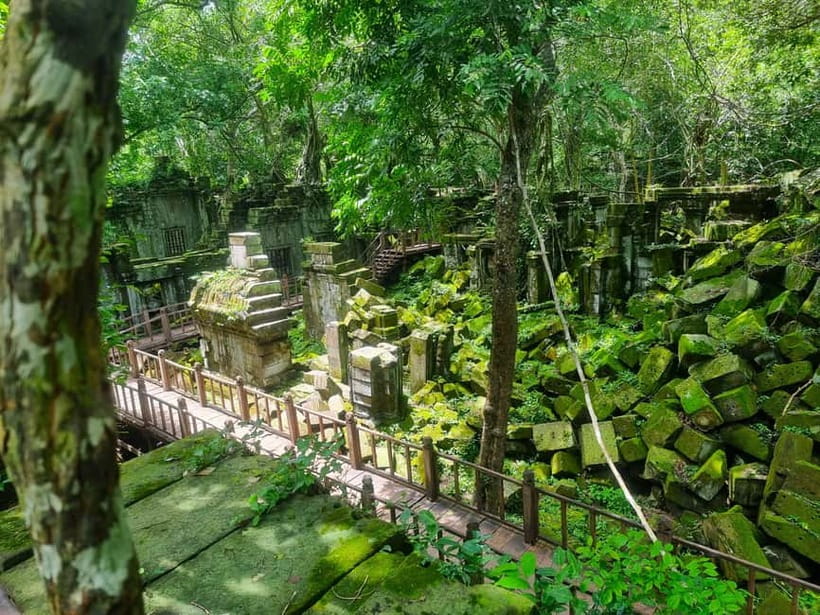
- Beng Mealea’s jungle ruins: Walk among broken towers, moss-covered stones, and galleries partly taken over by trees.
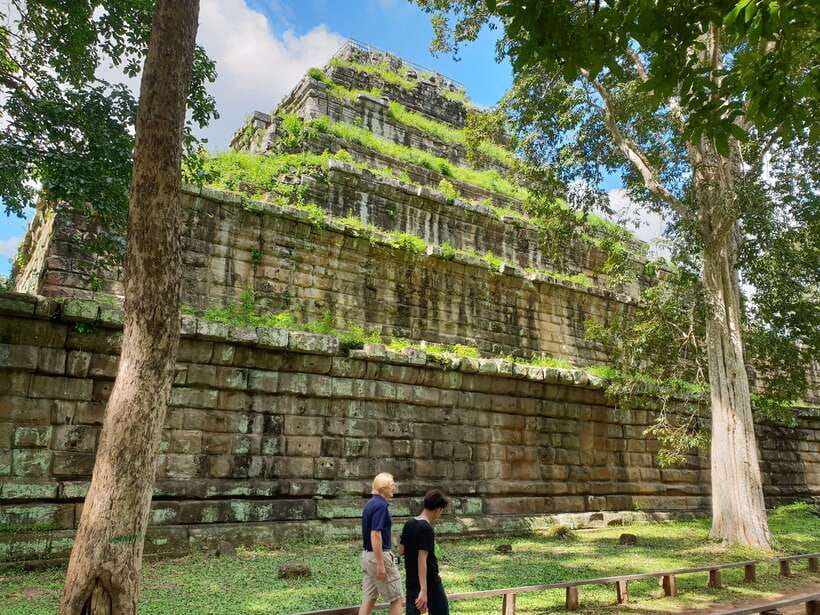
- Prasat Thom at Koh Ker: Climb the seven-tiered pyramid for broad views over the forest and countryside.
- Less-visited temple sites: Koh Ker includes smaller sanctuaries beyond its main pyramid.
- Kompong Khleang by boat: See homes, schools, pagodas, and fishing life shaped by Tonle Sap’s changing water levels.
- A long but varied day: Temple walks, road travel, lunch, and a boat trip fill roughly a full daylight schedule.
- Extra costs matter: The $65 tour price excludes meals, Koh Ker admission, the floating village fee, and Beng Mealea Angkor pass validation.
Why this day reaches beyond Angkor
Siem Reap is best known for Angkor Wat, but Cambodia’s temple story does not stop at the main archaeological park. This outing takes you farther north and east, into quieter areas where the ruins feel less arranged for easy sightseeing.
The appeal is the change of mood. Beng Mealea gives you broken stone and forest. Koh Ker gives you a sharp, towering pyramid and a former imperial capital. Kompong Khleang shifts the focus from kings and temples to families who depend on Tonle Sap Lake.
That variety makes the day useful if you have limited time but want more than one type of Cambodian experience. You get ancient architecture, countryside views, and a boat ride in one package. The tradeoff is simple: this is not a relaxed local outing. With transfers of about 70 minutes, 40 minutes, and 75 minutes, you spend close to three hours on the road before counting pickup and drop-off.
A previous schedule ran from about 8 in the morning to 6:30 in the evening. Treat that as a sensible guide rather than a fixed promise, since departure times and road conditions can affect the day.
More Beng Mealea and Koh Ker trips:
- Siem Reap: Kulen Mountain, Beng Mealea and Tonle Sap Tour
5.0 · 1,483 reviews - Kulen Mountain with Beng Mealea and Tonle Sap Small Group Tour
5.0 · 780 reviews - Koh Ker Temple Group & Beng Mealea Full-Day Join-in Tour
5.0 · 710 reviews
Beng Mealea, where the forest takes over
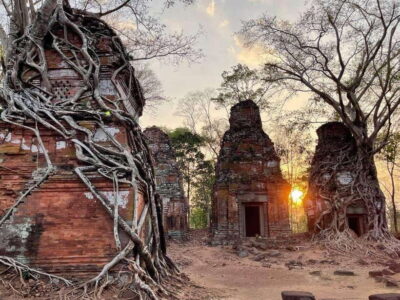
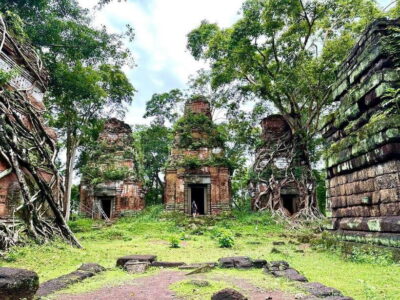
The first major stop is Beng Mealea, reached after about 70 minutes from Siem Reap. This 12th-century sanctuary is often described as an Indiana Jones-style temple, and the comparison makes sense in a practical way: the site is known for fallen blocks, crumbling towers, moss, trees, and narrow passages.
Do not expect a neatly restored complex with every walkway clearly laid out. The charm comes from seeing the temple in a damaged, overgrown state. You may pass through galleries interrupted by piles of stone and pause beside carvings partly shaded by plants.
You have about two hours here, including a guided visit, photo time, and a break. That is enough to see the main remains without rushing every photograph, though anyone fascinated by temple architecture may want even longer.
Your guide can help explain what you are looking at. Without context, Beng Mealea can seem like a beautiful jumble of stone. With an explanation of its design and place in Khmer history, the broken corridors become easier to read.
Wear shoes with a good grip. The ground around old ruins can be uneven, and this tour is not suitable for people with mobility impairments or wheelchair users. Comfortable clothing, sunscreen, insect repellent, and water are sensible choices, especially when the forest feels warm and damp.
Dress respectfully. Beng Mealea is a sacred site, so shoulders and knees should be covered. This is not only a matter of local custom. Modest clothing also works better for a temple visit where you may be stepping over stone and brushing past vegetation.
Koh Ker and the climb at Prasat Thom
After Beng Mealea, the vehicle continues for about 40 minutes to Koh Ker. This was once the capital of the Khmer Empire during the 10th century, and its layout feels different from Angkor. Instead of one famous temple area drawing most attention, Koh Ker spreads its monuments across a forested zone.
Prasat Thom is the main event. Its seven-tiered pyramid rises above the trees and gives the complex a strong visual focus. The climb is the reason many people choose this stop, but it is also the part that demands the most care.
From the top, you can look across the surrounding countryside and forest canopy. The view gives you a better sense of why the temple was built as a monumental statement. It is not just another stone sanctuary at ground level. The pyramid changes your sense of height and distance.
Take the climb slowly and use care on the steps. The tour is not suitable for people with back problems, mobility limitations, or wheelchair users, and anyone uncomfortable with steep temple stairs should consider that before booking.
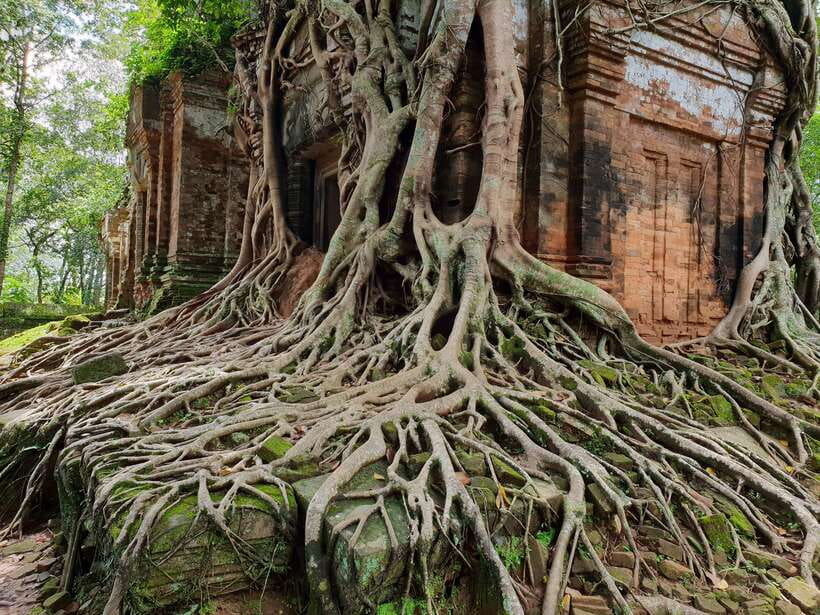
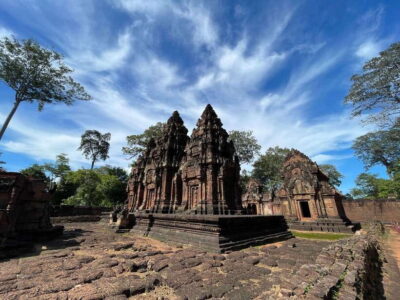
The Koh Ker visit lasts about two and a half hours and includes sightseeing, a guided tour, and time for lunch. Smaller temples scattered around the complex add value here. They are less familiar than the headline sites around Angkor, and you get a better sense of a former capital as a group of connected monuments rather than a single postcard view.
Koh Ker admission costs $15 per adult and is not included in the tour price. Lunch is also extra. A stop at a restaurant is part of the practical rhythm of the day, so bring cash and expect to pay for your meal and drinks yourself.
One useful detail from an earlier outing is that a coconut drink made a welcome break. You may find similar refreshments along the way, but food and drink choices are not specified as part of the package. The included cool bottled water is helpful, but it will not replace lunch on a full day out.
What the guides add to the temple stops
The tour includes a licensed English-speaking guide, and the guide can make a real difference at Beng Mealea and Koh Ker. Names associated with particularly well-received outings include Rum Dara and Rann Dara, although the guide assigned to your booking may be different.
A good guide does more than identify a temple. You can ask about the carvings, construction, the way stones were quarried, and the plants growing around the ruins. One guide was specifically appreciated for explaining how temple stones were extracted from a quarry and for answering questions about plants along the road.
That sort of conversation is one of the better reasons to choose a guided trip instead of arranging transport alone. The drive between sites becomes part of the day rather than dead time. You can ask questions as Cambodia changes from town to countryside and from temple zones to lake communities.
The experience is conducted in English. If temple architecture is your main interest, tell the guide early. If you are more curious about daily life, farming, fishing, or the changing seasons, say so. A tour like this works best when you use the guide rather than simply following behind.
More floating village visits:
- From Siem Reap: Kampong Phluk Floating Village Tour by Boat
4.9 · 6,979 reviews - Sunset tour of Kampong Phluk stilts home village on the Tonle Sap
5.0 · 4,865 reviews - Siem Reap: Kampong Phluk Floating Village Tour with Boat
4.9 · 3,843 reviews - Siem Reap Floating Village Kampong Phluk Sunset with Boat
5.0 · 1,962 reviews
Kompong Khleang and life on Tonle Sap
The final major stop is Kompong Khleang floating village, reached after about 75 minutes from Koh Ker. You spend around two hours here with a guided visit and sightseeing by boat.
This stop changes the subject completely. Instead of royal buildings and sacred towers, you see how homes, schools, and pagodas relate to the lake. During the rainy season, water levels rise and the village takes on its floating character. Families and fishermen adjust their daily lives to Tonle Sap’s seasonal changes.
The boat ride is the heart of the visit. It gives you a view of the village that you cannot get from a roadside stop, and it lets you see how buildings and transport work on the water.
Season matters. In the dry season, the water can be low and less clear, and the village may not look as dramatically floating as you imagined. That does not make the stop pointless. Low water can reveal more about the structure of the buildings and how the settlement is designed to cope with changing conditions.
The boat cost is listed as $20 per person and is not included. Make sure you include that in your budget before booking. The village is not a staged temple attraction, so approach the visit with respect. You are seeing a living community, not a set built for photographs.
The friendly atmosphere can make the boat trip pleasant, but the best approach is to watch quietly, listen to your guide, and ask before taking close photographs of people. The value of this stop is the contrast with the temples and the chance to see a part of Cambodian life shaped by water.
The $65 price and the real cost of the day
At $65 per person, the tour provides hotel pickup and drop-off in Siem Reap, an air-conditioned vehicle, a licensed English-speaking guide, and bottled water. For a full day covering three distinct areas, that is a reasonable starting price.
The advertised price is not the complete cost, though. Set aside money for:
- Koh Ker admission, $15 per adult
- Kompong Khleang village and boat fee, $20 per person
- Beng Mealea Angkor pass validation, with the required amount not stated here
- Lunch and other drinks
That means at least $35 per person in listed entry and boat charges before lunch and the Beng Mealea pass requirement. Check your ticket situation before departure so you are not surprised at the first temple.
The value depends on what you want from your day. If you only want the cheapest way to see one temple, this is not the right choice. If you want private or organized transport to distant sites, a guide, and a boat visit without arranging each part yourself, the package is more useful.
The air-conditioned vehicle matters. Cambodia’s heat, long road transfers, and temple walking can wear you down. A cool vehicle between stops gives you a chance to recover, especially before the climb at Prasat Thom.
Pickup, packing, and physical demands
Pickup is available from several central Siem Reap areas, including Sivutha Boulevard, 7 Makara Street, National Road 6, Salakamreuk Road, Street 08, and other locations in Krong Siem Reap. You are collected from your hotel or guesthouse lobby at the scheduled time.
If you stay outside the main city area or at a private residence, provide the exact address or a meeting point ahead of time. That allows the operator to arrange a workable transfer instead of trying to find you at the last minute.
Bring comfortable shoes, sunscreen, insect repellent, a camera, hand sanitizer or tissues, and cash. Comfortable clothes are important, but remember the sacred-site dress rules. Bottled water is included, yet carrying a little extra water may still be useful on a hot day.
The tour is available in every season. The feel of Kompong Khleang changes with the water level, while the temples remain the main attraction year-round.
This is not a good match for children under four, people with back problems, people over 95, or anyone who cannot manage uneven temple areas and the pyramid climb. If you have only mild mobility concerns, ask before booking rather than assuming the sites will be easy to navigate.
How the day compares with a standard Angkor visit
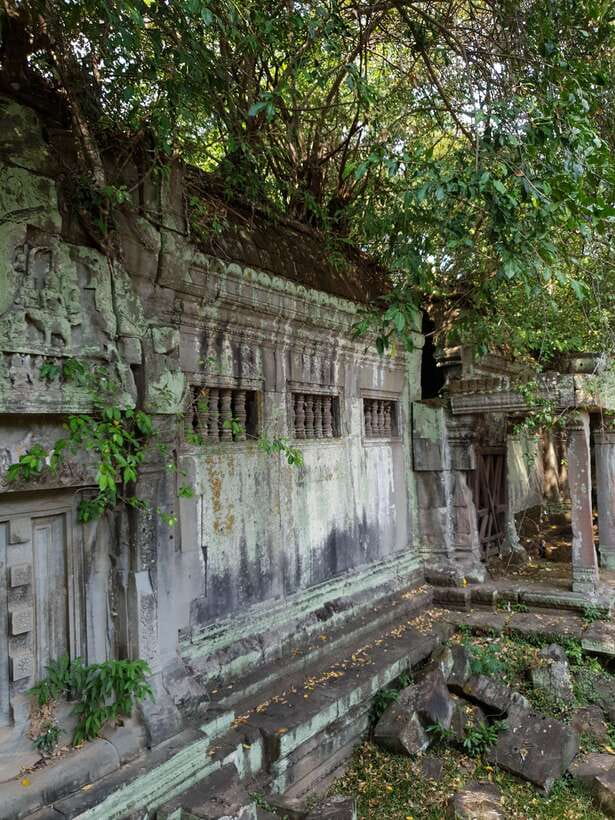
This outing is less polished and less predictable than a main Angkor circuit. That is part of its appeal. Beng Mealea has a rougher, more overgrown character, while Koh Ker feels more remote and spread out.
You also get fewer crowds than at the best-known Angkor monuments. That can make it easier to look carefully at the stonework and hear your guide. It also means you should be ready for less formal paths, longer drives, and fewer familiar tourist services.
The day does not replace Angkor Wat. It adds another side of Cambodia. If this is your first and only day in Siem Reap, you may want the classic Angkor temples first. If you already have time at Angkor, this tour makes a strong second-day choice.
Should you book this tour?
Book it if you want quiet temple ruins, a dramatic pyramid, and a Tonle Sap boat trip in one long day. It is especially well suited to you if you like asking questions, taking photographs, and seeing places that feel less crowded than the main Angkor route.
Think twice if you dislike long road transfers, steep steps, extra entrance fees, or a schedule that runs from morning into early evening. The floating village can also look different in the dry season, when low and unclear water may reduce the classic floating-village image.
For the right person, the variety is the reason to go. You begin among jungle-covered ruins, climb above the Koh Ker forest, and finish by boat among lake communities. Add the guide, hotel transport, and air-conditioned vehicle, and the $65 base price offers useful value, provided you budget honestly for tickets, lunch, and the boat.
FAQ
How long does the tour last?
The experience lasts one full day. A previous schedule ran from about 8:00 in the morning until 6:30 in the evening, though exact times can vary.
What places does the tour visit?
It visits Beng Mealea Temple, Koh Ker with Prasat Thom, and Kompong Khleang Floating Village on Tonle Sap Lake.
Is hotel pickup included?
Yes. Pickup and drop-off are included from hotels or guesthouses in Siem Reap. If you stay outside the main city area or at a private residence, provide your exact address or a meeting point in advance.
Is a tour guide included?
Yes. The tour includes a licensed English-speaking guide. Guides associated with previous outings include Rum Dara and Rann Dara, but your assigned guide may be different.
Are meals included?
No. Meals are not included. The schedule allows time for lunch, and you should bring cash to pay for it.
How much is Koh Ker admission?
Koh Ker costs $15 per adult, and this fee is not included in the $65 tour price.
Is the floating village boat fee included?
No. Kompong Khleang costs $20 per person, and this fee is not included.
What should I bring?
Bring comfortable shoes, comfortable clothing, sunscreen, insect repellent, a camera, cash, and hand sanitizer or tissues. Dress properly for the sacred temple sites.
Fresh reviews from around Siem Reap
- Full-Day Tour Preah Vihea & Koh Ker Temple 3.7 · 3 reviews
- Savor the Countryside: Tours with Authentic Cooking Classes” 5.0 · 3 reviews
- Angkor Wat Sunrise TukTuk Tour 5.0 · 3 reviews
- Angkor Grand Circuit Tour & Banteay Srei 5.0 · 3 reviews
- Guided Private Tuk Tuk Tour Angkor Wat and Small Circle and Five Extras 5.0 · 3 reviews
- Siem Reap Temple Tour 2-Day with Sunrise/Sunset 3.7 · 3 reviews
- Bangkok to Angkor Wat 2 Days 1 Night by Flight 4.5 · 3 reviews
- Kompong Pluk Tour 5.0 · 3 reviews
Beng Mealea & Koh Ker Tours, compared.
Kulen Mountain with Beng Mealea and Tonle Sap Small Group Tour
Read our review →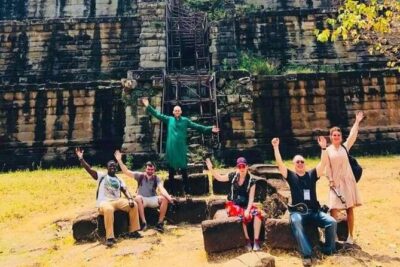
Browse the lists this tour appears in