
Reviewed · ELEPHANT SANCTUARY VISITS
Elephant Sanctuary Cambodia, Pickup and drop off included
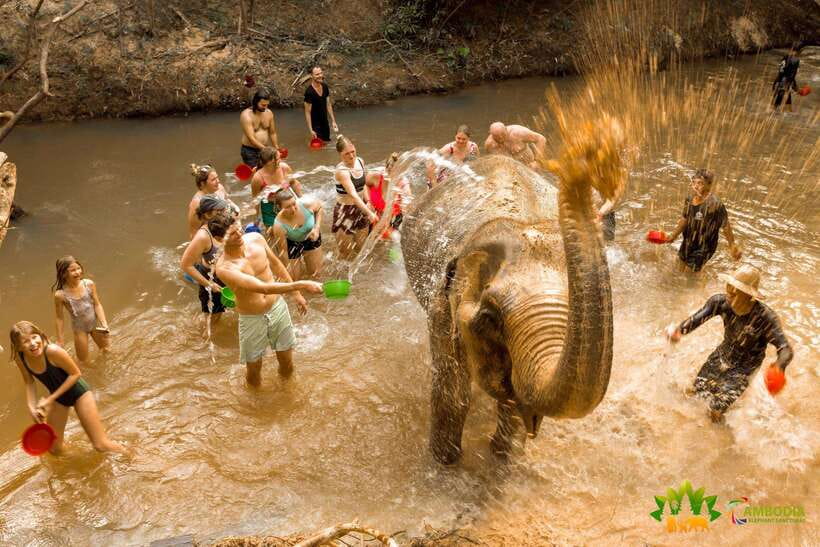
The best part of this Siem Reap outing is the chance to watch rescued elephants behave like elephants, not perform tricks. You help prepare their food, feed them by hand, spread mud on their skin, and wash them near the river under staff guidance.
I like the small-group feel and the chance to learn each elephant’s personality. I also like that the visit includes hotel pickup, an air-conditioned ride, fruit, coffee, and water, so you can focus on the animals rather than sorting out transport.
The main consideration is time. The round-trip drive takes about two hours, leaving roughly an hour for the sanctuary activities within the three-hour schedule. You should also expect to get wet and muddy, and the full price may feel high if you are seeking a longer visit.
In This Review
- Key points at a glance
- Meeting rescued elephants outside Siem Reap
- A small group and three very different personalities
- Mixing bananas, rice, and grain for feeding time
- The mud bath is playful but practical
- Washing elephants beside the river
- Quiet observation after the active sessions
- Fruit, coffee, and the ride back to Siem Reap
- Is $58 a fair price?
- What to wear and bring
- Who will enjoy this sanctuary visit?
- Should you book the Cambodian Elephant Sanctuary?
- FAQ
- Where is the elephant sanctuary located?
- How long does the activity last?
- What activities are included?
- Is hotel pickup included?
- What language does the guide speak?
- Should I bring a swimsuit and water shoes?
- How much does the experience cost?
Key points at a glance
- Prepare handmade elephant snacks: Mix bananas, rice, and grain while learning why the food supports elephant digestion.
- Meet three rescued elephants: The sanctuary’s small resident group has included Homey, Pom Pom, and a younger, cheeky elephant.
- Join the mud bath: Apply mud to the elephants’ skin, where it helps protect them from sun and insects.
- Wash them by the river: Bring a swimsuit and water shoes if you want to take part comfortably.
- Ride one hour each way: Hotel pickup and drop-off from Siem Reap make the trip simple, but the drive takes a sizable share of the outing.
- Book with flexibility: The activity costs $58 per person, allows cancellation up to 24 hours ahead, and offers reserve-now, pay-later booking.
Meeting rescued elephants outside Siem Reap
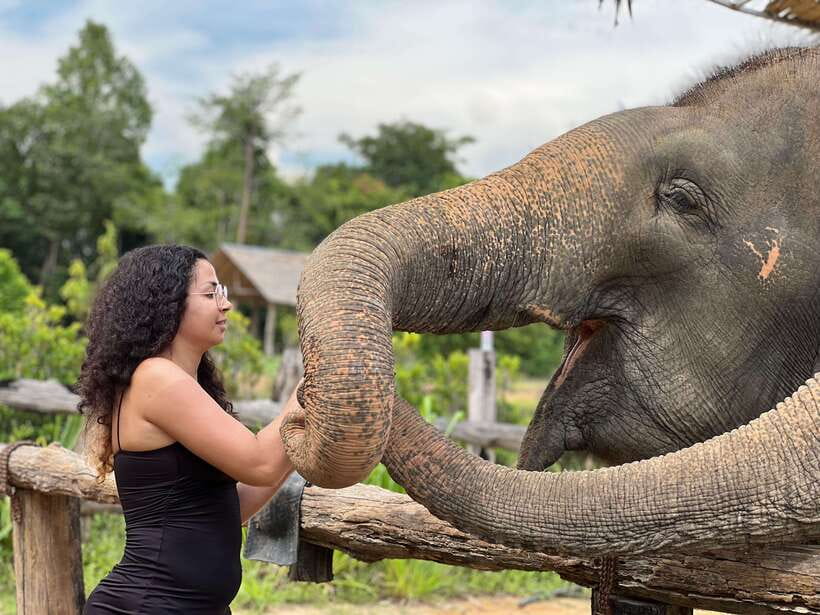
This is a hands-on elephant visit in Siem Reap Province, not a sightseeing stop where you simply take a few pictures and leave. The focus is on feeding, bathing, observing, and learning about the elephants in a natural setting.
Your day begins with pickup from your hotel in Siem Reap. You meet your driver in the hotel lobby and settle into an air-conditioned minivan for the trip into the countryside. The drive takes about one hour each way, giving you a look at rural Cambodia beyond the temples and central Siem Reap.
That journey matters when you plan your day. The advertised duration is three hours, including transportation, so this is best treated as a short sanctuary visit rather than a full-day program. If you have a tightly packed Angkor schedule, check the start time carefully before booking.
The sanctuary introduces you to rescued elephants, their past lives, daily routines, and the work involved in caring for them. The stated mission is to protect and care for the animals in a natural and ethical setting. Staff control the contact, and the activities are presented as guided care rather than circus-style entertainment.
That distinction is important. You are not being promised elephant rides or performances. Instead, you watch the animals interact, feed them, and take part in basic care while the guide explains how to behave around them.
More elephant sanctuary visits:
- Cambodia Elephant Sanctuary Include Hotel Transfer Roundtrip
4.3 · 3 reviews - From Siem Reap: Elephant Sanctuary Experience with Transfers
4.9 · 282 reviews - Kulen Elephant Forest Tour with Hotel Pick-up & Drop off
4.9 · 148 reviews
A small group and three very different personalities
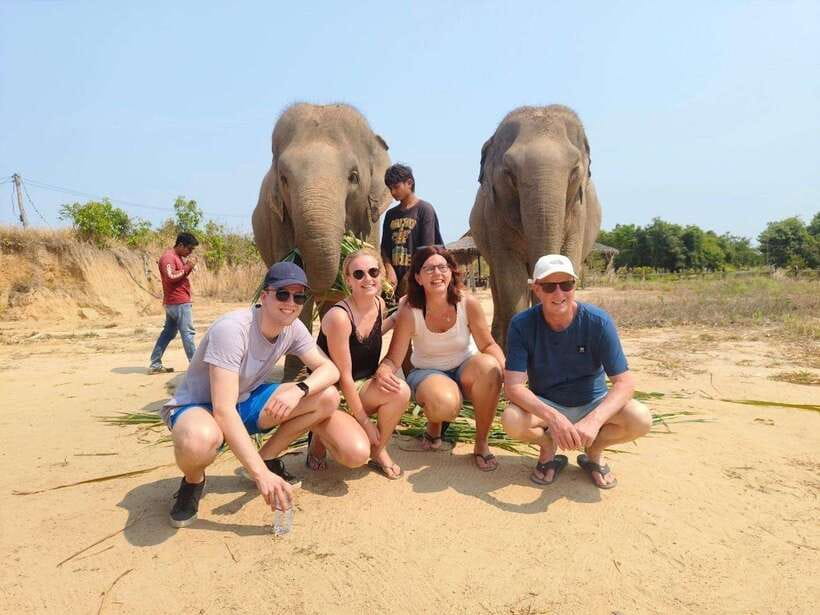
The resident group has included three female elephants. One earlier account identified them as Homey, aged 65, and Pom Pom, aged 28, with a third elephant expected to join soon. The group can change, so do not assume those exact numbers or names will remain the same when you visit.
The small group is one reason the encounter can feel personal. You have time to notice individual habits rather than seeing a large procession of animals moving from one station to another. A younger elephant has been described as especially cheeky, which gives you a hint of the different temperaments you may notice.
Your guide helps you read these differences. An, Anne, and Dina have all led visits, and the strongest part of their role is helping you stay calm and respectful around such large animals. You learn where to stand, how to offer food, and when to give an elephant room.
I especially like that the guide’s job is not just to translate facts. A good guide points out preferences and behavior, so you begin to see the elephants as individuals. That makes the visit more meaningful than a quick photo opportunity.
Still, elephant behavior sets the pace. An animal may wander away, lose interest in food, or choose not to enter the water. That is a good thing from an animal-welfare point of view, but it means the visit cannot guarantee a perfect photograph or a long bathing session with every elephant.
Mixing bananas, rice, and grain for feeding time
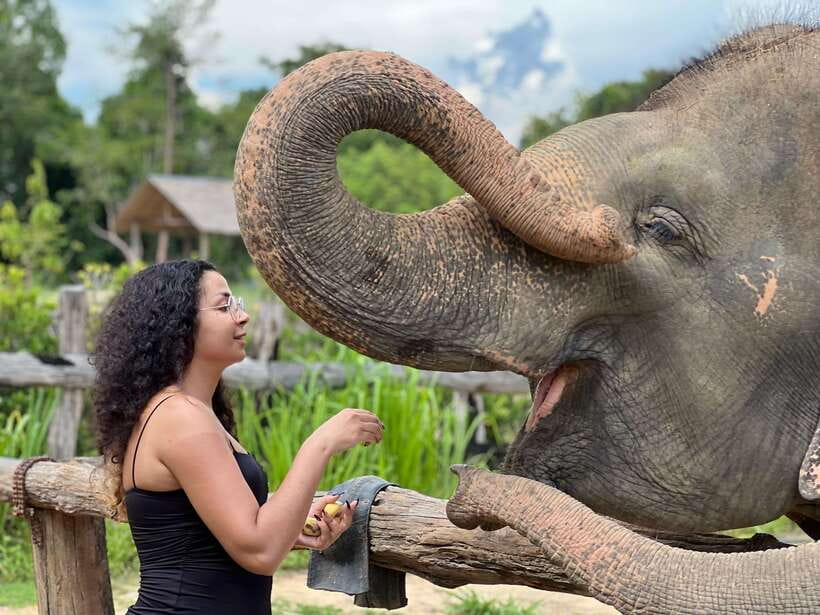
The first hands-on activity is preparing food. You help make a mixture from ingredients such as bananas, rice, and grain, while the guide explains the elephants’ diet and digestive needs.
This simple task gives you useful context. Elephants eat large amounts of plant material, and the food preparation shows that feeding them is more than handing over a few pieces of fruit. You see how the sanctuary uses a special mixture intended to support digestion.
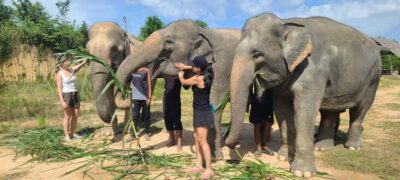
Then you feed the elephants by hand. This is likely to be the most immediate part of the visit because you are close enough to notice the trunk, eyes, skin, and careful movements. The staff show you how to interact safely and respectfully.
Keep your attention on the elephant, not only on your phone. The best moments come from watching how each animal reaches for food, waits, or decides what it wants next. You should have time for photos, but your guide’s instructions take priority.
The animals are powerful, even when gentle. Do not crowd them or treat feeding as a game. Let the staff direct the interaction, and accept that the elephant’s comfort comes before your preferred pose.
The mud bath is playful but practical
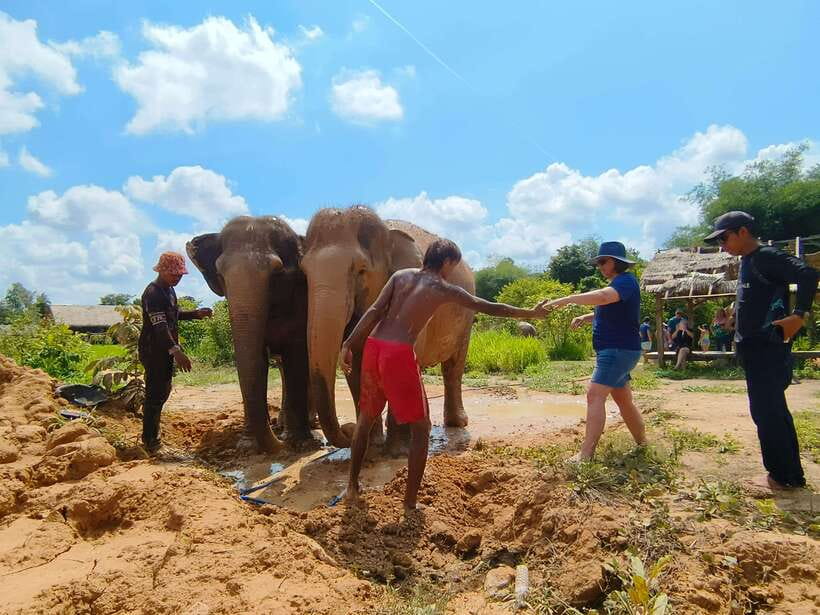
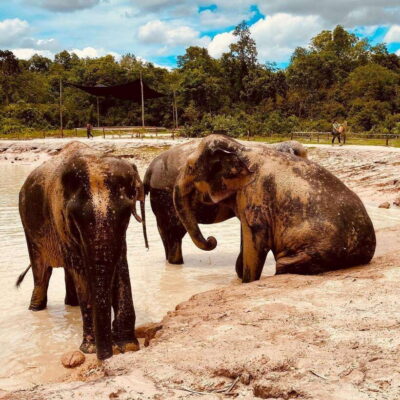
After feeding, you join the elephants for a mud bath. You help apply mud to their skin while the guide explains its practical purpose. Mud helps protect elephants from the sun and insects, so this is part of ordinary animal care, not just a tourist activity.
It is also messy. You may end up with mud on your arms, legs, and clothes, and you should plan accordingly. One useful tip is to wear clothing that can get dirty and bring a change of clothes if you have other plans afterward.
The scene can be funny and gentle at the same time. Elephants splash, relax, and shift around while people try to keep up. You get a close look at natural behavior, but you should not assume the animals will pose or follow a fixed sequence.
The mud bath also changes the tone of the visit. Feeding is a quiet introduction, while the mud session feels more playful. Yet the staff’s approach still matters. The activity should follow the elephant’s mood and movement, not force the animal to entertain the group.
If you dislike mud, this part is easy to observe from the side. The tour description presents participation as part of the experience, but no activity is worth making an elephant uncomfortable or making you miserable. Ask the guide where to stand if you prefer a drier vantage point.
A different pace for your next Cambodia morning:
- Small Group Countryside Sunset Bike Tours
5.0 · 39 reviews - Angkor Wat: Sunrise: Ta Prohm and Bayon Temple Tour
5.0 · 27 reviews - Full-day: Original bamboo train, Wat Banan, Phnom Sampov
5.0 · 15 reviews - Oudong Temples & Phnom Prasith Private Tour from Phnom Penh
5.0 · 11 reviews
Washing elephants beside the river
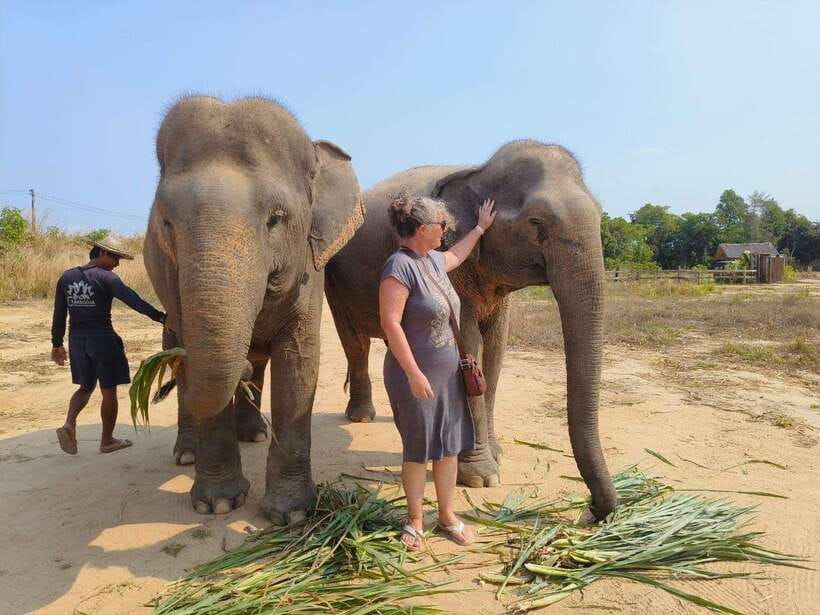
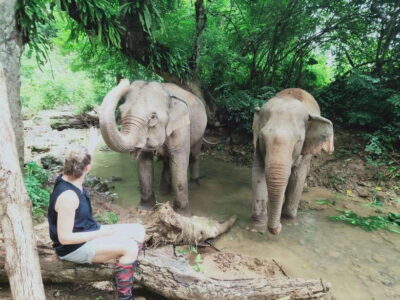
Next, you head to the river or pond for a bathing session. You help rinse off the mud while the elephants cool down and move through the water. This is often the most memorable part for people who want direct contact with the animals.
Bring a bathing suit and water shoes. The advice is practical, especially if you plan to step into the water. You may not get soaked by an elephant, but splashing can happen, and wet footing is part of the setting.
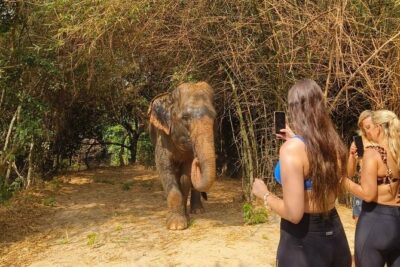
The washing session offers some of the best photo chances because the activity has movement and a clear sense of place. You can photograph the elephants in the water, watch their handlers work, and capture the muddy-to-clean transition.
At the same time, this is where expectations need managing. One account described people splashing one another more than the elephant did. The animals may stay calm and do their own thing, so the river portion is not a guaranteed water fight or a fixed-length performance.
I would keep your camera protected and follow staff directions closely. The most respectful image is one that shows the elephant choosing to take part, rather than one that pushes for closer contact.
Quiet observation after the active sessions
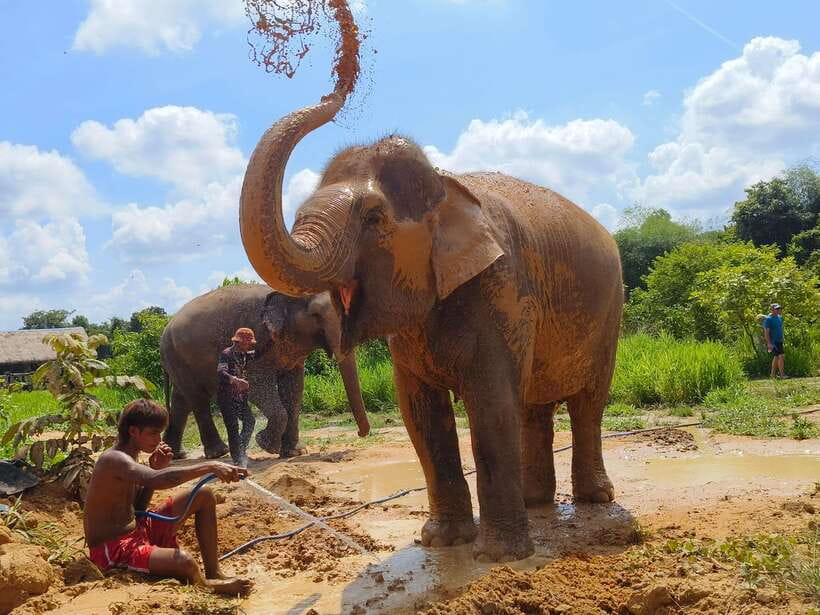
Once feeding and bathing finish, you spend time watching the elephants roam, socialize, and play. This slower period may be the most important part for anyone interested in conservation.
The guide continues to explain behavior and the sanctuary’s work while you observe. You may notice how the elephants respond to each other, how they move when no food is being offered, and how their handlers give them space.
I like this balance. Many animal attractions keep the schedule packed with constant contact, while this visit includes time simply to watch. That gives you a better sense of the elephants’ normal rhythm.
The trade-off is that the schedule is short. With a one-hour drive in each direction and a three-hour total duration, observation time may feel brief. If you want a slow, unhurried sanctuary day, compare this with longer programs before you book.
Fruit, coffee, and the ride back to Siem Reap
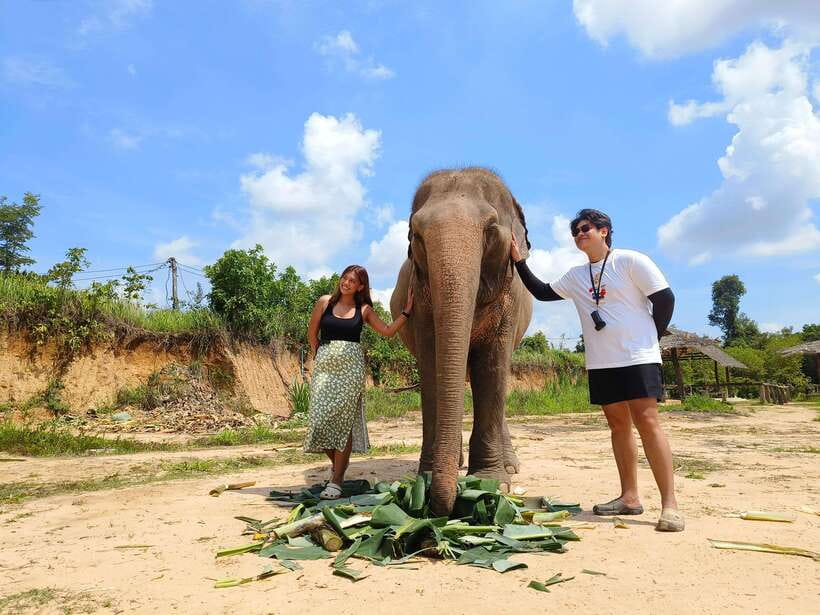
The visit ends with drinking water, coffee, and fresh seasonal fruit. It is a modest touch, but a welcome one after mud, sun, and water. You can take a breath, talk with the guide, and reflect on the experience before returning to the minivan.
Pickup and drop-off are included from Siem Reap hotels, and the air-conditioned vehicle is useful in Cambodia’s heat. You should wait in your hotel lobby and make sure the operator has the correct pickup details.
The English-speaking guide is included, and the activity is offered with live guiding rather than a self-guided visit. Guides such as An, Anne, and Dina have been singled out for their warmth, clear explanations, and ability to help people feel less nervous around the elephants.
The quality of the guide matters here. You are not just being transported to an animal enclosure. You need someone who can explain behavior, manage the group, and make clear when an elephant wants more space.
Is $58 a fair price?
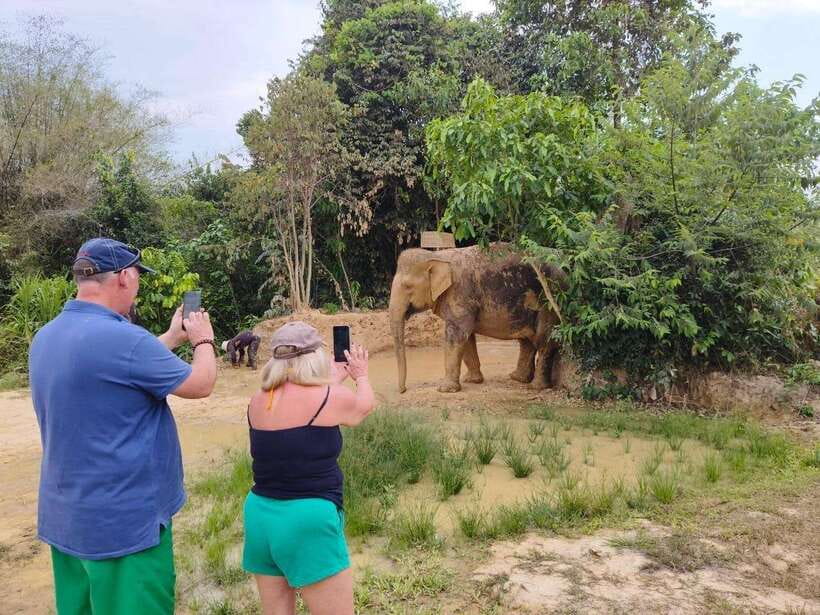
The current price is $58 per person. That covers the guide, hotel transportation, water, coffee, fruit, food preparation, feeding, the mud bath, and the river bathing session.
For a visitor who wants convenient transport and direct participation, I think the price can be reasonable. A private taxi to a rural sanctuary, a guide, and a structured care experience would otherwise require separate planning. The fee also supports the sanctuary’s stated care and protection work.
But value depends on what you want. Since the full outing lasts three hours and about two hours are spent driving, you are paying for a compact encounter. One account considered a $100 full price too expensive, even though that person enjoyed the visit at a discounted $50 rate. At $58, the value is better, but you should still compare duration and contact time with other elephant programs.
I would book this for the convenience and the chance to take part in several activities in one morning or afternoon. I would hesitate if you want a long conservation visit, extensive walking, or several hours of quiet observation.
The booking terms add flexibility. You can cancel up to 24 hours in advance for a full refund, and the reserve-now, pay-later option lets you hold a place without paying immediately. Starting times depend on availability, so check the schedule before arranging temple visits around it.
What to wear and bring
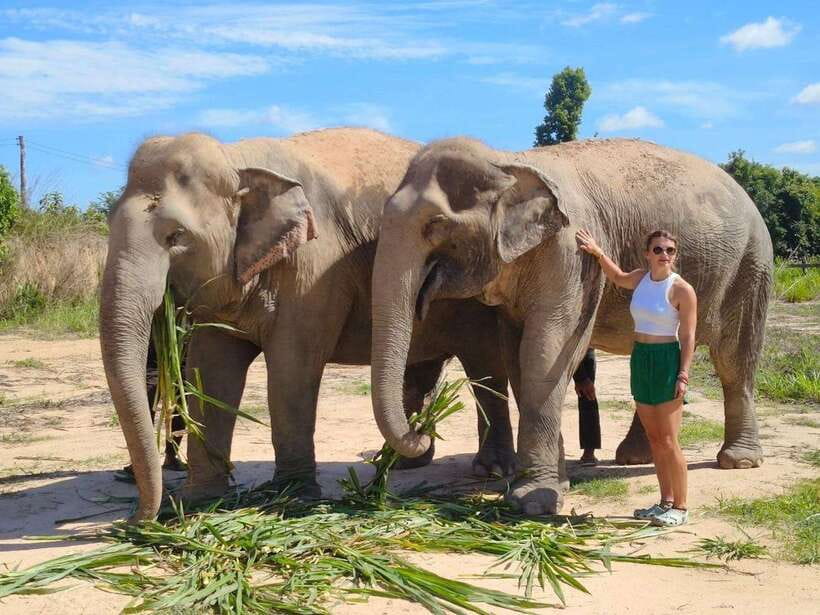
Plan for an active, wet, muddy outing rather than a polished sightseeing trip. The most useful items are:
- Swimsuit or quick-drying clothing
- Water shoes or sturdy footwear suitable for wet ground
- Clothes that can get muddy
- A change of clothes for the ride back or later plans
- Sun protection
- A way to protect your phone or camera from water and mud
Water, coffee, and fruit are included, but you may want to carry anything else you personally need during the drive. The information provided does not specify changing facilities, lockers, or towels, so ask the operator before departure if those details matter to you.
Wear something comfortable for the minivan ride. The countryside transfer takes about an hour, and you will want clothes that work both in the vehicle and around the mud and river.
Who will enjoy this sanctuary visit?
I would recommend it most strongly to you if you want close, guided contact with elephants and do not mind getting dirty. It suits couples, families, and solo visitors who value a personal guide and a clear schedule.
It is also a good choice if you are uneasy around very large animals. A guide such as An helped one visitor feel calm around the elephants, and that kind of reassurance is valuable when a trunk reaches toward your hands or an animal steps into the water beside you.
You may want to skip it if you dislike wet activities, need a completely dry outing, or have only a short window between other bookings. The drive is part of the package, not a minor transfer.
Most important, book it because you want to observe and support elephant care, not because you expect the animals to perform on demand. The strongest ethical feature is the idea that interactions follow the elephants’ behavior and comfort. That approach can produce fewer guaranteed moments, but the moments you do get feel more genuine.
Should you book the Cambodian Elephant Sanctuary?
I would book this experience if you have three hours to spare, want hotel transport from Siem Reap, and hope to feed and bathe rescued elephants under staff supervision. The combination of food preparation, mud care, river washing, and quiet observation gives you more substance than a quick elephant photo stop.
I would compare alternatives if $58 feels steep for a short visit or if you want a longer conservation program. Before paying, check the exact pickup time, the current elephant group, and how much time is planned on site.
For most people who accept the muddy clothes and the long transfer, this is a warm, memorable way to meet elephants while supporting their care. Just keep your expectations animal-first: the elephants set the pace, and that is precisely what makes the visit worthwhile.
FAQ
Where is the elephant sanctuary located?
The sanctuary is in Siem Reap Province, Cambodia. Pickup and drop-off are provided from hotels in Siem Reap.
How long does the activity last?
The experience lasts three hours. The journey from Siem Reap to the sanctuary takes about one hour by air-conditioned minivan.
What activities are included?
You prepare handmade food, feed the elephants, help apply mud to their skin, wash them by the river or pond, observe their behavior, and finish with fruit, water, and coffee.
Is hotel pickup included?
Yes. Pickup and drop-off are included, and you should wait for the team in your hotel lobby.
What language does the guide speak?
The live guide speaks English.
Should I bring a swimsuit and water shoes?
Yes. Water shoes and a swimsuit are useful if you plan to join the river bathing session. You should also expect to get muddy.
How much does the experience cost?
The listed price is $58 per person. The activity also offers reserve-now, pay-later booking and free cancellation up to 24 hours in advance for a full refund.
Fresh reviews from around Cambodia
- Full-Day Tour Preah Vihea & Koh Ker Temple 3.7 · 3 reviews
- Siem Reap: Angkor Sunrise Private Tour – World Heritage Site 5.0 · 3 reviews
- Kulen Mountain Waterfall Tour 4.0 · 3 reviews
- Cambodia Elephant Sanctuary Include Hotel Transfer Roundtrip 4.3 · 3 reviews
- SiemReap Sunset Dinner Riding an Ox-Cart at Rice Paddy Field 5.0 · 3 reviews
- Phnom Penh: Morning Foodie, Market Walking & Street Art Tour 5.0 · 3 reviews
- Private Angkor Sunrise, Guide Breakfast and Tuktuk included 3.9 · 3 reviews
- Trusty Tuk Tuk 5.0 · 4 reviews
Elephant Sanctuary Visits, compared.
Kulen Elephant Forest Tour with Hotel Pick-up & Drop off
Read our review →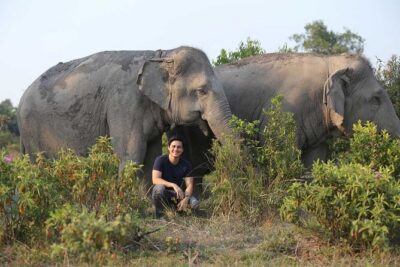
Wildlife Expedition: Elephant Sanctuary, Kbal Spean Banteay Srei
Read our review →Browse the lists this tour appears in